Mestre & Marghera: Venice Beyond the Canals
Everyone knows the postcard version of Venice: gondolas on turquoise canals, marble palaces rising from the lagoon, San Marco shimmering at sunset.
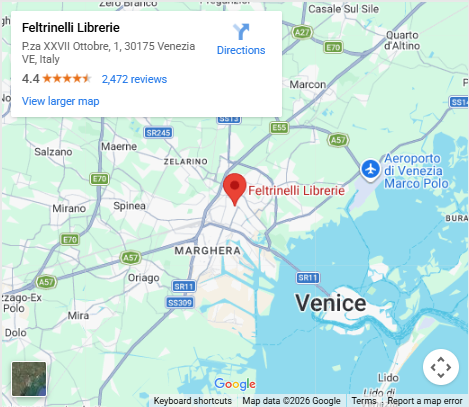
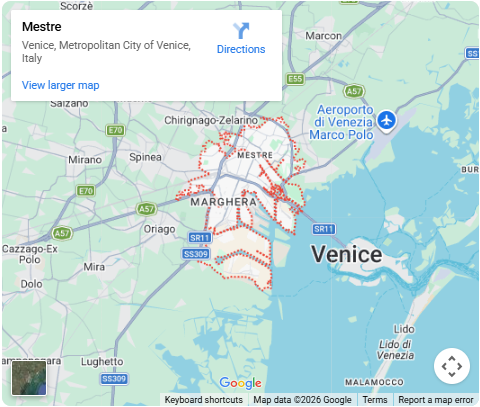
But Venice has always had two faces — the historic islands and the mainland districts of Mestre and Marghera. Together, they form one metropolitan story. For those seeking affordable accommodation near Venice, the mainland offers excellent options.
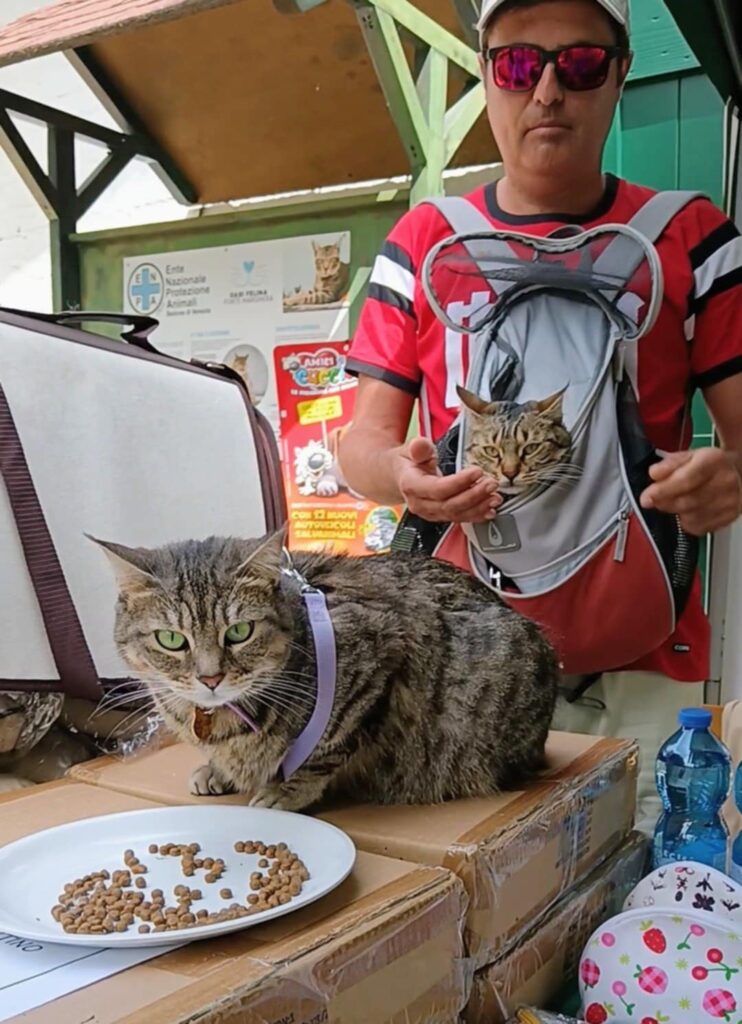
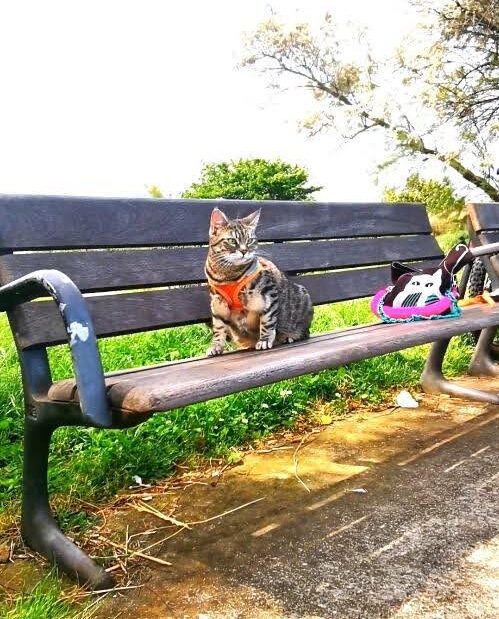
Planning a trip with your feline companion? Discover more about cat-friendly Venice and its surrounding areas.
The Historic Center: Beauty & Density
In the historic center, time moves differently. Alleyways curve unpredictably, cafés cluster along narrow campi, and the rhythm of the lagoon shapes daily life.
This is where Venice’s architectural grandeur dominates — Dorsoduro’s quiet canals, San Marco’s spectacle, and centuries of maritime power visible in every carved façade.
For visitors traveling with a cat, the islands require careful planning: limited green space, high foot traffic, and dense accommodation clusters make location choice essential. Our guide to booking accommodation in Venice can help you find the right base.
Mestre: Space, Parks & Practical Living
Cross the Ponte della Libertà and the atmosphere changes.
Mestre offers something the islands cannot: space.
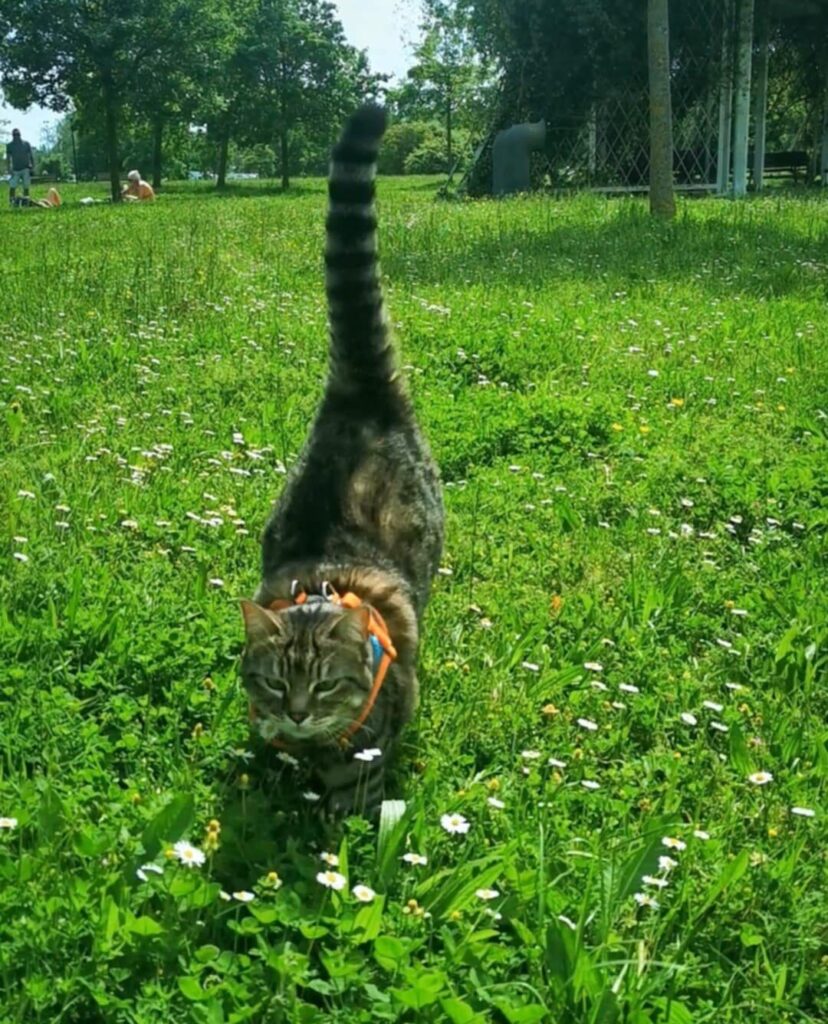
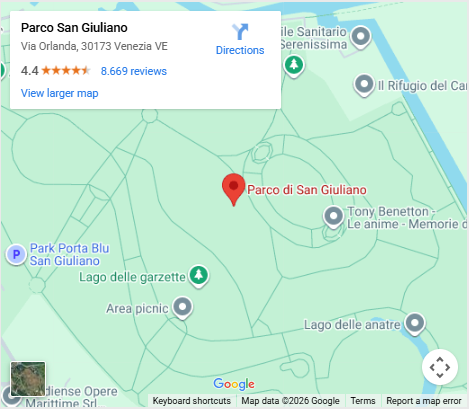
At Parco San Giuliano (official municipality page), one of the largest urban parks in Europe, wide lawns stretch toward lagoon views of Venice’s skyline. It is one of the few areas in the greater Venice area where open green space feels expansive rather than improvised.
For cat-aware travelers, Mestre can offer practical advantages:
- Larger apartments
- Easier access by car
- Affordable accommodation near Venice
- Proximity to veterinary services and everyday amenities
Marghera & Forte Marghera: Industrial Past, Cultural Present
Marghera, historically industrial, is evolving.
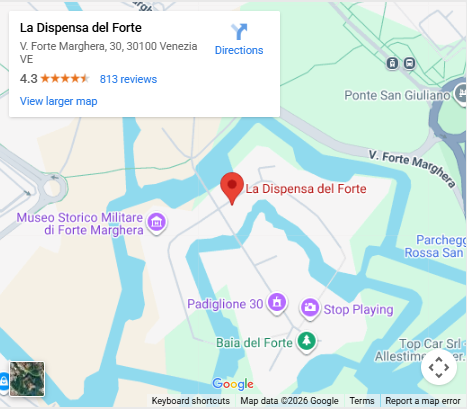
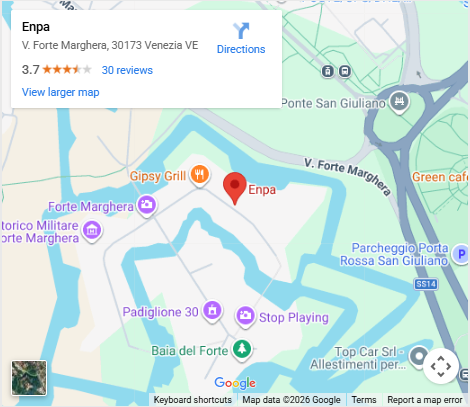
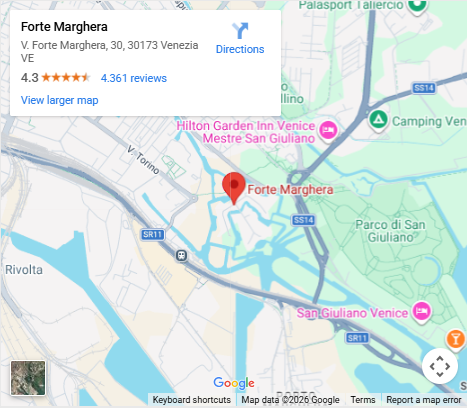
At Forte Marghera (official cultural site), former military structures now host cultural events, exhibitions, and open-air gatherings beneath restored brick arches. The blend of history and reuse reflects a broader transformation taking place across mainland Venice.
Nearby, community-driven initiatives and local organizations — including feline welfare groups — highlight a more residential, lived-in Venice that contrasts with the island tourism economy.
Piazza Ferretto & Local Rhythm
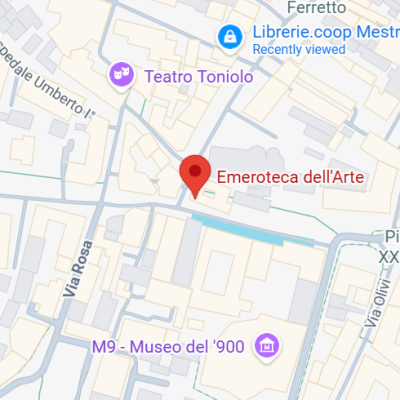
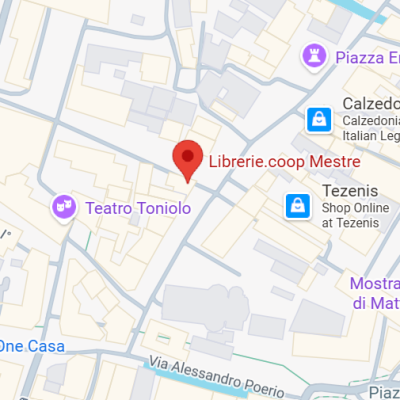
In Mestre’s central Piazza Ferretto, daily life unfolds at a more measured pace. Aperitivo culture feels less performative than along the Rialto. Prices are generally lower, and the clientele more local.
This is Venice without the theatrical overlay — a functioning city rather than a permanent stage set.
Islands or Mainland?
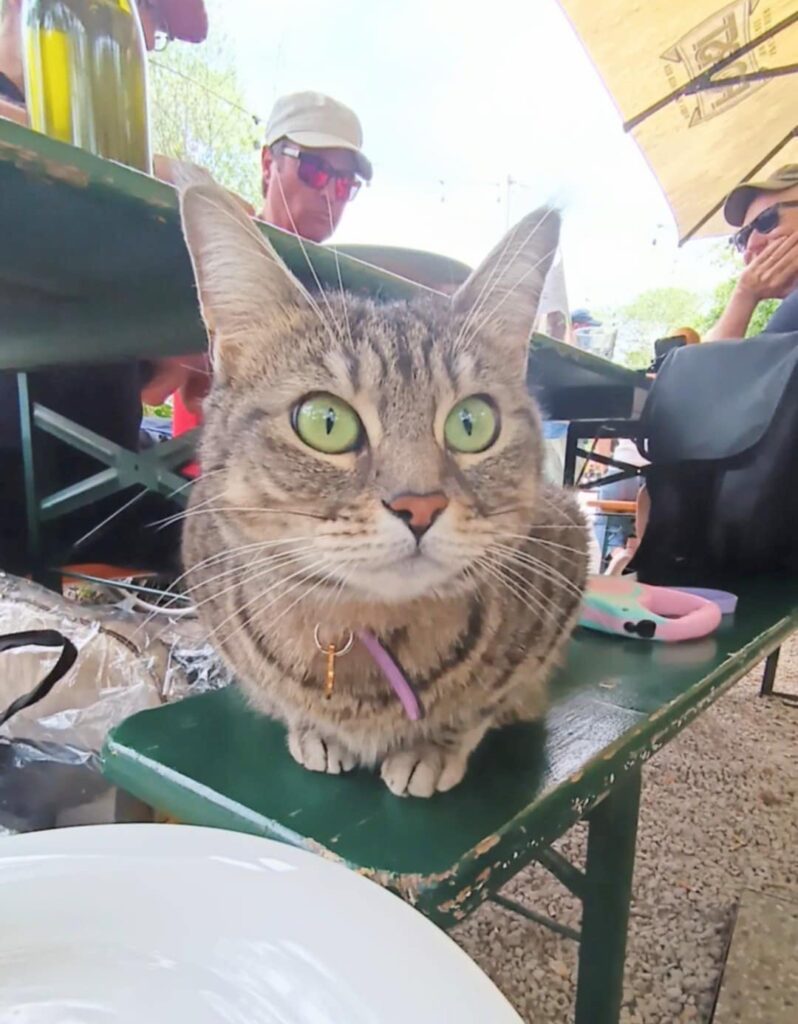
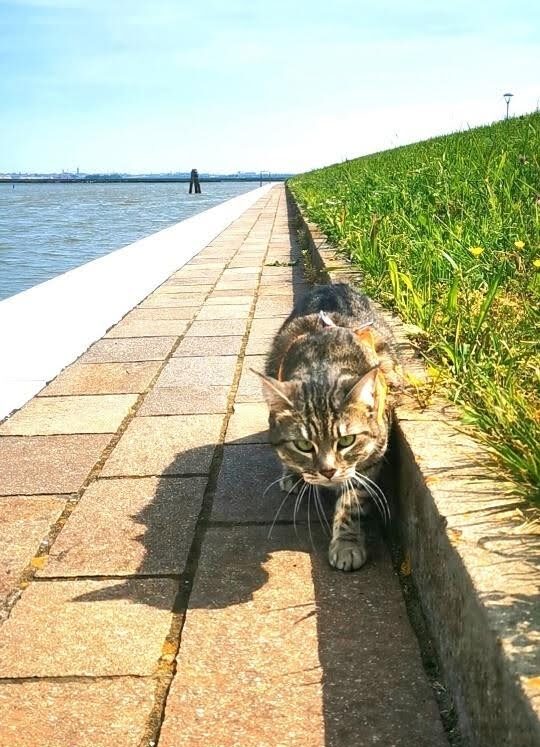
Gigia’s verdict after exploring both?
The islands offer beauty, density, and atmosphere that is unmatched anywhere in the world.
But Mestre offers breathing room.
For travelers prioritizing:
- Budget-friendly stays
- Larger accommodation
- Green space access
- A quieter base with fast train connections into Venice
Mestre can be a strategic choice — especially during peak seasons such as Carnevale or summer.
Venice is not only canals and palazzi. It is also parks, piazzas, fortresses, and neighborhoods where everyday life continues beyond the postcard frame.
Exploring Further
After exploring the mainland, see our Venice Bacari Guide for traditional cicchetti inside the historic center.
For broader regional context, explore our Veneto Region guide to understand how Venice connects to Treviso, the Prosecco hills, and surrounding mainland towns.