
Venice Bacari Guide: Cicchetti, Wine Bars & Local Venetian Rituals
Venice is often reduced to crowded canals, gondolas, and overpriced tourist menus. Yet beyond the fixed-price lunches and inflated spritzes, another Venice still survives — one shaped by marble counters, handwritten wine lists, neighborhood rituals, and centuries-old bacari culture.
This is the Venice of cicchetti: small seasonal bites served beside an ombra of wine, consumed standing at narrow counters or drifting between wine bars hidden inside quiet calli.
It is a tradition rooted less in spectacle than repetition:
- fishermen stopping in after the market
- students debating politics over crostini
- construction workers sharing midday wine
- bartenders greeting regulars without needing to ask their order
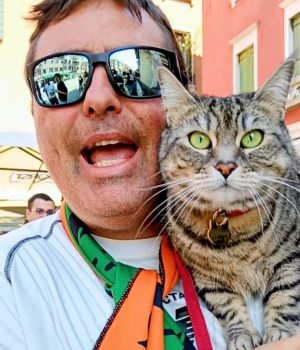
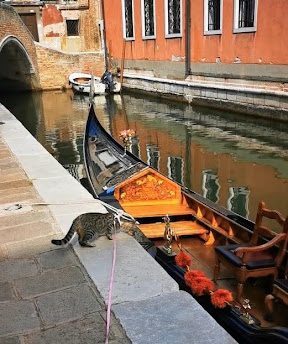
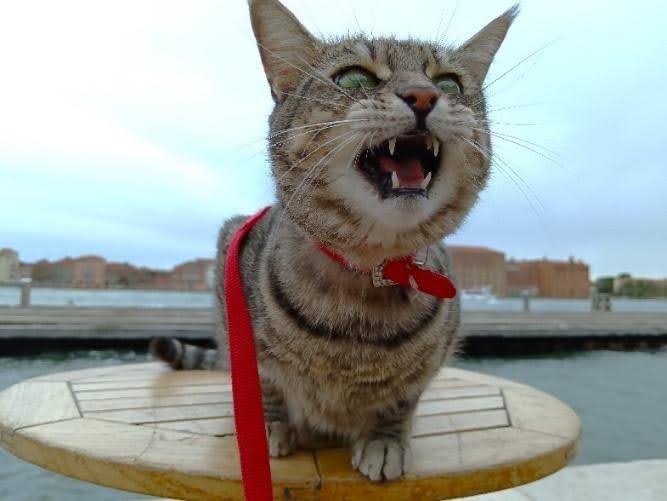
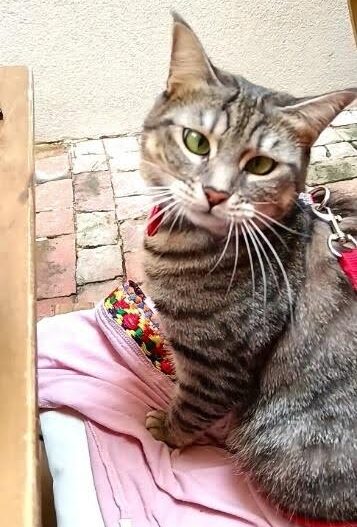
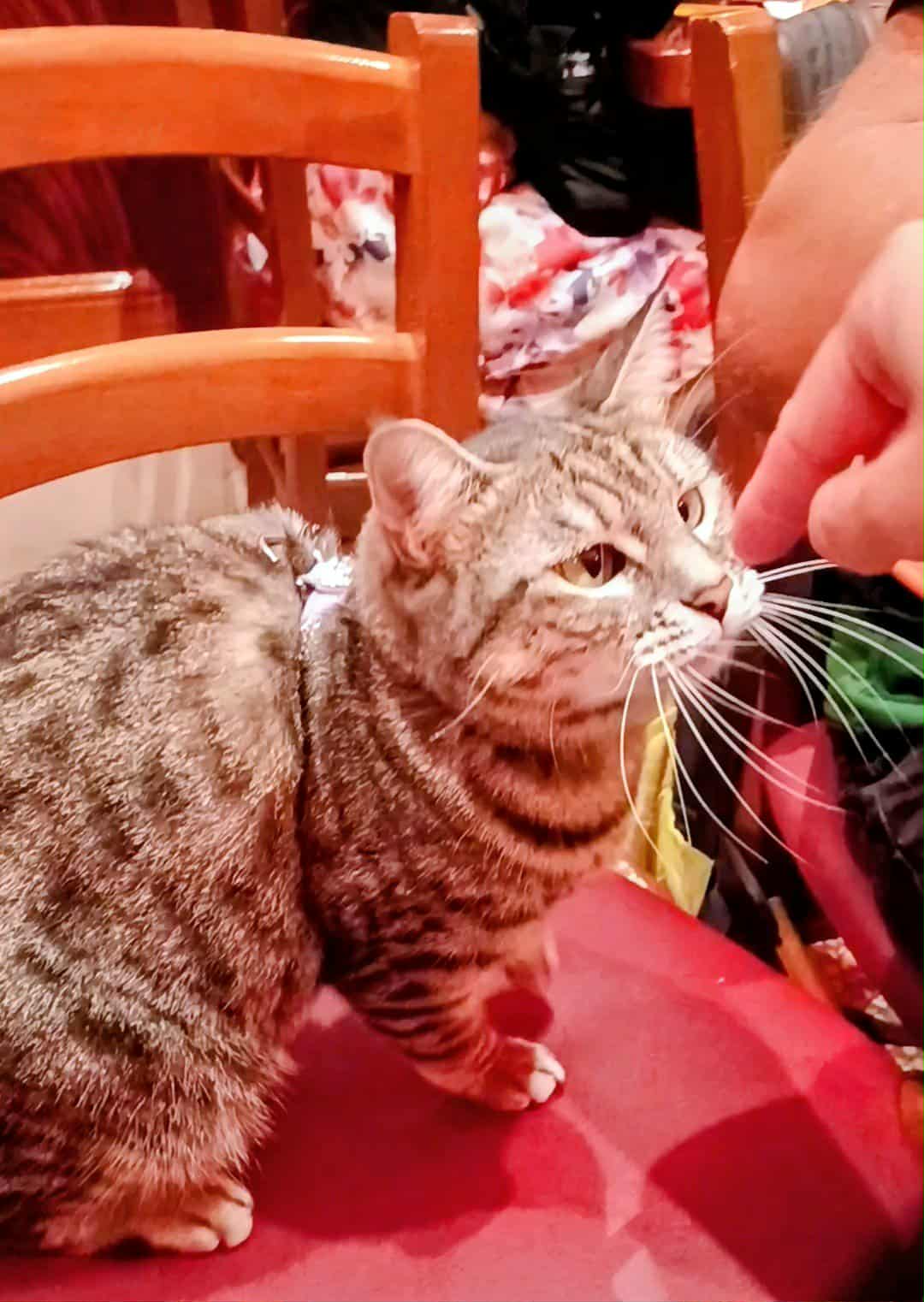
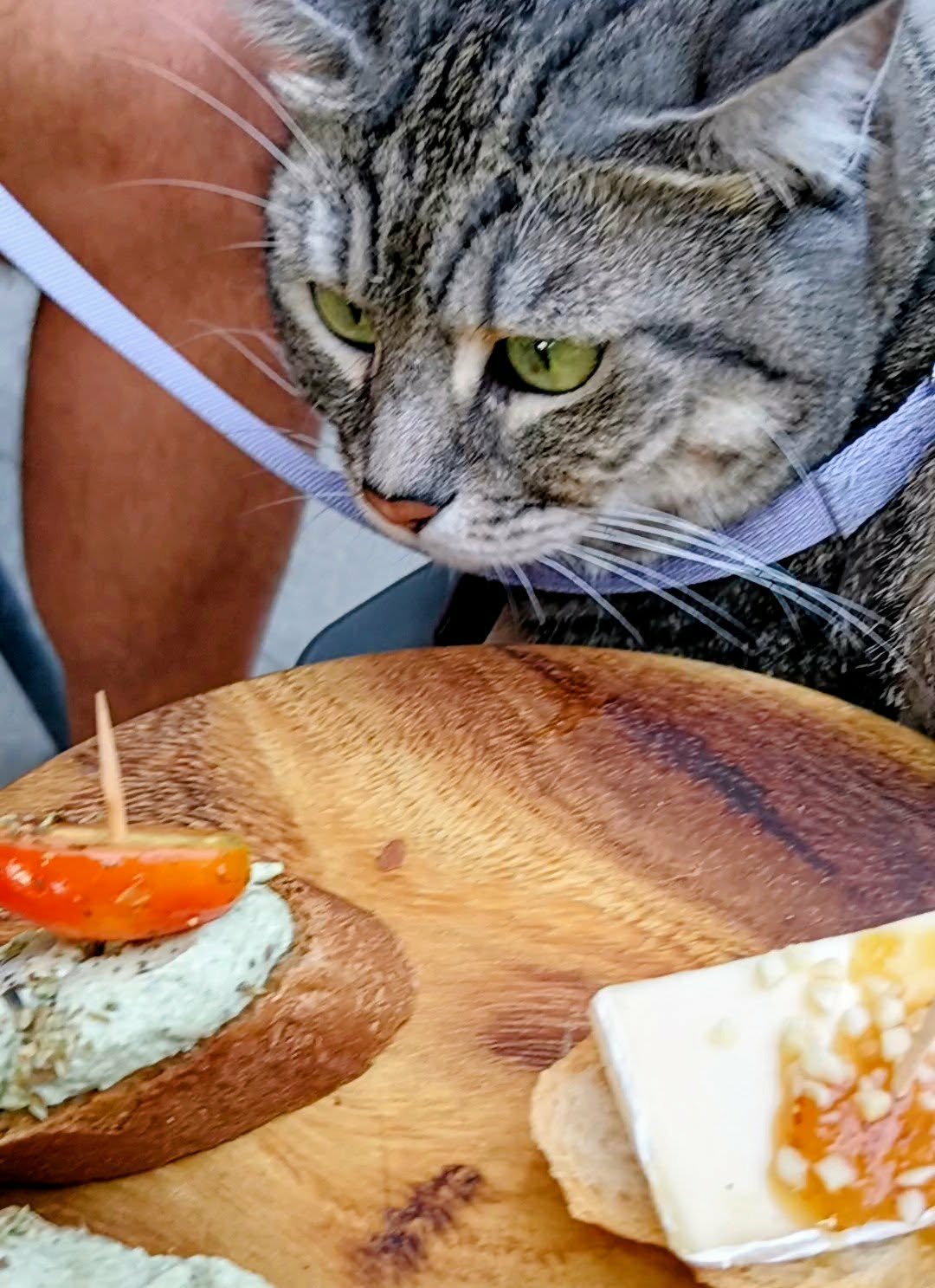
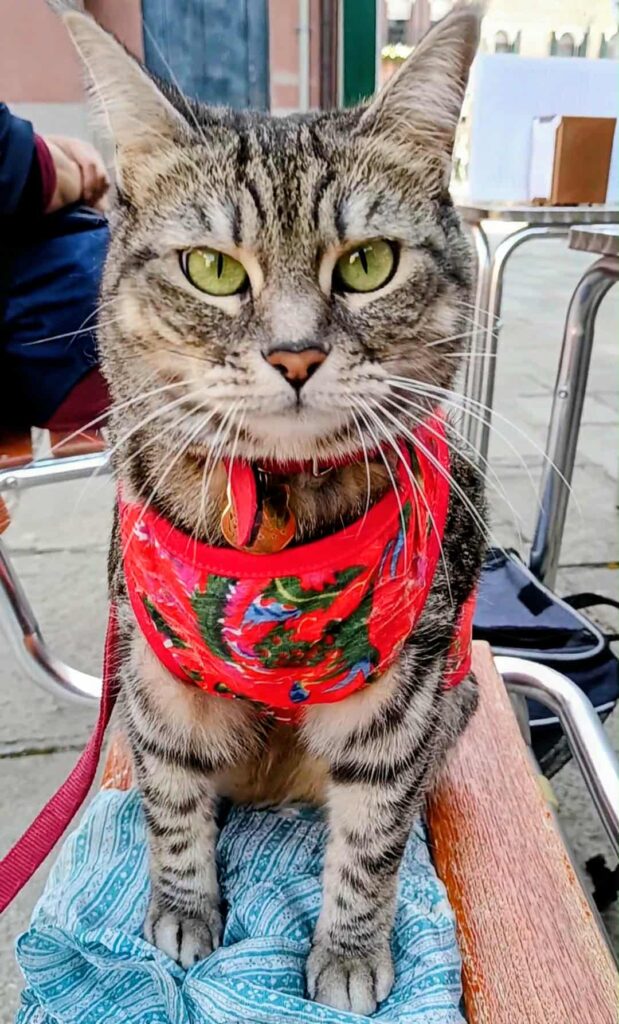
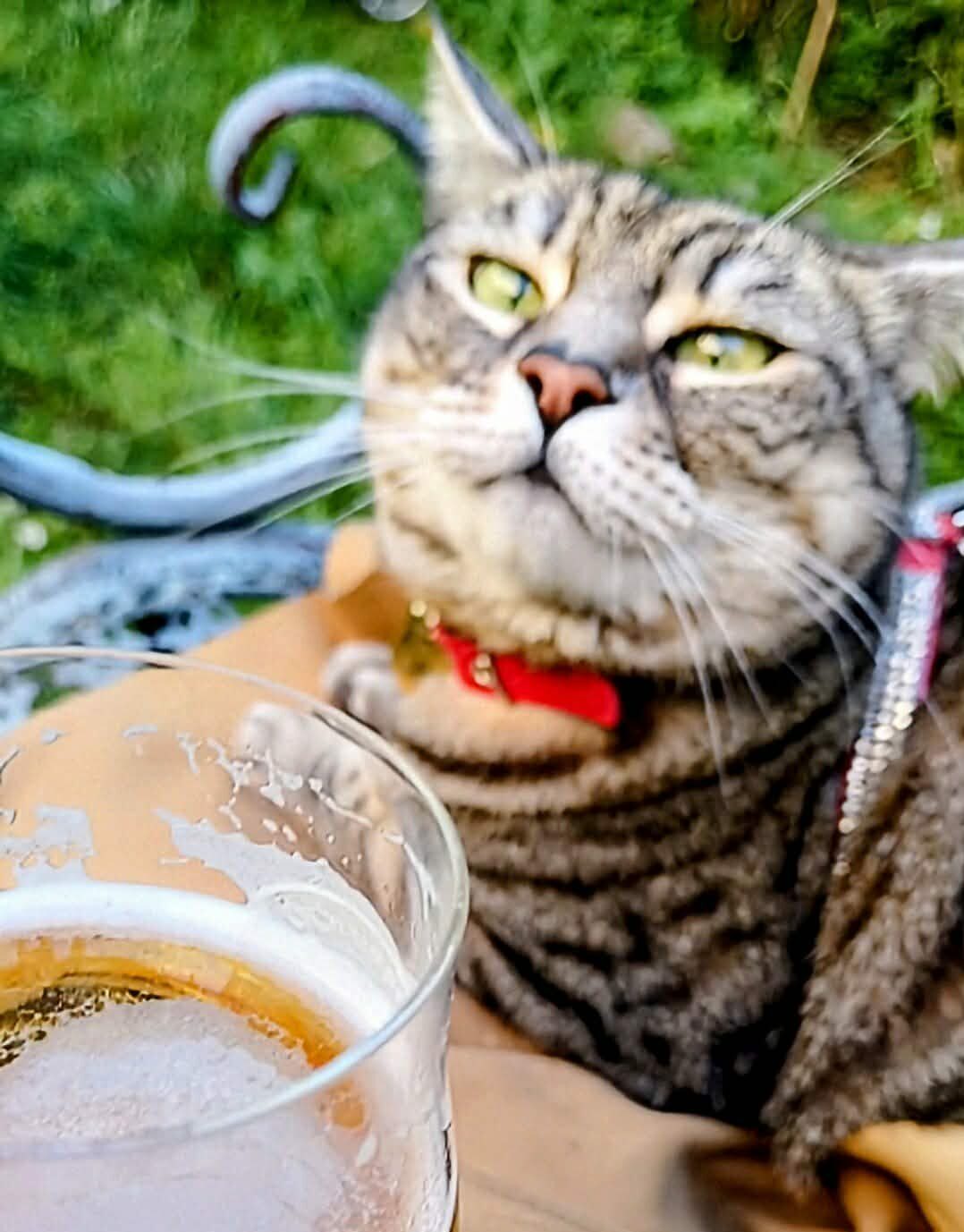
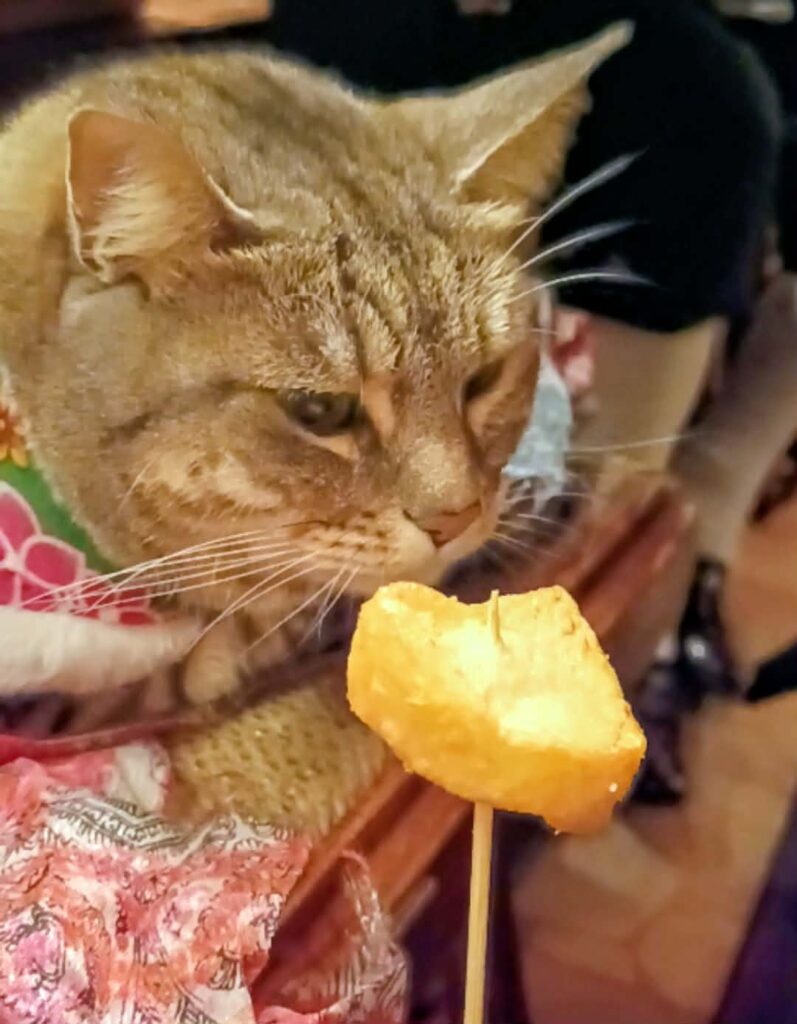
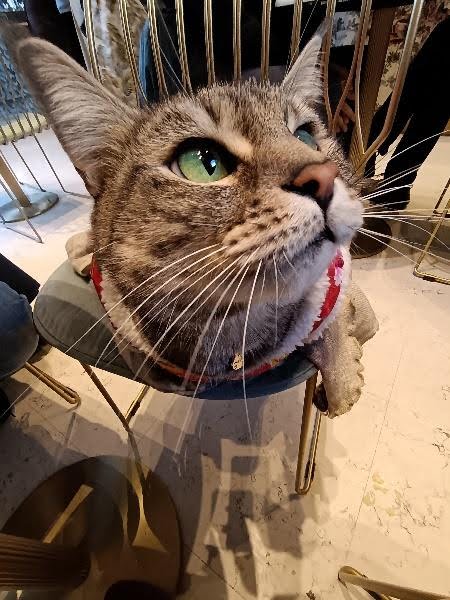
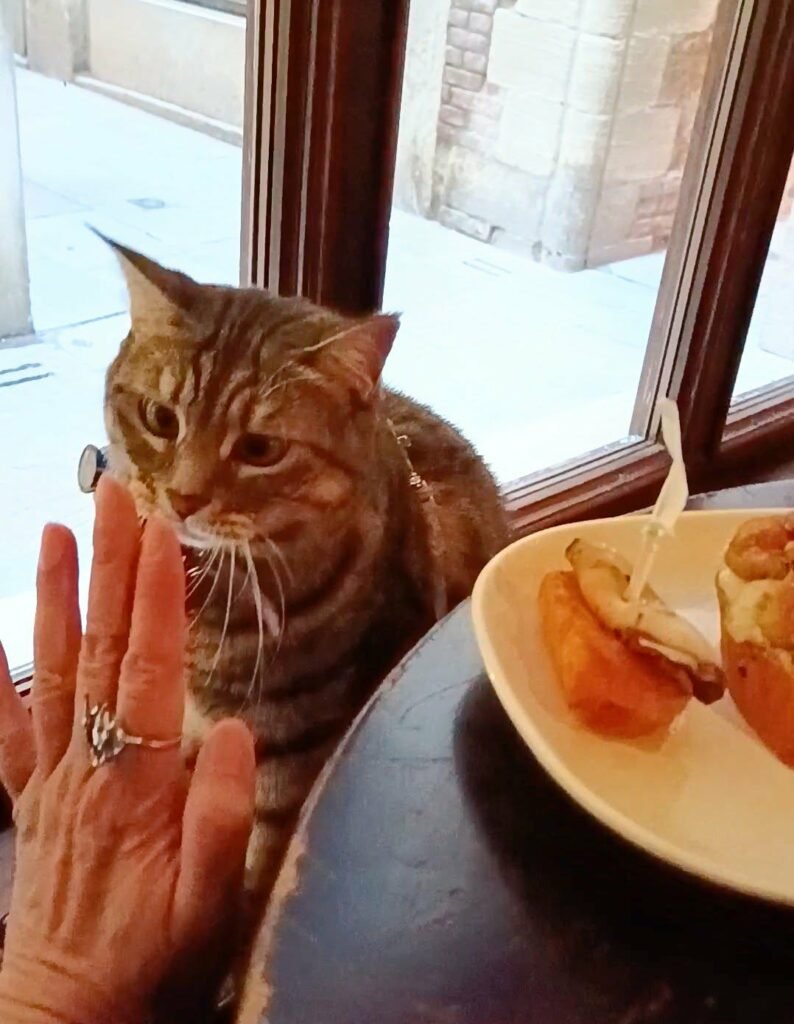
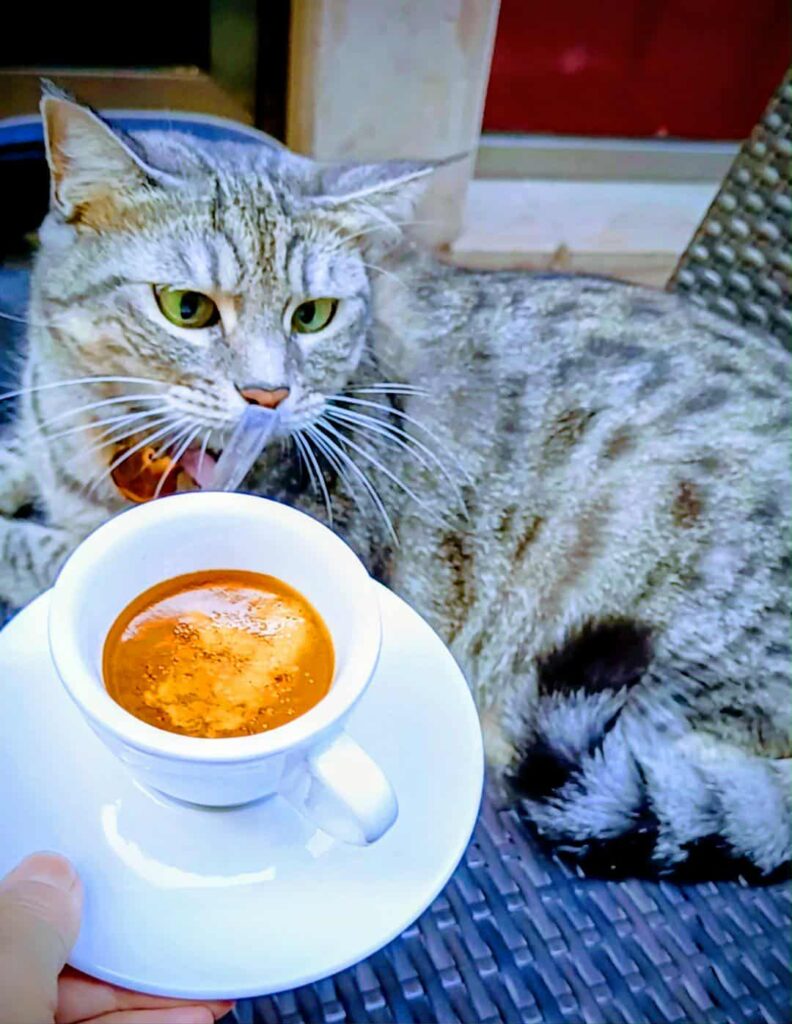
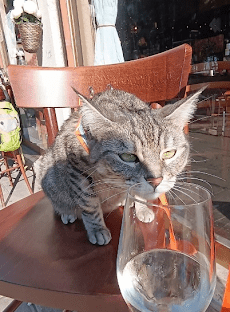
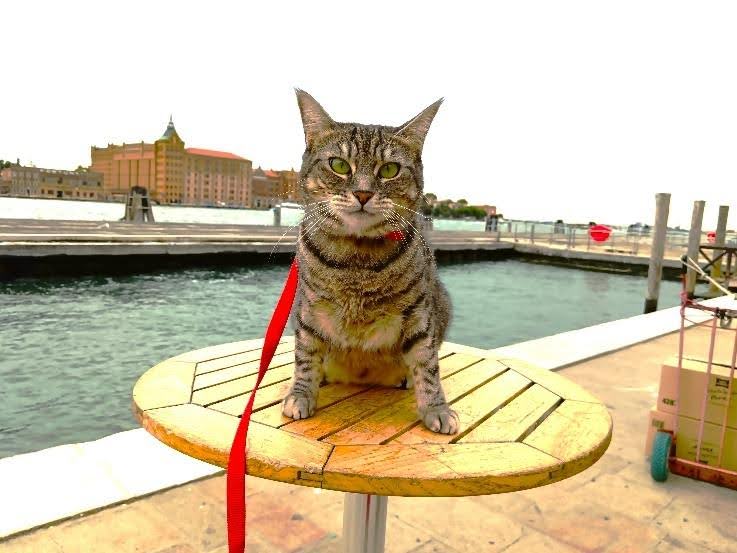
🐾 Gigia experienced this side of Venice firsthand, wandering through historic sestieri where hospitality still feels local rather than performative.
🍷 What Is a Bacaro?
A bacaro is Venice’s traditional wine bar — informal, compact, and deeply woven into the city’s social fabric.
Unlike formal restaurants, bacari are designed for movement:
- one cicchetto
- one small glass of wine
- then onward to the next stop
This rhythm — known informally as the bacari crawl — remains one of the most authentic ways to experience Venice beyond the postcard version.
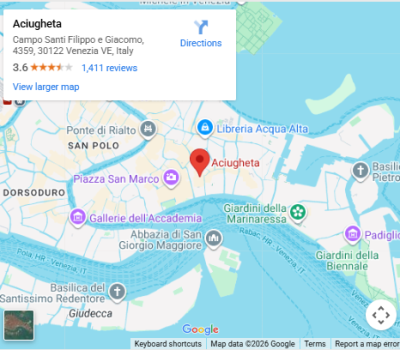
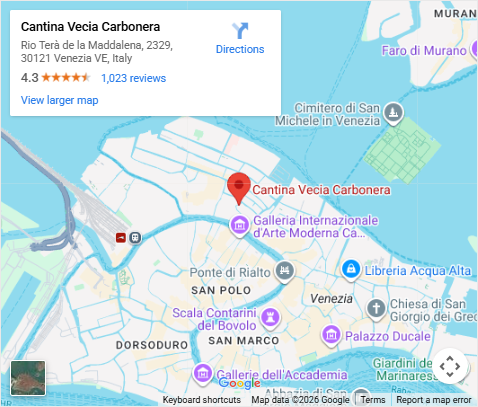
Across neighborhoods such as San Polo, Cannaregio, Castello, and Dorsoduro, cicchetti culture still survives despite growing tourism pressure.
Typical offerings include:
- marinated seafood
- baccalà mantecato
- fried vegetables
- small panini
- anchovy crostini
- seasonal lagoon specialties
Gigia approached these counters with serious professional interest.
🏛️ Historic Bacari Worth Seeking Out
Some bacari preserve culinary traditions stretching back centuries.
All’Arco
Known for carefully assembled seasonal cicchetti and fresh seafood combinations.
Cantina Do Mori
Often considered one of Venice’s oldest bacari, famous for tiny panini known as francobolli.
Cantina Do Spade
Dating to the 15th century, valued for continuity, simplicity, and old Venetian atmosphere.
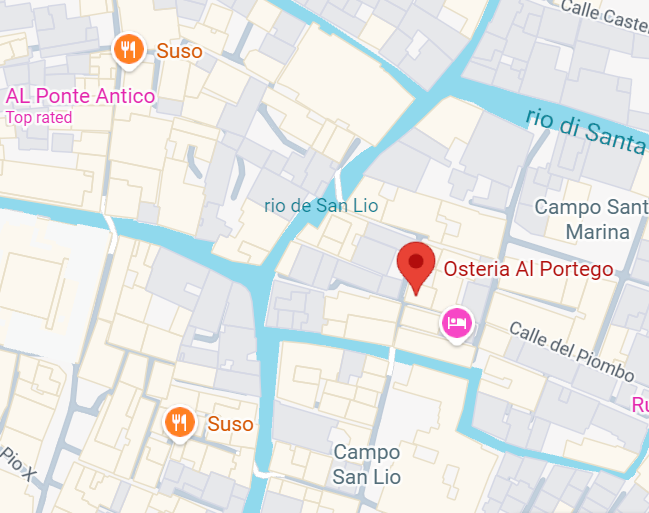
Osteria Al Portego
Energetic counter culture popular with locals, gondoliers, and evening crowds.
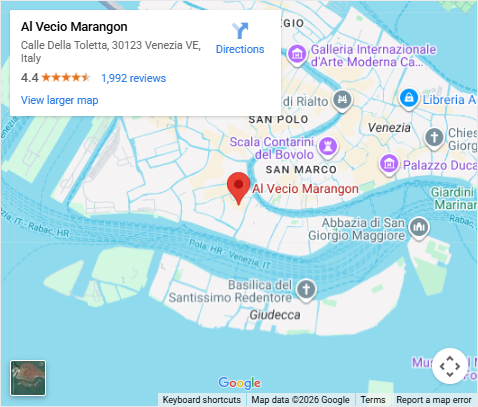
Bar Alla Toletta
A longstanding student favorite known for affordable crostini and relaxed atmosphere.
Each bacaro reveals a slightly different side of Venetian life — some loud and crowded, others intimate and quiet — but together they preserve fragments of a social rhythm older than modern tourism itself.
Many of these historic wine bars are located within walking distance of Venice’s major cultural landmarks, making them easy to combine with a broader exploration of the city. For visitors planning a full itinerary, our Venice city guide explores Carnevale traditions, neighborhood life, and the quieter side of Venice beyond the major tourist routes.
🍇 The Question of Fragolino
Fragolino occupies an unusual place in northern Italian wine culture.
The strawberry-scented wine historically associated with Veneto and northeastern Italy now exists largely through reinterpretations and informal traditions due to EU restrictions on commercial production.
In Venice, ordering Fragolino sometimes feels less about the wine itself and more about participating in collective memory — a small cultural echo preserved inside local conversation and ritual.
⏳ Venice Beyond Peak Tourism
Venice’s rhythms have changed dramatically in recent decades.
Winter once brought silence to many campi and half-empty bacari. Today, even off-season months remain active.
Yet authentic experiences still exist for travelers willing to slow down.
🕐 Timing
Visit bacari outside peak lunch hours
🗺️ Navigation
Avoid the busiest San Marco corridors
👥 Observation
Follow workers finishing afternoon shifts
🌿 Exploration
Explore smaller canals in Cannaregio or Castello
🗣️ Listening
Stop where conversations sound local rather than performative
Venice rewards observation more than schedules.
🧭 Experiencing Venice Thoughtfully
The bacari tradition works best when approached slowly.
Rather than building a checklist of famous bars, allow the city itself to shape the evening:
- pause for one cicchetto
- cross another bridge
- follow a quieter canal
- step inside wherever the atmosphere feels genuine
Pairing bacari exploration with slower neighborhood walks often reveals a more complete Venice than major landmarks alone.
For accommodation strategies during busy periods, see our Venice accommodation guide and our guide to cat-friendly hotels in Venice.
To understand how Venice connects with the wider region, explore the Veneto travel guide, including Treviso Province guide and the Prosecco Hills itinerary, mainland Venice, and the Venice Province coast.
If visiting during festival periods, see our guide to Venice Carnevale and seasonal events.
🎭 Venice as Ritual, Not Spectacle
Venice’s enduring identity lies less in grandeur than repetition:
- the ombra poured at the counter
- the regular who arrives at the same hour
- the bartender who remembers a face
- the cicchetto prepared exactly as it has been for decades
The bacari trail reveals Venice not as an open-air museum, but as a living city negotiating between tourism, memory, and everyday life.
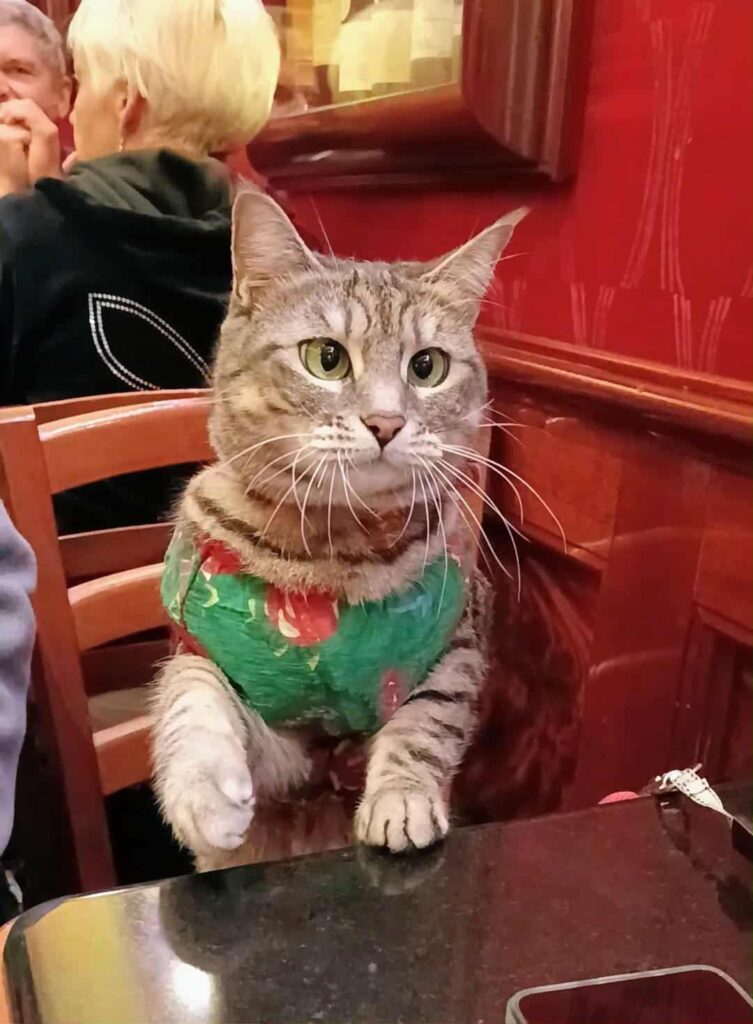
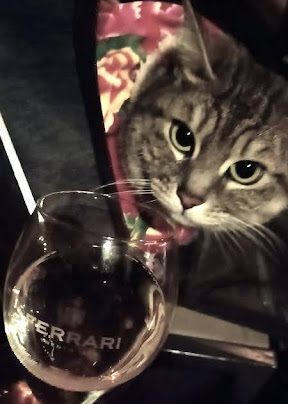
Gigia observed this balancing act carefully from beneath tables, beside wine barrels, and occasionally from highly strategic café cushions.
📚 Planning Your Venice Bacari Experience
For deeper Venice planning, explore:
Also Explore: