Marche, Italy: Coastal Towns, Historic Villages and Unexpected Discoveries
Marche is one of Italy’s most rewarding regions for travellers willing to venture beyond the familiar tourist routes. Stretching between the Adriatic Sea and the Apennine Mountains, this part of central Italy combines historic cities, medieval hilltop villages, dramatic coastlines and a landscape shaped by centuries of local traditions.
Often overlooked in favour of Tuscany, Umbria or the Amalfi Coast, Marche has a character of its own. Roman remains, Renaissance architecture, fishing harbours and long stretches of Adriatic coastline coexist with rolling countryside and small towns where everyday Italian life continues at its own pace.
For travellers exploring Italy with a cat, the region offers an interesting mix of coastal stops, historic centres and quieter inland destinations. Its variety makes it particularly rewarding for flexible road trips, with plenty of opportunities to move between seaside landscapes and historic towns.
📍 Where Is Marche, Italy?
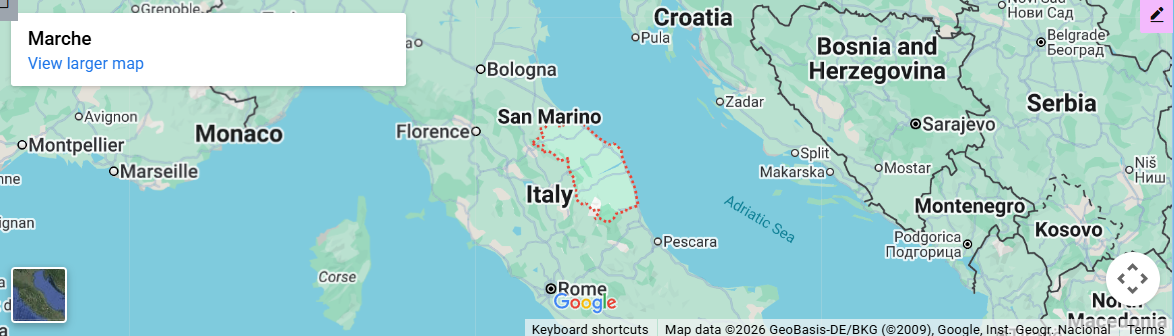
Marche is located in central Italy, bordered by Emilia-Romagna and the Republic of San Marino to the north, Abruzzo to the south, Tuscany and Umbria to the west, and the Adriatic Sea to the east.
Its geography is remarkably varied. The eastern coastline is dotted with sandy beaches, fishing towns and picturesque seaside resorts, while inland the landscape rises through vineyards, olive groves and rolling hills towards the Apennine Mountains.
This diversity means that travelling through Marche can involve very different experiences within relatively short distances: a morning exploring a Renaissance city, an afternoon wandering through a medieval village, or an evening overlooking the Adriatic.
For visitors looking beyond Italy’s busiest destinations, Marche offers a rewarding combination of history, nature and coastal life.
🌊 The Adriatic Coast and Its Historic Towns
Marche’s Adriatic coastline is one of the region’s defining features. It combines traditional fishing communities, sandy beaches, dramatic headlands and seaside towns with distinctive local identities.
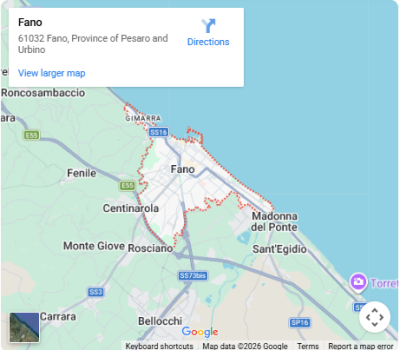
Further north, Fano blends Roman heritage with a relaxed maritime atmosphere. Its historic centre, ancient Arch of Augustus and waterfront make it an interesting stop for travellers exploring the northern Marche coastline.
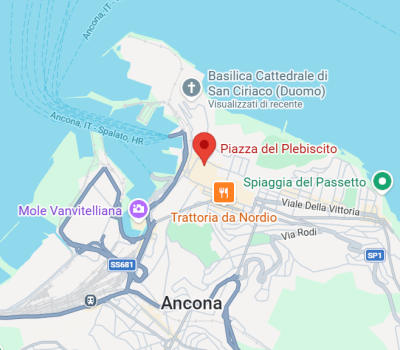
Ancona, the regional capital, offers a different perspective. Built around one of the Adriatic’s most important natural harbours, the city combines maritime history, monumental churches and panoramic viewpoints overlooking the sea.
Further south, Sirolo stands out for its spectacular position above the Conero Riviera, where wooded slopes meet the Adriatic and the coastline becomes more dramatic.
Together, these destinations reveal how varied the Marche coastline can be, from historic harbour cities to smaller seaside towns and natural coastal landscapes.
🐱 Exploring Marche with a Cat
Travelling through Marche with Gigia has highlighted a side of Italy that is easy to overlook when travelling without an animal companion.
The practical details of a journey become part of the adventure: finding suitable places to stop, identifying quieter streets, locating shaded resting spots and planning walks around the weather and surroundings.
For Gigia, even the most ordinary travel arrangements come with a few specific considerations. Access to suitable outdoor spaces, manageable walking routes and welcoming cafés can make a considerable difference when exploring unfamiliar towns. And, naturally, finding somewhere suitable for her rather particular facilities requirements is never far from the travel agenda.
The region’s combination of historic centres, coastal promenades and countryside roads offers plenty of variety, although individual destinations differ in their accessibility and suitability for cats.
Travelling this way also changes what you notice. A quiet piazza, an overlooked garden or a shaded corner can become just as memorable as a famous monument.
And, occasionally, the most important discovery is simply finding somewhere suitable for a well-earned break.
✨ Why Visit Marche?
Marche is particularly appealing to travellers who:
- Want to discover Italy beyond its most heavily visited destinations.
- Enjoy historic towns, Renaissance architecture and Roman heritage.
- Appreciate a coastline that combines sandy beaches with dramatic natural scenery.
- Prefer flexible itineraries combining seaside destinations and inland villages.
- Enjoy discovering regional food traditions and local culture.
- Travel with a cat and value opportunities to explore at a more flexible pace.
Marche does not need to compete with Italy’s famous tourist destinations. Its appeal lies in the variety of experiences it brings together, often without the intensity of the country’s busiest tourist centres.
💎 Discover Marche: Six Destinations to Explore
From the Adriatic coast to the historic towns of the interior, Marche has plenty to discover beyond its better-known attractions. Our destination guides explore six places that reveal different sides of the region:
The maritime capital of Marche, with its historic harbour, monumental architecture and Adriatic views.
A historic pilgrimage town renowned for the Basilica of the Holy House.
A picturesque coastal town overlooking the spectacular Conero Riviera.
A historic hilltop town associated with the poet Giacomo Leopardi.
A Renaissance treasure and UNESCO World Heritage Site, celebrated for its Ducal Palace and artistic heritage.
A seaside town where Roman history meets everyday Adriatic life.
Each destination has its own character, and our guides combine local discoveries, practical travel information and Gigia-approved observations to help you plan your journey.
🗺️ Planning Your Marche Itinerary
Whether you are planning a coastal road trip, exploring historic towns or discovering Italy with your feline companion, Marche makes an excellent addition to a wider Italian itinerary.
For more practical advice, explore our ultimate guide to travelling Italy with your cat and discover more destinations through the Gigia TravelCat website.
Explore Marche with Gigia:
Ancona (AN)
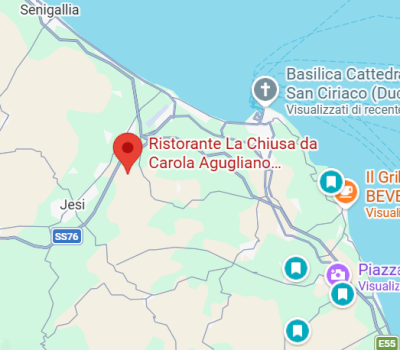
Ancona: A Port City with a Feline Sense of Occasion
Ancona, in Italy’s Marche region, is a working port city—a place of ferries, cargo ships and the faint smell of salt and diesel that clings to old maritime towns. It is not the polished pearl of the Marche, nor does it pretend to be. Ancona has a long memory and a rough charm, looking eastward across the Adriatic as it has for centuries.
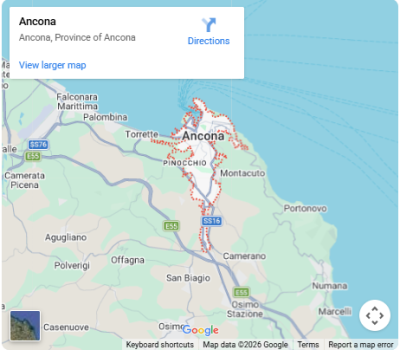
Set on the northern part of the Conero promontory, the city rises above a natural harbour. Its historic centre brings together Roman remains, medieval churches, grand piazzas and maritime landmarks. And, as Gigia discovered, it is also a city that knows how to give a feline of considerable self-regard her due.
🐾 Piazza del Plebiscito: The Stone Pedestal
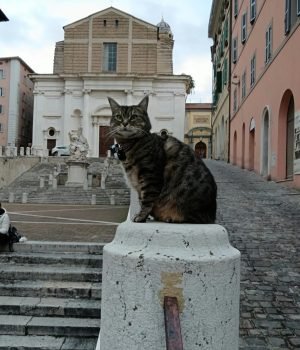
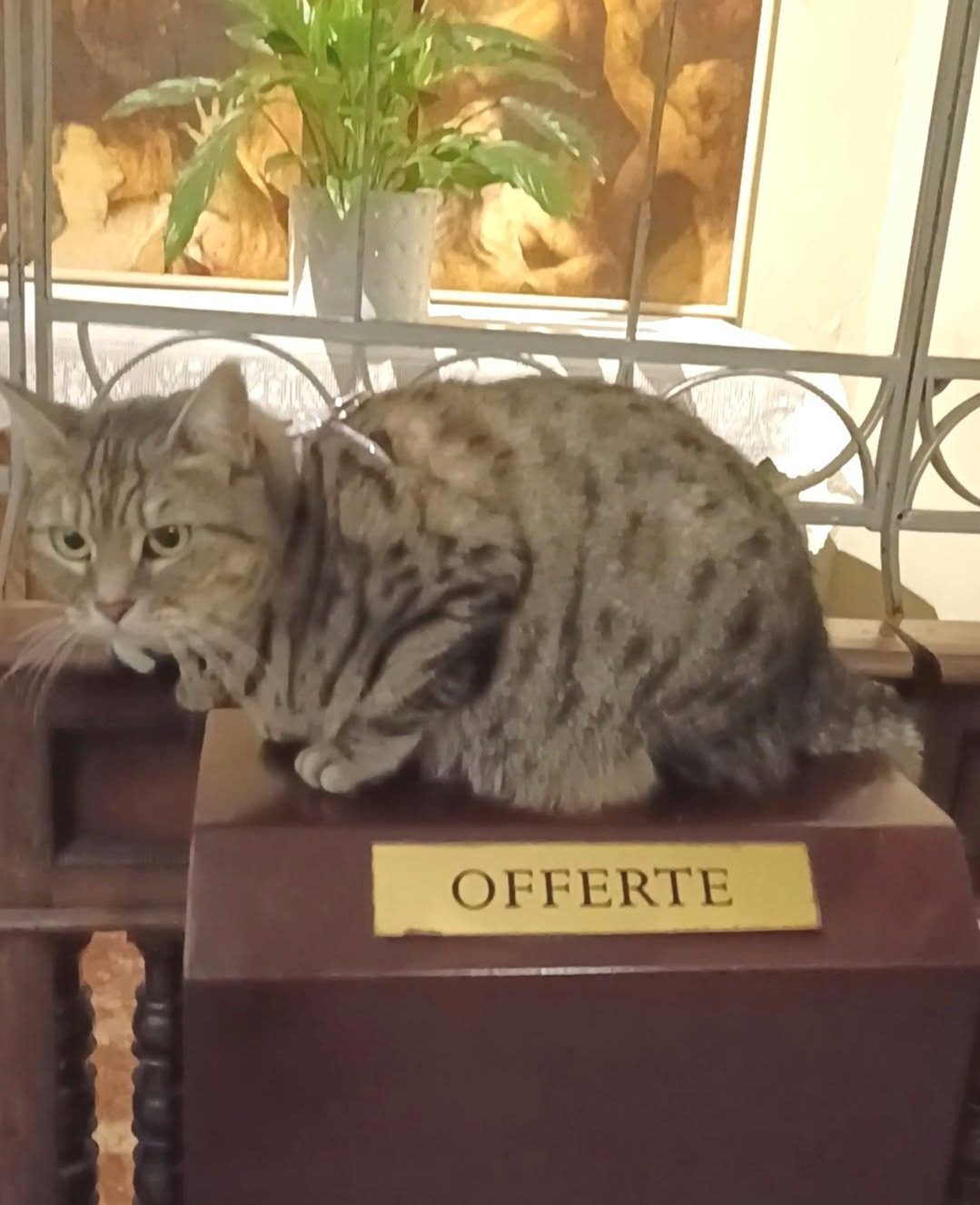
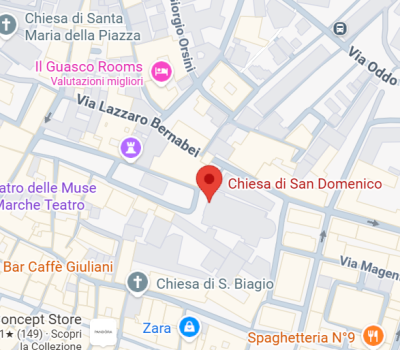
Piazza del Plebiscito, also known locally as Piazza del Papa, is one of the social and historic centres of Ancona’s old town. Framed by pastel buildings, it rises in a sweep of wide stone steps towards the Baroque façade of the Church of San Domenico. A statue of Pope Clement XII stands in the square, commemorating the pontiff who granted Ancona its free-port status.
Gigia, naturally, refused the stairs.
Instead, she located a weathered stone bollard at the base of the piazza, sprang onto it with practised agility, and settled herself like a monument. From this elevation, she stared down the lens of the camera—and, by extension, the entire square—with the cold, unapologetic authority of a customs official inspecting questionable paperwork.
In the background, the Pope stood in solemn benediction, while a few locals rested on the lower steps. I noted that none of them—not the Vicar of Christ nor the resting tourists—looked quite as comfortable as the cat on her pedestal. The square, to its eternal credit, did not argue.
🦁 The Cathedral of San Ciriaco: The Lion and the Empress
Ancona Cathedral, San Ciriaco, presides over the city from the summit of Guasco Hill. This remarkable medieval church combines Romanesque architecture with Byzantine and Gothic influences. Its position above the harbour gives it one of the most memorable views across Ancona and the Adriatic.
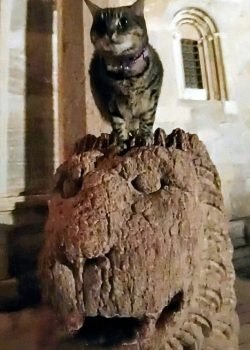
At the entrance, two marble lions flank the cathedral’s portal. Gigia took one look at the nearest beast, climbed directly onto its head, and settled herself there as though it had been commissioned for the purpose. This, her posture declared, is my pedestal now. The lion has been dethroned.
Tourists paused. Cameras clicked. The stone lion, forced into the role of a footstool for a small tabby cat, bore the indignity with centuries of stoic patience. Gigia, for her part, looked as though she had been waiting her whole life for a monument of this calibre.
The lion, I suspect, will not forget the indignity in a hurry.
🏛️ Ancona’s White-Marble Churches
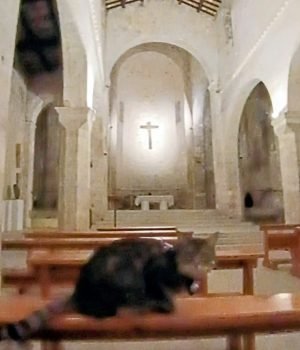
Beyond the cathedral, Ancona’s historic centre is punctuated by churches that reveal different chapters of the city’s architectural past. Among them, we found interiors that stood out for their pale stone, clean lines and restrained decoration. Their effect was not one of austerity but of stillness: spaces that seemed restful rather than overwhelming.
Gigia approved. They offered shade, stillness and a dignified atmosphere—three things she values above almost all else.
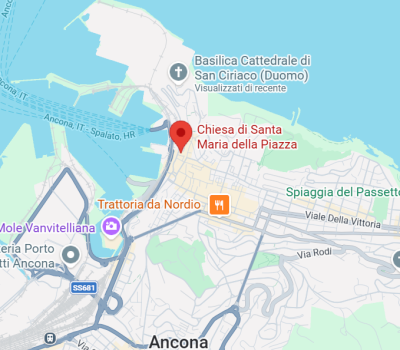
For visitors interested in exploring more of the city’s religious architecture, Ancona Tourism’s guide to the city’s churches includes San Francesco alle Scale, Santa Maria della Piazza and the Church of the Gesù.
🌊 Ancona and Its Adriatic Setting
Ancona’s identity is inseparable from the sea. Its port is one of the major gateways across the Adriatic, and the city has always looked eastward across the water. The historic centre is compact enough to explore on foot, although its sloping streets, stairways and hills make comfortable footwear essential.
There is more to see beyond the old town: the Roman Arch of Trajan by the harbour, the distinctive pentagonal Mole Vanvitelliana, and the green paths of Parco del Cardeto overlooking the sea. The Passetto waterfront adds another side to the city, with its beach and characteristic caves carved into the cliffs.
For a wider overview of the city’s landmarks and walking routes, see the official Italy tourism guide to Ancona.
🐾 Visiting Ancona with a Cat
Ancona can be explored with a cat, provided the visit is paced around the city’s hills and busy port traffic. The historic centre has stone paving, slopes and stairways, so a secure carrier is useful, particularly when moving between the lower town and the cathedral on Guasco Hill.
Check the current access rules for churches, museums and other indoor attractions before visiting. Keep your cat securely harnessed and leashed in public areas, and take extra care around traffic, crowded squares and elevated viewpoints.
If you are exploring the wider province, Sirolo and Loreto each have their own sections in this Marche guide, with more detailed information about visiting them.
🐱 Gigia’s Verdict
We left Ancona in the late afternoon, the harbour glinting behind us. Gigia was quiet in her carrier—not tired, but satisfied. She had made her appearance. She had conquered a lion. She had inspected the white marble.
Ancona, she had decided, was a city worthy of her.



Fano (PU)
🐾 Fano with a Cat: Exploring Roman Heritage and the Adriatic Coast
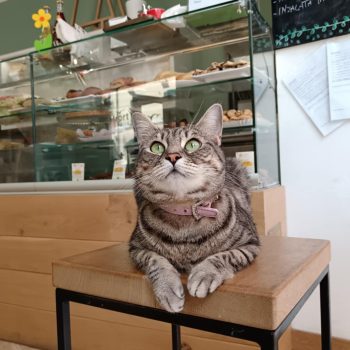
We hadn’t planned to stop in Fano. It was simply a convenient lunch break on our journey along the Adriatic coast. Yet this seaside town in northern Marche turned out to be a rather pleasant surprise.
Fano has a character all its own. Once known as Fanum Fortunae, the ancient Roman city still reveals traces of its past in its streets, surviving walls and monumental Arch of Augustus, built in AD 9. Beyond the Roman remains, the historic centre unfolds around elegant piazzas, medieval buildings and Renaissance architecture, while the Adriatic is never far away.
It is a town where history and everyday coastal life coexist without much fuss. Fishing boats, traditional trattorias, pavement cafés and the unhurried rhythm of local life give Fano a distinctly maritime character.
And then there was lunch.
Fano wasn’t on our itinerary, but it earned its place on the map. Sometimes the best discoveries happen between destinations.
Why Visit Fano with a Cat?
Fano makes a worthwhile stop for travellers exploring the Marche with their feline companions. Its historic centre is compact enough to explore on foot, while the seafront adds a different dimension to a visit.
Highlights include:
- A fascinating Roman heritage: The Arch of Augustus and the remains of the ancient city give Fano a historical identity that sets it apart from many Adriatic resorts.
- A characterful historic centre: Piazza XX Settembre, narrow streets and historic buildings make for an enjoyable stroll.
- A genuine seaside atmosphere: The fishing harbour, beaches and waterfront offer a change of scenery.
- A relaxed pace: Fano combines the attractions of a historic town with the everyday life of an Adriatic seaside destination.
For a longer stay, choosing accommodation in a quieter part of town can make outings with a cat easier to organise. See our guide to how to find truly cat-friendly accommodation in Italy and our advice on choosing quiet neighbourhoods in Italian cities.
📅 When to Visit Fano
- Spring and early autumn: Pleasant temperatures for exploring the historic centre, with fewer summer visitors.
- Summer: The liveliest season, when the beaches and seafront become the focus of local life. Plan outings with your cat for cooler hours.
🗺️ How to Include Fano in Your Marche Itinerary
Fano works particularly well as a coastal stop on a wider journey through the Marche or along the Adriatic.
Consider including it as:
- A lunch stop: Break up a longer drive and enjoy the historic centre.
- A short city visit: Allow time to explore the Roman heritage and Piazza XX Settembre.
- An overnight stay: Combine a little sightseeing with a slower seaside interlude.
Fano is also a useful contrast to the Marche’s inland historic towns and hilltop villages. For more inspiration, explore our ultimate guide to travelling Italy with your cat.
Practical Tips for Visiting Fano with a Cat
🚶 Historic Centre
Explore on foot, preferably in the morning or later in the afternoon. The compact street network makes it easier to discover the main sights without covering long distances.
🌊 Seafront and Beaches
Fano has different stretches of coastline, including the sandy Lido and the pebble beach of Sassonia. If travelling with a cat, stick to suitable public walking areas and check local rules before taking your companion onto a beach.
🍽️ Outdoor Cafés
Piazzas and pavement cafés are part of Fano’s everyday atmosphere. Ask staff before settling down with your cat, as individual establishments have their own policies.
🅿️ Parking
If arriving by car, check parking options around the historic centre before setting off. Access restrictions and parking arrangements can vary, particularly during the summer season.
Before your journey, consult our best cat travel gear guide for practical advice on harnesses, carriers and other travel essentials.
Gigia’s Verdict
For travellers exploring the Marche beyond its better-known destinations, Fano is a worthwhile addition: a seaside town with Roman roots, a lively historic centre and plenty of local character.
📌 For further information, visit Visit Fano – Official Tourism Website.
Loreto (AN)
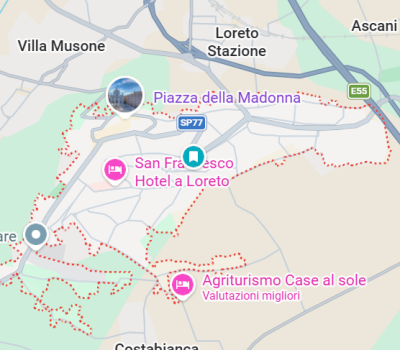
Loreto: The Holy House, Renaissance Grandeur and a Feline Catwalk
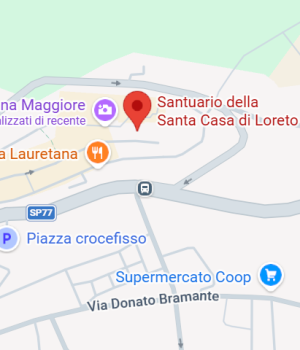
Perched on a hill in the Marche region, Loreto is best known for the Basilica della Santa Casa, one of Christianity’s most important pilgrimage sites. Its historic centre brings together centuries of religious devotion, Renaissance art and impressive architecture, with views extending across the surrounding countryside towards the Adriatic.
And, as Gigia discovered, there is also room for a little feline theatre.
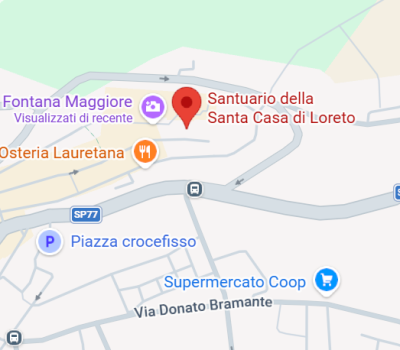
The Holy House and Basilica
Loreto’s identity centres on the Santa Casa (Holy House). According to Christian tradition, this is the house in Nazareth where the Virgin Mary lived and received the Annunciation. Tradition holds that angels transported it miraculously to Italy, where it arrived in Loreto on 10 December 1294. Other historical interpretations suggest that the stones may have been brought by sea, possibly through the initiative of the Byzantine Angeli family.
Gigia queued with the pilgrims and stepped inside the small stone house, with its three rough walls enclosed by an elaborate marble structure within the basilica. She was remarkably quiet and respectful — as she tends to be at religious sites, which have become some of her favourite places to visit.
Construction of the Basilica della Santa Casa began in 1469. Developed over more than a century, the building combines Gothic and Renaissance elements. Its marble enclosure around the Holy House is a masterpiece of Renaissance sculpture, while the interior contains works by artists including Lorenzo Lotto, Melozzo da Forlì and Luca Signorelli. The dome and bell tower, associated with architect Luigi Vanvitelli, complete Loreto’s distinctive skyline.
Gigia’s verdict on the interiors? Worthy of close inspection.
For visitor information, opening times and details about the shrine, see the official website of the Pontifical Sanctuary of the Holy House of Loreto.
Piazza della Madonna: The Catwalk
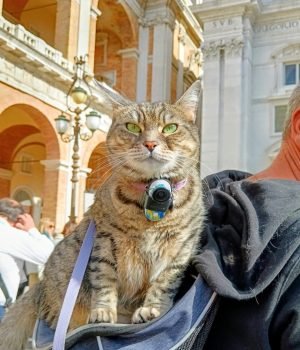
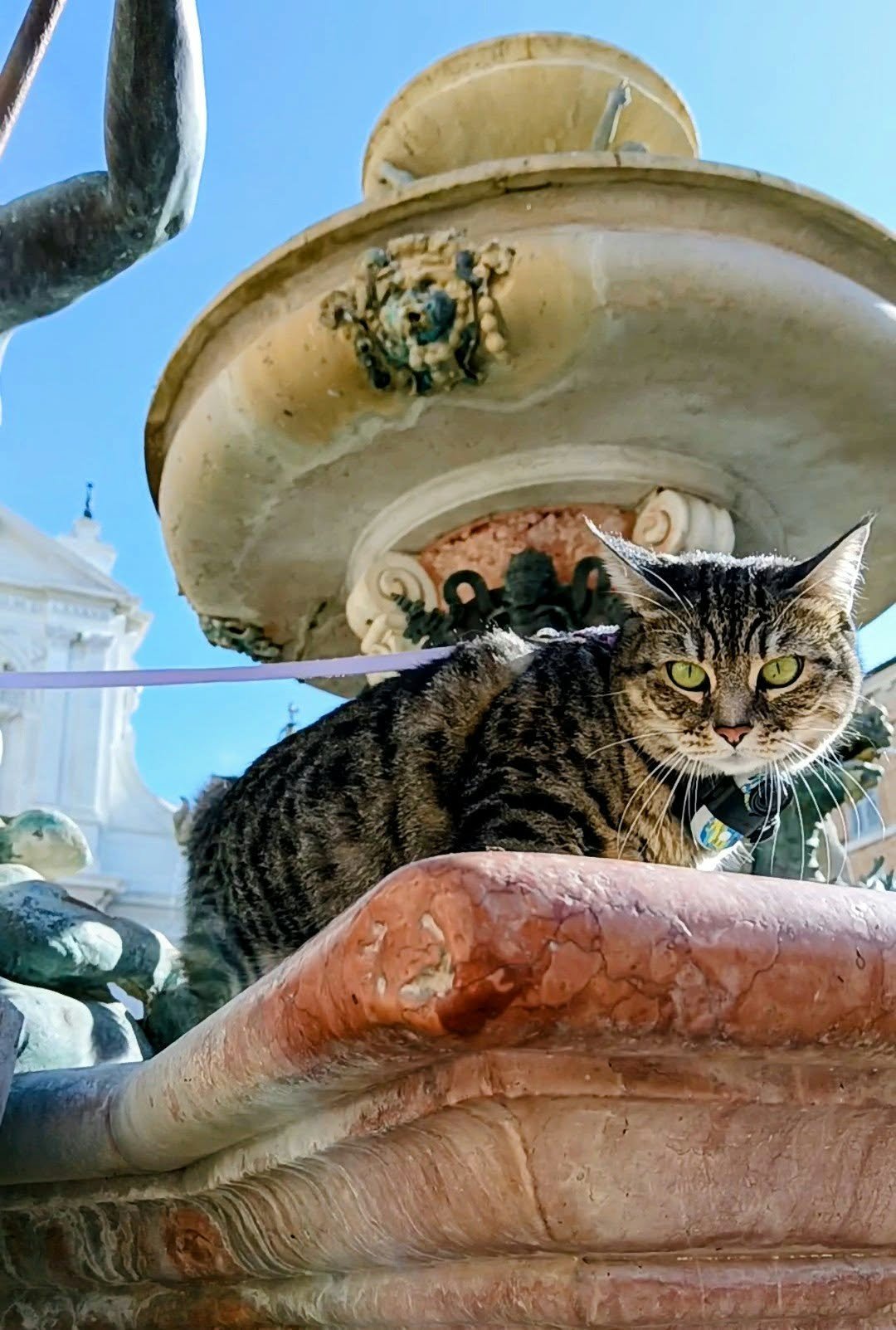
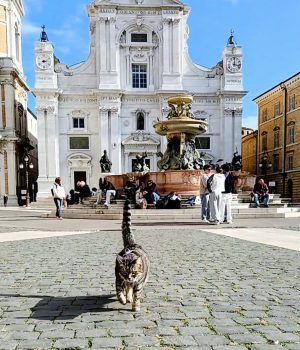
In Piazza della Madonna, the square in front of the basilica, Gigia found a new attraction: an audience.
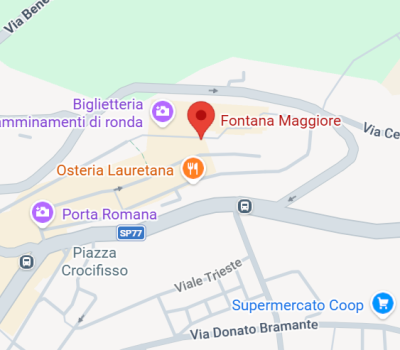
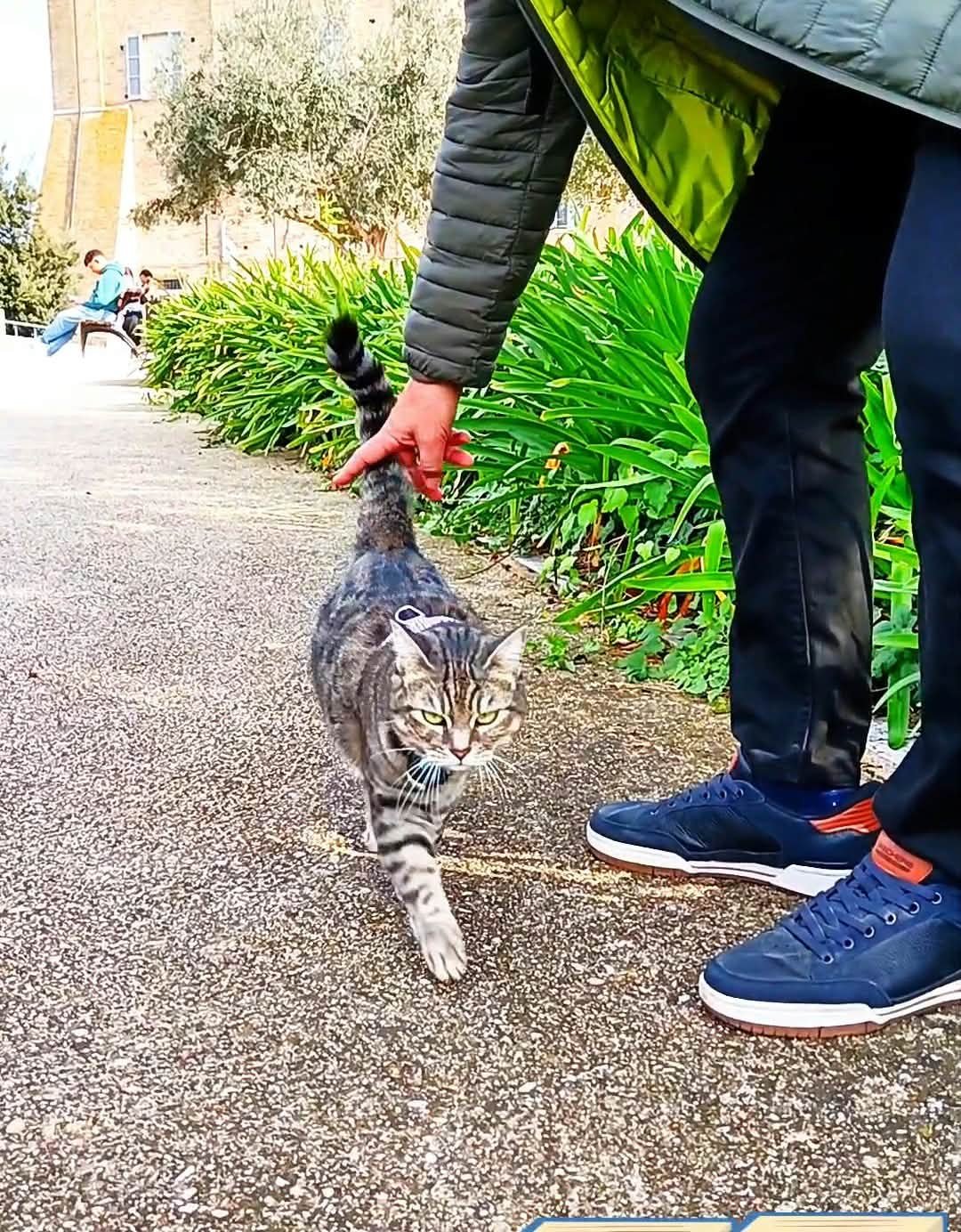
After investigating the monumental fountain, attributed to Carlo Maderno and Giovanni Fontana, she crossed the piazza with the studied nonchalance of a seasoned supermodel — tail high, stride measured and chin lifted just enough to acknowledge the admiration without depending on it.
Visitors stopped, phones appeared, and the familiar cry rang out: “Guarda, un gatto!”
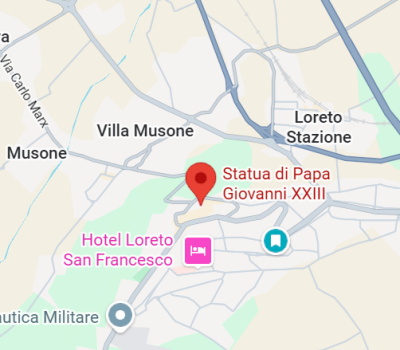
From the square, Gigia continued towards the statue of Pope John XXIII, commemorating his historic pilgrimage to Loreto in 1962. She paused and gave the statue a small, deliberate nod. A moment of feline respect.
Beyond it, the historic Renaissance walls and Ronda walkways offer panoramic views towards the Adriatic Sea and Mount Conero. Gigia, however, had other priorities. She discovered insects to chase and grass to eat. The panorama was apparently less compelling than a good insect — and, as she would point out, the Adriatic will still be there tomorrow.
Local Flavours
Loreto is a good place to explore the culinary traditions of the Marche. Regional specialities include vincisgrassi, a rich layered pasta bake; moscioli, wild mussels associated with the Conero coast; and olive all’ascolana, the famous stuffed and fried olives from the Ascoli Piceno area.
Gigia declined to comment. She was busy with the grass.
Visiting Loreto with a Cat
Loreto’s historic centre is hilly, with cobbled streets, slopes and steps. A secure carrier is useful, particularly around crowded areas and the sanctuary. The Basilica and Piazza della Madonna can become especially busy during Easter, major pilgrimages and the 10 December feast of Our Lady of Loreto, so allow extra time if visiting then.
If you are staying overnight, pet-friendly accommodation outside the busiest part of the historic centre may make access to outdoor space and quieter surroundings easier.
Keep your cat securely harnessed and leashed in public areas, unless you are in a genuinely safe, enclosed space where local rules permit otherwise. Gigia’s catwalk may have been memorable, but safety comes first.
Gigia’s Verdict
We eventually persuaded her to move on, with another stop to reach before evening. She left reluctantly. The piazza, I suspect, still misses her.

Recanati (MC)
Recanati: Poetry, Piazzas and a Feline Who Stole the Show
Set along a hilltop ridge in the province of Macerata, Recanati is one of the Marche region’s most characterful historic towns. Best known as the birthplace of Giacomo Leopardi, one of Italy’s greatest poets, Recanati is closely associated with the landscapes and places that inspired his poetry. Its compact historic centre, elegant piazzas and sweeping views across the Marche countryside make it a rewarding stop for anyone exploring this part of central Italy.
And, as it turns out, Recanati is equally willing to make room for a feline of comparable stature.
In the Shadow of Giacomo Leopardi
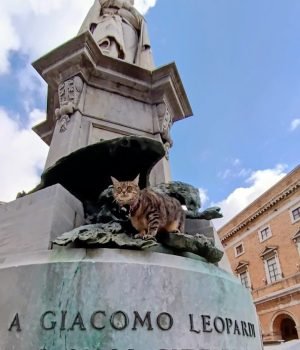
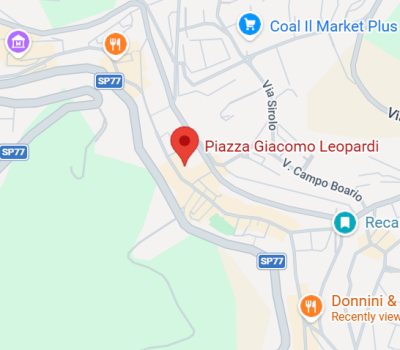
The heart of the town is Piazza Giacomo Leopardi, dominated by the bronze statue of the poet. He stands there in perpetuity, gaze fixed on some distant, unattainable horizon, forever contemplating something profound.
Gigia, naturally, saw an opportunity.
She positioned herself beside the statue with the air of one who had finally found a colleague. Why should a cat not be as statuesque as Leopardi? She looked the part entirely — poised, grave and just theatrical enough to suggest she, too, had known the burden of genius. The resemblance was uncanny. The pigeons, for once, kept their distance.
Literature enthusiasts can also visit Casa Leopardi, the poet’s birthplace and family home, which houses his historic library and museum collections. Nearby, Piazza del Sabato del Villaggio takes its name from one of Leopardi’s best-known poems, while the surrounding streets preserve several places associated with his life and work.
Corso Persiani: A Feline Procession
From the piazza, we proceeded along Corso Persiani, one of Recanati’s principal historic streets, leading towards the older quarters of the town.
Gigia did not walk it.
She processed it.
Perched on the shoulder of her human assistant — a position she has refined into an art form — she surveyed the street with the benevolent condescension of a monarch reviewing her subjects. Shops paused. Conversations faltered. Smiles spread in her wake. She received admiration and tributes as her due, which, to be fair, they were.
Palazzo Venieri: A View from the High Pedestal
One of the unexpected rewards of Recanati is the terrace of Palazzo Venieri. Through its historic archways and elegant courtyard, the building opens onto a magnificent panorama of the Marche countryside, with Loreto, Mount Conero and the Adriatic stretching into the distance. On a clear day, the views extend towards the Apennines and the Sibillini Mountains.
Gigia, of course, did not settle for the floor.
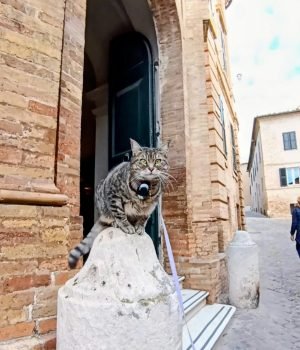
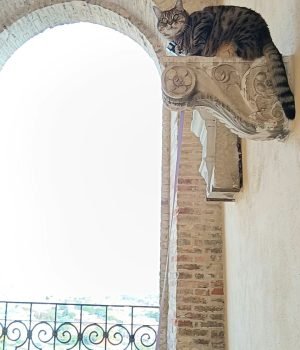
We lifted her onto a carved stone corbel beneath a brick archway — a decorative ledge that seemed almost designed as a feline viewing platform. She settled her paws and draped her tail over the edge with the practised elegance of a living gargoyle. From this commanding height, she surveyed the patchwork of hills below and the sea shimmering on the horizon.
站得高看得远 — Stand high, see far.
She stood high. She saw far. And she made absolutely certain that everyone below could see her.
When we eventually attempted to bring her down, she complained. Vocally. A series of affronted whines made it perfectly clear that she had no intention of abandoning her vantage point. She was enjoying the view — and the superiority it afforded her — far too much to give it up without a fight.
The Pyjama Shop Incident
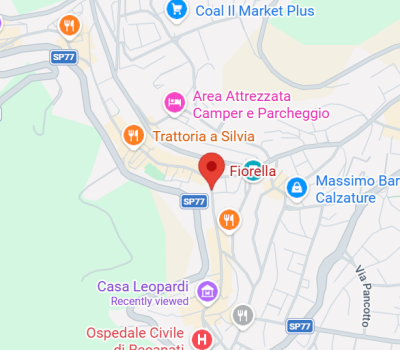
Along the way, we passed a small shop selling pyjamas and intimate apparel. The owner, Fiorella, emerged with the enthusiasm of someone who had spent a lifetime awaiting a cat of this calibre. She reached for Gigia. She cooed. She had, I suspect, already begun mentally redecorating the shop around a new feline mascot.
She very nearly stole her.
What saved Gigia from a life of pyjama-shop luxury was me — her vigilant mother — who intercepted the attempted abduction with the authority of someone who has spent years protecting this cat from her own admirers. Fiorella was gracious in defeat. Gigia was unbothered. I suspect she would have enjoyed the pyjamas.
Santa Maria di Montemorello: A Poet’s Baptism
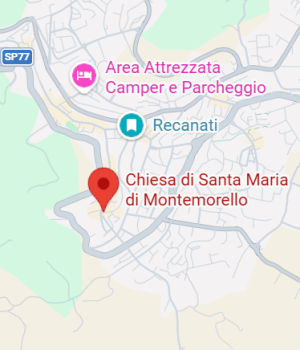
Just off Piazza del Sabato del Villaggio stands the small church of Santa Maria di Montemorello, where Giacomo Leopardi was baptised in 1798, the year of his birth.
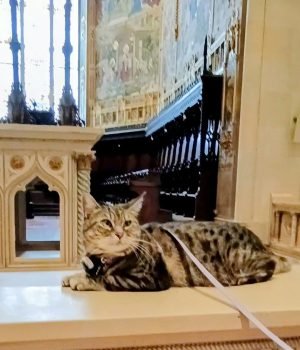
Gigia entered with her usual reverence — the quiet attention she reserves for religious sites, suggesting she might have been a nun in a previous life. She sat in the stillness, weighing the centuries of poetry that had begun in this corner of Recanati.
Then, apparently, she delivered a silent blessing to an audience only she could see. A benediction for the ghosts of poets.
We left her to it. Some moments are not to be interrupted.
Why Visit Recanati?
Recanati offers a distinctive combination of literary heritage, historic architecture and far-reaching countryside views. Its compact centre makes it easy to explore on foot, while its association with Giacomo Leopardi gives the town a particular appeal for literature lovers and anyone interested in Italy’s cultural heritage. It is also a worthwhile stop when exploring the inland towns of the Marche, beyond the better-known Adriatic coast.
For further ideas on places to visit, see the Recanati tourism guide.
Gigia’s Verdict
We eventually persuaded her to leave. She did so with the air of a poet departing a salon — reluctantly, but with the quiet confidence of one who would be remembered.
Recanati, I suspect, will remember her.




Sirolo (AN)
Sirolo: Cliff-Edge Views, a Green Sea and a Very Sensible Cat
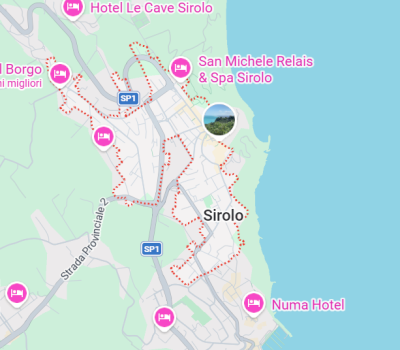
Perched high above the Adriatic on the Conero Riviera, Sirolo is one of the Marche region’s most picturesque coastal villages. Known as the Pearl of the Adriatic, this medieval hilltop town in the province of Ancona is celebrated for its white cliffs, panoramic sea views and compact historic centre of stone lanes, brick archways and little piazzas overlooking the coast.
Sirolo is also an excellent base for exploring the Riviera del Conero and the nearby Parco del Conero, with their wooded trails, dramatic headlands and beautiful beaches. It is a place built for looking outwards — although, as Gigia discovered, knowing when to step back is equally important.
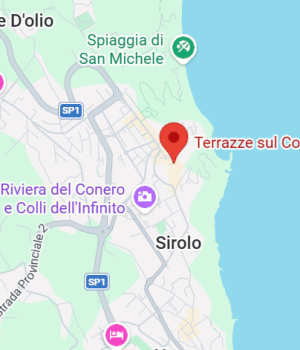
Terrazze sul Conero: A Tempting View
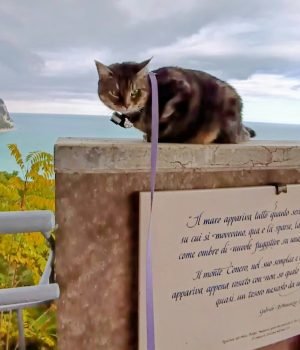
From the Terrazze sul Conero, the coastline curves away in a dramatic sweep of white cliffs and deep water. On a clear day, the Adriatic stretches out in vivid shades of blue. The edge calls to the explorer in all of us.
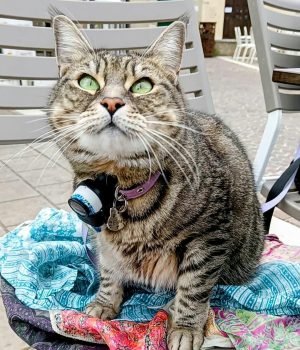
But for a cat weighing nearly 12 pounds, prudence must come first. Gigia surveyed the drop with the calculating eye of a seasoned mountaineer, took a step back from the parapet and decided that admiring the view from a safe distance was the better part of valour. She is a cat of many talents, but flying is not among them.
By the time we arrived, the weather had turned. The overcast sky had drained the water of its brilliant blue, shifting the sea to a deep, moody green. It was a different kind of beauty — softer, heavier and somehow more dramatic. Gigia approved. Green, apparently, was far more sophisticated than blue.
Chiesa di San Nicolò di Bari: A Trotting Inspection
The piazzetta at the heart of Sirolo is dominated by the Chiesa di San Nicolò di Bari, a historic church with a sturdy brick bell tower. The square is also one of the village’s best-known viewpoints, looking out over the Conero coastline.
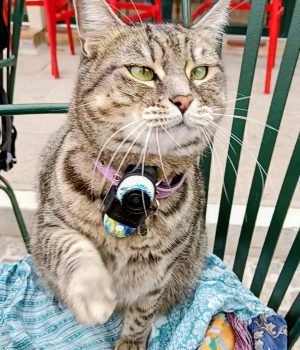
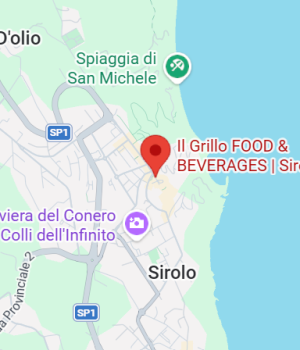
The café on the square, it should be noted, did not welcome feline visitors. It will therefore receive no further mention in this guide. Their loss.
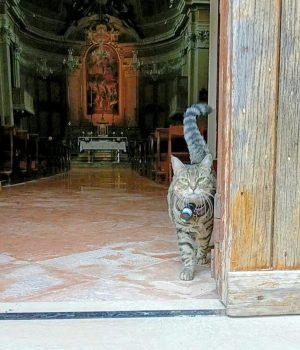
Gigia, unbothered by the rejection, turned her attention to the church. She trotted inside with the brisk, purposeful stride of an inspector with a schedule to keep. She checked the aisles, reviewed the stonework and ensured the pews were up to standard. It was a thorough, efficient audit — conducted at a brisk trot and entirely on her own terms.
Discovering the Conero Riviera
Sirolo is more than a panoramic village. Below its cliffs, the Conero Riviera is dotted with beaches and coves set between white rock faces and Mediterranean woodland. Among the best-known are Spiaggia Urbani, San Michele and Sassi Neri. The iconic Spiaggia delle Due Sorelle, named after its two distinctive sea stacks, can be reached only by sea.
The surrounding Parco del Conero offers walking trails through woodland and Mediterranean scrub, with viewpoints over the Adriatic along the way. For current visitor information and details of the beaches, consult the official Sirolo tourism website and its guide to the beaches of Sirolo.
Why Visit Sirolo?
Sirolo combines medieval charm with some of the most striking coastal scenery in the Marche. Its compact historic centre, panoramic terraces and proximity to the beaches and trails of the Conero Riviera make it a rewarding stop for anyone exploring the Adriatic coast. Whether you come for the sea views, a walk through the old village or a day discovering the Conero beaches, Sirolo deserves a place on a Marche itinerary.
For an overview of the village, its history and the surrounding natural attractions, see Sirolo on Italia.it, Italy’s official tourism portal.
Visiting Sirolo with a Cat
Sirolo’s historic centre is compact, but its lanes can be sloping and paved with stone. The panoramic terraces are close to steep drops, so keep your cat securely harnessed and leashed, and maintain a safe distance from the parapets. A carrier is useful when navigating busy areas or moving between the village and the coast.
If you plan to visit the beaches below Sirolo, check access arrangements in advance. Some require a walk along woodland paths, while the famous Spiaggia delle Due Sorelle is accessible only by sea. Not every beach excursion will be suitable for every cat, so choose according to your cat’s temperament, the weather and the practicalities of the journey.
Gigia’s Verdict
We left Sirolo as the overcast sky began to darken, the green sea churning quietly below the cliffs. Gigia rode on her human’s shoulder, looking back only once — just to make sure the sea hadn’t followed her.
Eat & Drink

Urbino (PU)
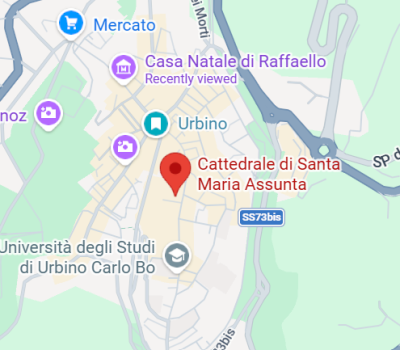
Urbino: Renaissance Grandeur, a Security Alarm and a Very Discerning Palate
Set among the rolling hills of the Marche region, Urbino is one of Italy’s great Renaissance towns and a UNESCO World Heritage Site. Under the rule of Duke Federico da Montefeltro in the 15th century, it became an influential centre of art, architecture and learning, attracting artists and thinkers from across Italy. Today, its historic streets, palaces and churches preserve the legacy of that remarkable period.
It is also, as it turns out, a place where Gigia could add “art critic” and “security threat” to her CV.
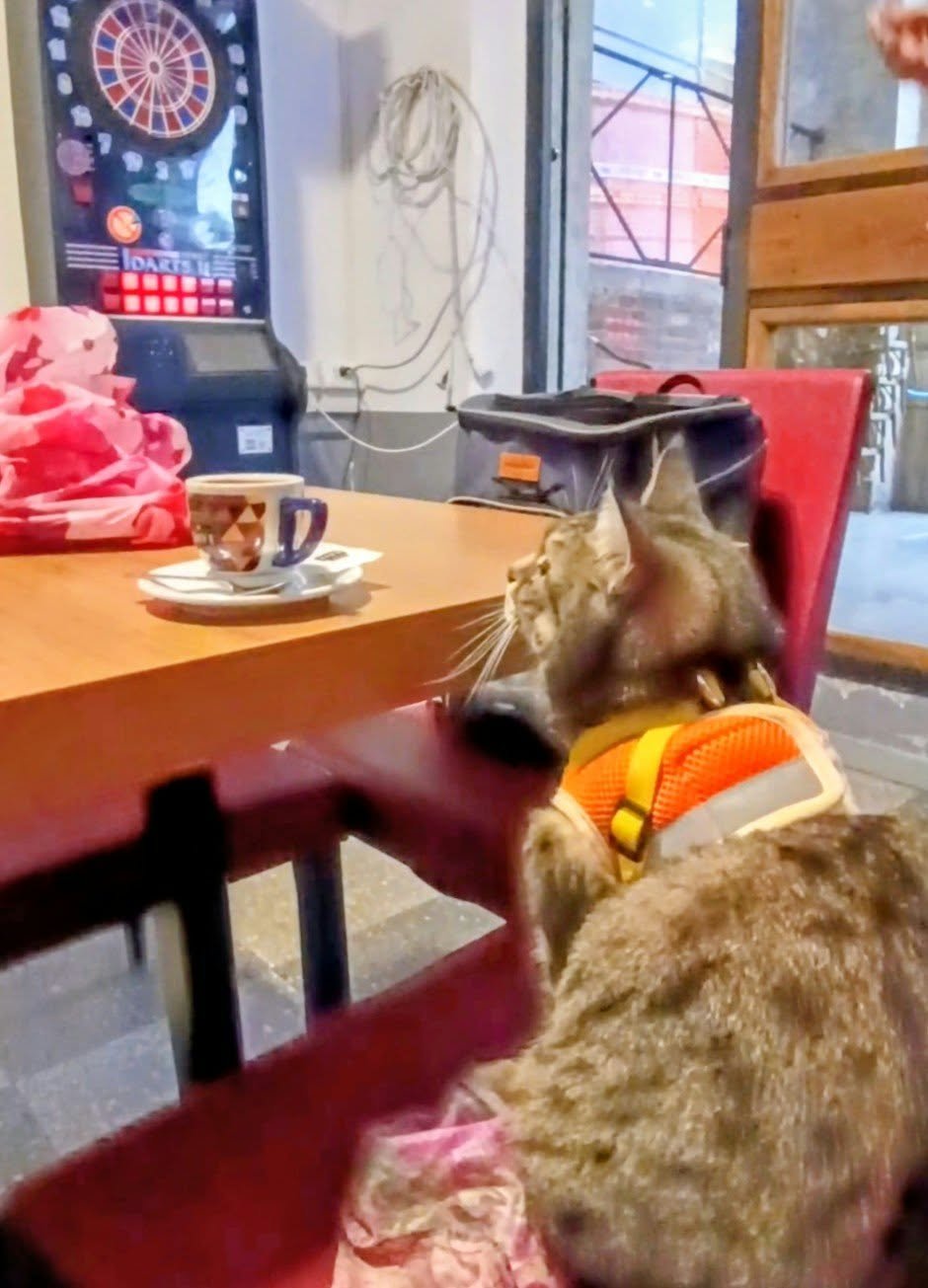
The Darts Game: A Scathing Judgement
The weather had turned against us. Urbino’s famous views had retreated behind low cloud, the streets glistened with rain, and the usual pleasures of an Italian hill town were temporarily suspended.
So we found a bar. The humans played darts.
Gigia watched.
She did not watch with interest. She watched with judgement. From her chair, she tracked each dart with the unblinking focus of a creature who had never missed anything in her life. When one thudded into the wrong segment, her expression shifted — barely perceptible, but unmistakable to those who know her. It was the look of a creature deciding whether incompetence was worth the effort of comment.
She decided it was not. She turned her head, slowly, and looked away.
The message was received. The darts improved, marginally. Gigia remained unimpressed.
Casa Natale di Raffaello: The Selfie and the Alarm
One of Urbino’s most famous sons is Raphael, the Renaissance painter born here in 1483. His birthplace, known as Casa Natale di Raffaello or Casa Santi, is now a museum dedicated to his early life and artistic heritage.
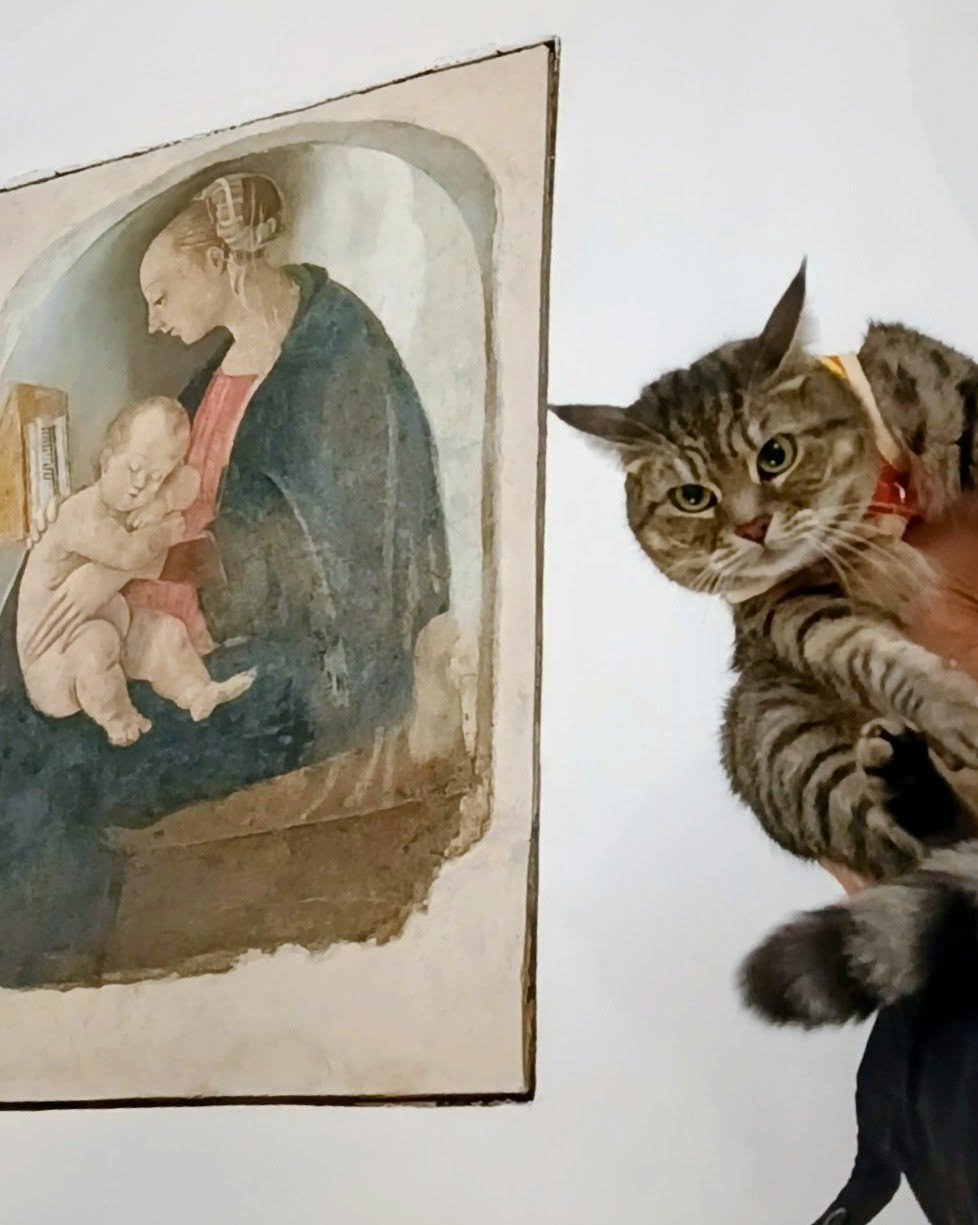
In the room traditionally identified as the place of his birth hangs a fresco of the Madonna and Child, generally attributed to his father, Giovanni Santi, although its authorship has also been debated. The house also preserves works and objects connected with the artist and his family.
The room was small and dim, the kind of space that demands quiet.
Gigia wanted a closer look.
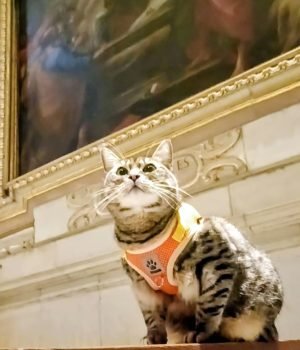
She was lifted for a better view. What followed was a brief, chaotic moment involving a security alarm, a flashing light and a feline who remained entirely unbothered by the commotion. The staff regarded the situation with the composure of people who have seen far stranger things in an Italian museum. No cat was evicted. Gigia got her photograph with the Madonna, and the fresco survived.
She emerged looking smug. The alarm, she suggested, had been an overreaction.
For opening times and visitor information, see the official Casa Natale di Raffaello website.
Urbino Cathedral and the Ducal Palace
The Urbino Cathedral (Duomo di Urbino) was another essential stop. Gigia entered with her usual reverence — quiet, attentive and entirely at home in the cool, dim interior, as though she had been baptised into this particular faith.
The Palazzo Ducale, however, did not work out. It was Monday, and the palace — home to the Galleria Nazionale delle Marche and one of the most important Renaissance art collections in Italy — was closed.
Commissioned by Duke Federico da Montefeltro, the palace is a masterpiece of Renaissance architecture. Its elegant courtyards, grand halls and celebrated studiolo reflect the cultural ambitions of the ducal court. The National Gallery houses major works by artists including Piero della Francesca, Raphael and Titian.
Gigia accepted the news with philosophical equanimity. She had already inspected a church, triggered an alarm and judged a darts game. The day had been productive. The palace, with its strict non-human rules, would have to wait.
Before planning a visit, check the Galleria Nazionale delle Marche website for current opening times, exhibitions and ticket information.
Porchetta on the Road Home
On the return journey, we stopped at a local porchetta shop near Urbino. The air was thick with herbs and roasted pork, and the humans loaded up on generous portions of porchetta — the crisp-skinned, herb-stuffed roast that is one of central Italy’s great gifts to humanity.
Gigia was offered a tiny piece.
She took a half-hearted bite. She chewed. She considered.
Too greasy, her expression pronounced.
She declined the rest. The humans, less discerning, finished the entire lot.
Why Visit Urbino?
Urbino is one of the cultural highlights of the Marche and a rewarding destination for anyone interested in Renaissance art, architecture and Italian history. Its UNESCO-listed historic centre is home to the magnificent Ducal Palace, the National Gallery of the Marche, Raphael’s birthplace and the cathedral. The town’s steep lanes and panoramic setting also make it an appealing stop on a journey through the inland Marche countryside.
Whether you come to explore the legacy of Federico da Montefeltro, admire the works of Raphael or simply wander through the historic centre, Urbino deserves a place on a Marche itinerary.
Visiting Urbino with a Cat
Urbino’s historic centre is hilly, with cobbled streets, slopes and steps. Comfortable walking shoes are useful, and a secure carrier can make it easier to navigate busy streets or enter places where pets are not permitted. If you plan to visit museums or historic interiors, check their animal-access rules in advance; admission policies can differ from one site to another.
For a cat travelling with you, the town’s outdoor streets and piazzas are often the easiest places to explore together. Keep your cat securely harnessed and leashed, particularly around traffic, crowds and steep viewpoints.
Gigia’s Verdict
We drove home through the rain, the porchetta warm on our knees, Gigia curled in her carrier with the quiet satisfaction of a cat who had inspected, judged and declined.
Urbino, she had decided, was worthy of a second visit. But only if the darts improved.