cat-friendly agriturismo Italy

Agriturismi and B&Bs That Actually Love Cats: Farm Stays Beyond the Dog-Friendly Label

Key Takeaways

  • Not every “pet-friendly” label means cat-suitable. A true cat-friendly agriturismo Italy prioritizes safety, quiet, and indoor comfort—not just dog tolerance.
  • Regions like Tuscany, Umbria, and Emilia-Romagna offer many “farm stays that accept cats Italy,” but careful host communication is still essential. Layout and owner attitude matter more than location.
  • Asking the right pre-booking questions, choosing shoulder seasons, and booking directly can transform “pet-friendly B&B cats Italy” stays into genuinely calm, cat-centered escapes.
  • Gigia Travel Cat provides information to help you  find “agriturismo gatti ammessi” and B&Bs that genuinely understand and welcome feline guests.

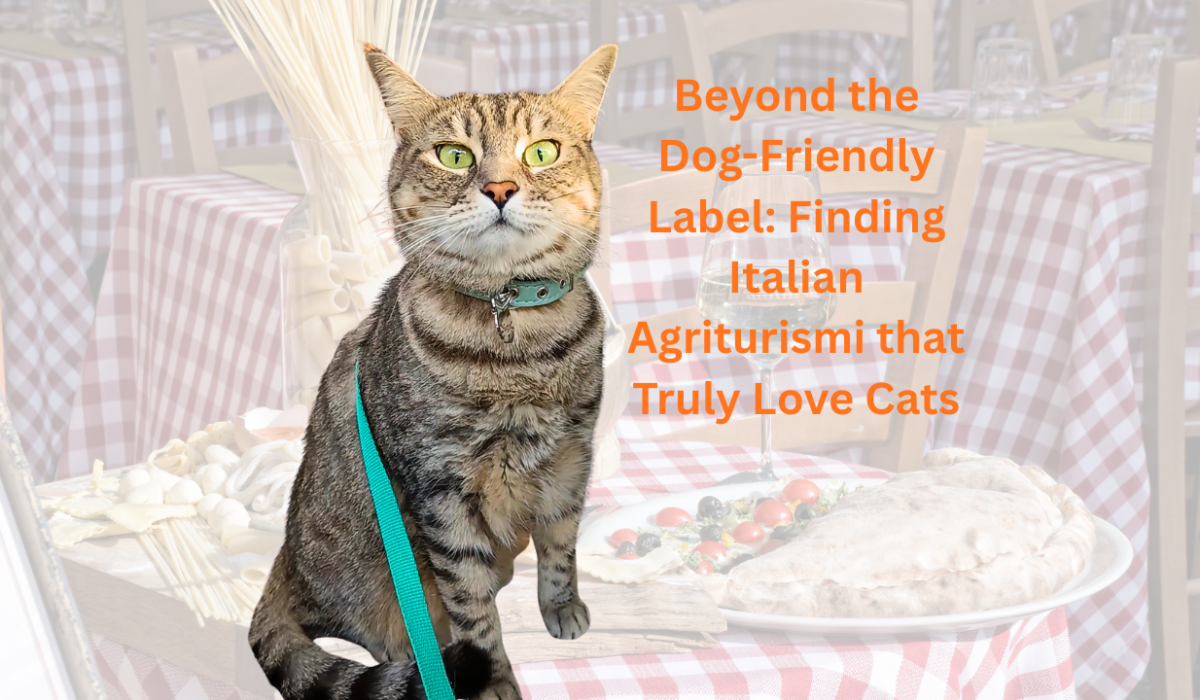
For cat parents, the dream Italian countryside escape is distinct—unless, of course, you have a cat in the Gigia spirit who actively enjoys exploring unfamiliar places. For most, you envision a peaceful agriturismo courtyard where your cat can explore safely, thick stone walls that muffle the world, and hosts who understand that cats require secure sanctuaries, not just open spaces. Yet, most “pet-friendly” Italian farm stays are designed for dogs: expansive gardens, shared areas where animals roam freely, and rules that prioritize a dog’s freedom over a cat’s fundamental need for safety and quiet.

This guide exists to bridge that gap. A truly cat-friendly agriturismo is quieter, more contained, and thoughtfully aligned with a cat’s instincts. Gigia Travel Cat endeavours to help you find true “agriturismo gatti ammessi”—places where the phrase means more than a policy checkbox. It signifies a host’s genuine commitment to creating an environment where your feline family member can feel secure and thrive. For the adventurous cat, this guide is your key to making those discoveries safely.

What Makes a Farm Stay Truly Cat-Friendly (Not Just Dog-Tolerant)

Not every property that claims to accept “pets” is suitable for cats. Here’s what actually matters when evaluating a cat-friendly agriturismo in Italy:

Physical Safety & Layout

A genuinely cat-safe farm stay has:

  • Enclosed courtyards or secure gardens with limited escape routes and complete fencing. Open fields are dog paradise but cat nightmares—your cat could escape, get lost, or be exposed to local wildlife and traffic.
  • Secure windows and balconies that can be opened safely without risk of escape. Look for listings mentioning “cat-safe” or properties with screens or secured openings.
  • Private rooms or self-contained apartments where your cat can decompress away from other animals, shared corridors, and constant foot traffic. This is especially important if the farm hosts other guests or has resident dogs.
  • Ground-floor access or reliable lifts. Narrow stairs and multiple floors are stressful when carrying a nervous cat in a carrier.

Owner Attitude & House Rules

The difference between “pet allowed” and “cat-friendly” agriturismo in Italy shows in how hosts communicate:

  • Explicitly cat-welcoming hosts who mention “agriturismo gatti ammessi” or “we love cats” in their listing. They understand that cats stay mostly indoors and need time to adjust.
  • Reasonable fees, not inflated “pet damage” surcharges that suggest anxiety rather than experience.
  • Clear policies on shared spaces: Can dogs roam the common areas? Are there separate guest zones? A responsible host will explain this upfront.

Practicalities

  • Easy-to-clean flooring (tile, stone, or sealed wood) rather than carpet. Accidents happen during travel stress; you want owners relaxed about this, not concerned.
  • Quiet, private spaces for litter boxes, ideally on the same floor as your cat’s bedroom so they don’t have to navigate stairs or shared areas.

Searching for “farm stays that accept cats Italy” often leads to generic results. To find a truly cat-appropriate stay, you must go beyond the “pet-friendly” label. Proactively contact accommodations and ask specific questions about safety and environment. Use this checklist to separate cat-welcoming havens from merely pet-tolerant locations:

• Secure Room: Are windows and exits cat-proof?
• Quiet Ambiance: Is the property free from startling noises or loose dogs?
• Host Understanding: Do they grasp that cats need a secure base camp, not an adventure playground?

Regions with the Good Cat-Welcoming Options

In the regions Gigia has explored across Italy, we have successfully identified welcoming agriturismi that are genuinely cat-friendly. These places present themselves as pet-friendly but are also well-suited to cats. We present some examples here. 

Tuscany

The Tuscany region of Italy is iconic for agriturismi: hilltop farmhouses surrounded by vineyards, olive groves, and rolling landscapes. Many classical Tuscan cat-friendly agriturismo options feature:

  • Stone farmhouses with thick walls that naturally insulate against noise
  • Enclosed courtyards built into the farm’s layout (original design, not an afterthought)
  • Separate guest apartments rather than rooms in a shared main house
  • Slower paces and fewer party atmospheres than coastal areas

Downsides: Tuscany is crowded in summer and can be expensive. Shoulder seasons (April–May, September–October) offer the best combination of mild weather and fewer tourists disturbing the quiet.

Umbria

Umbria is less touristy than Tuscany but equally beautiful—green valleys, small towns, and family-run farms. Many Umbrian “agriturismo gatti ammessi” setups are:

  • Independent apartments with private entrances (easier for cats to settle without seeing other guests)
  • Run by longtime farming families who have experience with pets
  • Quieter overall, with genuine rural rhythms rather than tourist schedules
  • Often more flexible on scheduling and cat-specific requests

In fact one of the farmhouses where Gigia stayed in Umbria had a number of resident cats, providing infinite entertainment for Gigia.  Umbria is ideal if you want rural calm without the Tuscany price tag or summer crowds.

Emilia-Romagna

The Emilia-Romagna region masterfully blends rustic farm culture with deep food heritage and charming small towns. This makes finding “pet-friendly B&B and farmhouses that welcome cats” comparatively straightforward.

Truly cat-suitable options here tend to share key traits:

  • Proximity to Services: Situated near villages for easy walks to restaurants and markets.
  • Accommodation Style: Often independent apartments or intimate B&Bs, offering more controlled environments than sprawling farm estates.
  • Informed Hosts: Managed by owners experienced with pets beyond dogs.
  • Practical Access: Located in well-settled areas with convenient access to veterinary services.

This combination makes Emilia-Romagna ideal for cat parents seeking countryside calm without complete isolation.

The fundamental rule, however, transcends any single region: location and property layout are paramount. A well-chosen, cat-suitable farm stay in bustling Tuscany will always be superior to an ill-suited one in a quiet corner of Umbria. The lesson is universal: meticulous research on the individual property is non-negotiable.

Seasonal Timing: Why Spring and Autumn Are Best for Cats

For maximum comfort and safety, spring (April-May) and autumn (September-October) are the optimal seasons to visit a cat-friendly agriturismo in Italy. These shoulder seasons offer mild temperatures, reducing reliance on heating or air conditioning and allowing for safe, secure outdoor access with fewer insects. The environment is quieter with fewer tourists and less hectic activity, which aligns perfectly with a cat’s preference for calm and predictable routines.

In contrast, summer brings intense heat and crowded, noisy conditions that require careful management, while winter, though cozy indoors, depends on reliable heating and offers limited exploration. Choosing spring or autumn ensures both human and feline comfort, leading to a calmer cat and a more relaxed experience.

Before You Book: Essential Pre-Booking Checklist

To ensure a property is genuinely suited for your cat, we recommend contacting the host directly before confirming any reservation. A clear, written inquiry is the best way to separate cat-welcoming places from those that are merely “pet-tolerant.”

Draft a message (in English or Italian) that includes the following key questions:

1. About the Environment & Animals

  • “Do you specifically welcome indoor cats? Are you experienced with them?”
  • “Are there resident dogs, cats, or farm animals? How close are they to the guest rooms?”
  • “Can I keep the windows in my room securely closed, or are they fitted with cat-safe screens?”

2. About Safety & Facilities

  • “Is any outdoor area fully enclosed, or could a cat slip through fences or gates?”
  • “Will there be other guests during my stay? What is the general level of foot traffic and noise?”
  • “Where do guests typically place a litter box? Is there a quiet, private spot available?”

3. About Logistics & Fees

  • “Is the room/apartment on the ground floor, or is there a reliable lift/elevator?”
  • “What are your pet fees, and do these differ for cats?”
  • “As a precaution, what is the nearest veterinary clinic, and do they have English-speaking staff?”

4. About Your Cat (Be Proactive)

Briefly describe your cat’s temperament (e.g., “My cat is shy/indoor-only/curious/senior“). This helps the host provide relevant advice and prepare appropriately.

Crucial Final Step: Keep all communication in writing (email or app messages) for your records. Once satisfied with the answers, request a written confirmation of your arrival time. This allows the host to prepare and prevents the stress of a surprise check-in for your cat.

Where to Find These Cat-Friendly Stays in Italy

  1. Use Platforms as Search Tools: Start on Airbnb or Booking.com by filtering for “pets allowed” and searching terms like “agriturismo with gatti ammessi”. Use the listings to find the property’s own website or direct contact email.
  2. Go Direct to Regional Sources: Search Italian regional tourism board websites for agriturismo directories. These official lists allow you to contact owners directly, bypassing intermediaries.
  3. Consult Pre-Vetted Curations: For the most reliable, stress-free search, use resources like Gigia Travel Cat’s curated guides to find “pre-vetted options” that have already been assessed for genuine feline hospitality.

Why Booking Direct Makes All the Difference

Skipping the middleman isn’t just about saving fees—it’s about creating a better trip for you and your cat.

  • Clearer Communication: You can ask detailed, specific questions about cat safety and comfort directly to the host before you commit.
  • Greater Flexibility: Owners may offer discounts for longer stays, adjust check-in times for a calmer arrival, or suggest the quietest room.
  • Better Pet Policies: You can discuss your cat’s specific needs directly, rather than being bound by a generic platform rulebook.

Your First Message: The Key to a Warm Welcome

Your initial inquiry sets the tone. Be clear and concise, and include:

  • Your travel dates and the duration of your stay.
  • The number of humans and cats in your party.
  • A brief note on your cat’s personality and needs (e.g., “indoor-only,” “shy,” “needs a quiet corner”).
  • Any special logistical requests (ground-floor room, secure outdoor space, proximity to a vet).
  • A polite mention that you wish to book direct and support their small business.

Hosts who run genuine cat-friendly agriturismo in Italy properties deeply appreciate thoughtful inquiries from cat parents who’ve done their homework. A direct, detailed message is your first step towards a perfectly tailored, welcoming stay.

FAQs

Is It Truly Cat-Friendly? The 60-Second Check

Don’t settle for a generic “pet-friendly” label. Here’s how to quickly spot a genuinely cat-welcoming agriturismo in Italy:

1. Look for Cat-Specific Language


Search for the key Italian phrase: “gatti ammessi” (cats allowed). Listings that say “accettiamo gatti” or “adatto ai gatti” (suitable for cats) have already done the first important filter for you. In the case they only mention “pet”, it is prudent to contact them directly and inquire.

2. Do the “Review & Photo Scan”

  • Search Reviews: Use the review search bar for the words “cat,” “gatto,” or “quiet.” Positive mentions from other cat owners are a great sign.
  • Examine Photos: Look for images of secure, high fencing in gardens and windows with screens or locks.

3. The Must-Do: Ask Direct Questions

Its highly recommended to contact the host before booking. A truly cat-friendly host will gladly answer specific questions. Ask about secure outdoor areas, window screens, resident animals, and their experience with indoor cats.

The difference is in the details. A host who provides clear, considerate answers to these questions is offering a cat-friendly experience, not just a pet-tolerant space.

.

The Indoor-Only Cat Checklist: Must-Ask Before You Book

Traveling with an indoor-only cat requires extra care to ensure their safety and comfort. Before booking any farm stay that accepts cats in Italy, use this targeted checklist to verify the property is a true sanctuary.

The Essentials to Verify:

  • 🪟 Window & Balcony Security: Are all windows fitted with secure screens or locks to prevent escapes? Are balconies fully enclosed with cat-proof netting or solid barriers?
  • 🌳 Outdoor Area Safety: Is any adjacent garden or courtyard fully enclosed with no gaps in fences or under gates?
  • 🏡 Host Understanding: Does the host explicitly understand that your cat is indoor-only and will not be roaming outside?
  • 🚪 Entry/Exit Protocol: What is the escape risk when entering or exiting the room? Is there a secure vestibule, or can you request a room with a private entrance?
  • 🐾 Litter Box Logistics: Is there a quiet, discreet, and well-ventilated spot (like a bathroom or utility room) where you can place the litter box?
  • 🛗 Ground-Floor Preference: If available, can you book a ground-floor room or apartment to avoid the stress and risk of stairs and shared hallways

Why This Matters: A genuinely cat-friendly agriturismo in Italy won’t just accept your pet—they will proactively help you address these safety concerns. A host’s knowledgeable and detailed response to these questions is the best indicator of a truly suitable stay.

Are pet-friendly B&B in Italy safe options for cats if my cat is shy or easily stressed?

Yes, if you choose carefully. Smaller, family-run “agriturismo gatti ammessi” properties are often quieter and less stimulating than big hotels. Look for independent apartments rather than shared spaces, and book in shoulder seasons (spring/autumn) when farms are calmer. Always call the host and explain your cat’s nervousness—good hosts will adjust accordingly.

What does agriturismo gatti ammessi usually mean in practice for rules and fees?

It means cats are explicitly welcome. Pet fees vary widely (€5–20 per night), and terms differ: some charge a flat deposit, others a nightly rate. Always confirm the fee structure and cancellation policy in writing before booking. Most Italian hosts who specifically welcome cats are more relaxed about fees than those who simply “tolerate” pets. Gigia has had the fortune to stay for free in all the farm stays to date. 

Which Italian regions are best if I want calm, cat-suitable agriturismi close to small towns?

Umbria and Emilia-Romagna offer excellent rural-but-accessible options. Tuscany has more choices for cat-friendly agriturismos in Italy overall but can be crowded and pricey. Consider booking in spring or autumn across any region for the quietest experience.

Conclusion: Farm Stays  Reimagined for Cats

Rural Italy has all the makings of a feline paradise: quiet countryside, secure courtyards, and a slower pace of life. Yet this dream only becomes reality when you choose a stay designed for a cat’s comfort, not just a human’s idea of rustic charm.By asking the right questions, traveling in the right season, and seeking out curated guides like GigiaTravelCat.com and its companion guidebook “Zampe in Viaggio: Gigia alla scoperta dell’Italia Cat-Friendly”, you can discover agriturismi and B&Bs that welcome cats with true understanding. Your cat doesn’t just deserve a place that says “pets allowed”—they deserve one where “agriturismo gatti ammessi” is a promise of genuine hospitality

Leave A Comment

All fields marked with an asterisk (*) are required