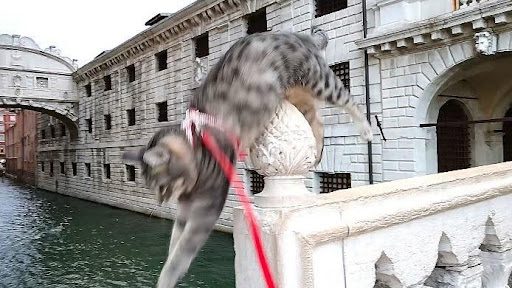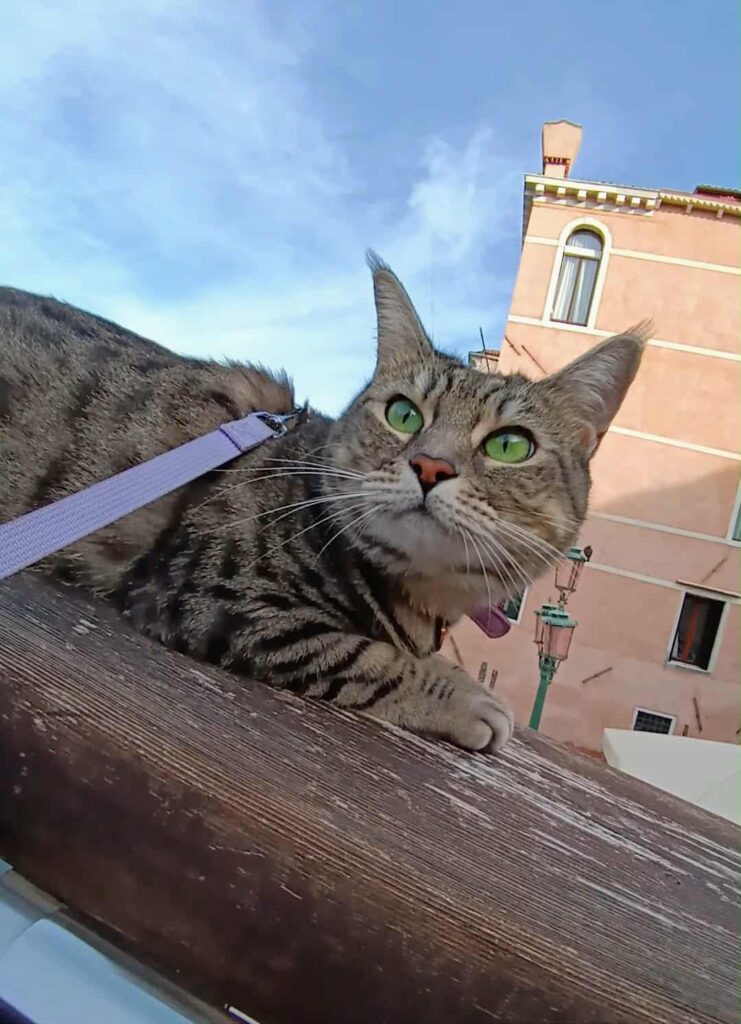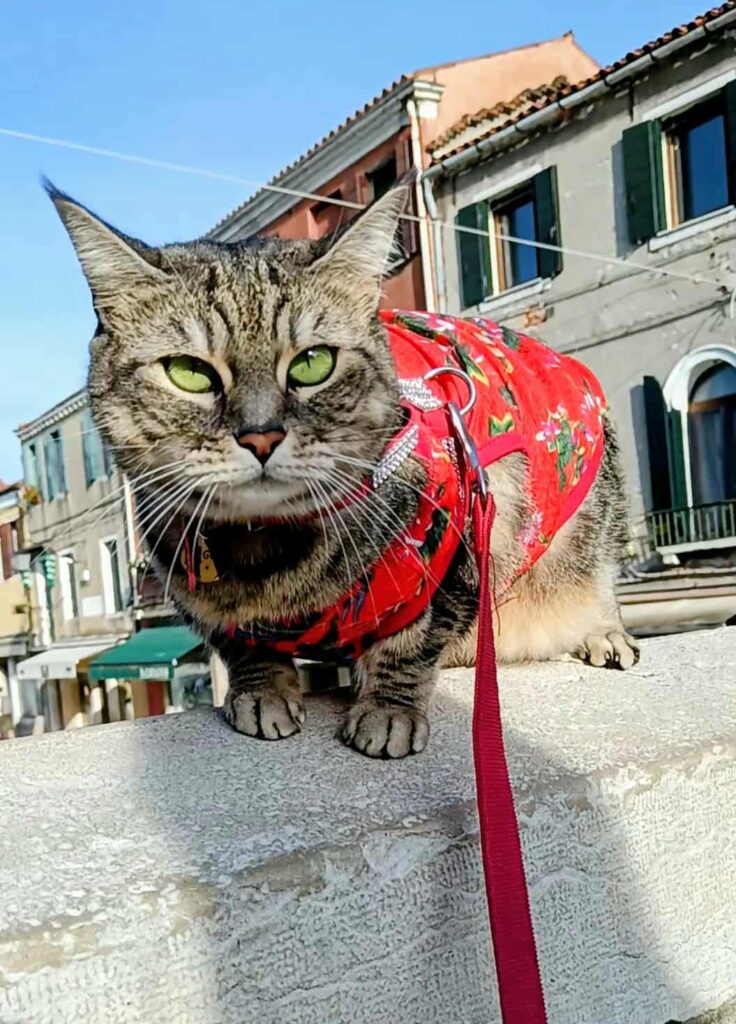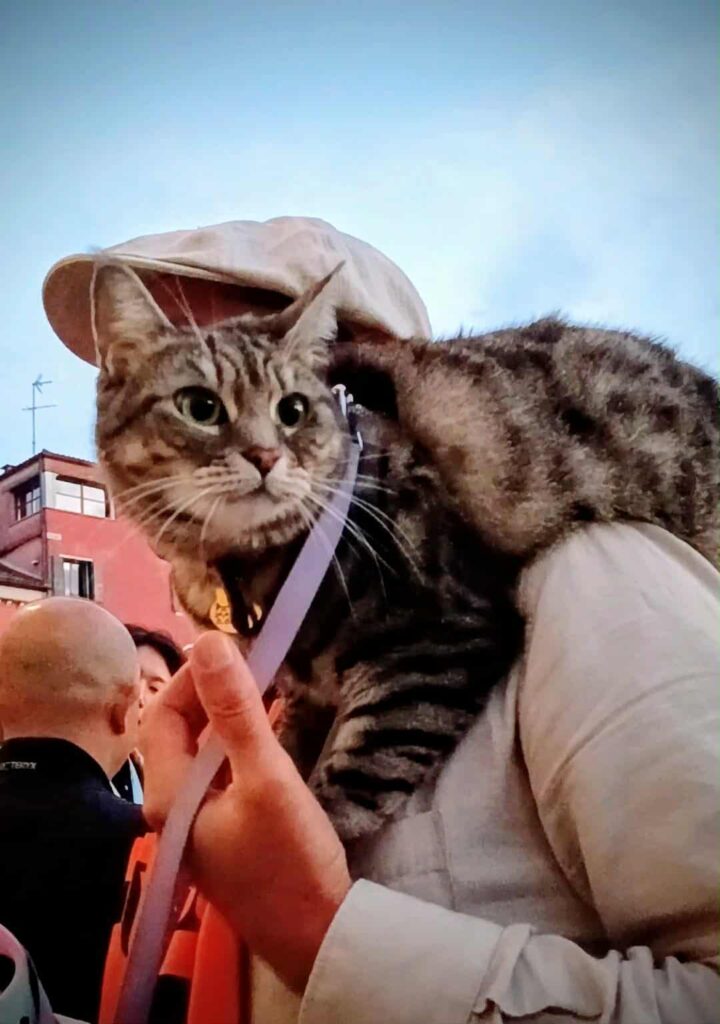

gigia
Venice City Guide: Carnevale, Culture & Everyday Life Beyond the Crowds

Venice City Guide: Carnevale, Culture & Everyday Life Beyond the Crowds

“Venice during Carnevale is not merely a festival — it’s a city negotiating between performance and daily life, where masked figures share cobblestones with grandmothers carrying groceries.”
— Gigia

Venice is one of the world’s most recognizable cities — a place of canals, palaces, hidden courtyards, and shifting reflections that has fascinated travelers for centuries. Yet beyond the postcard imagery of gondolas and Piazza San Marco lies a more layered reality: a living city shaped by neighborhood rhythms, local traditions, and everyday Venetian life.

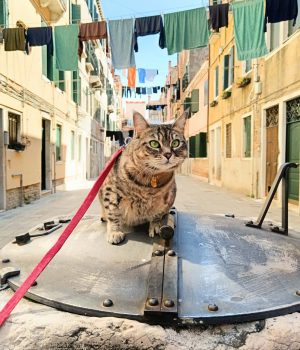
For many visitors, Venice becomes a checklist of monuments. But the city reveals itself most fully through slower exploration — wandering quiet calli, pausing in neighborhood bacari, observing laundry lines stretched above narrow canals, and noticing how ordinary life continues even within one of the world’s most theatrical urban settings.

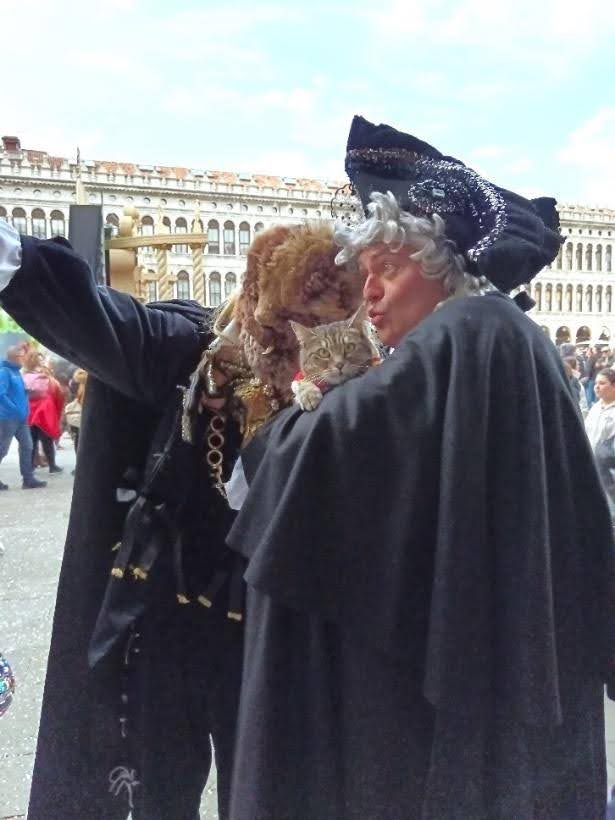
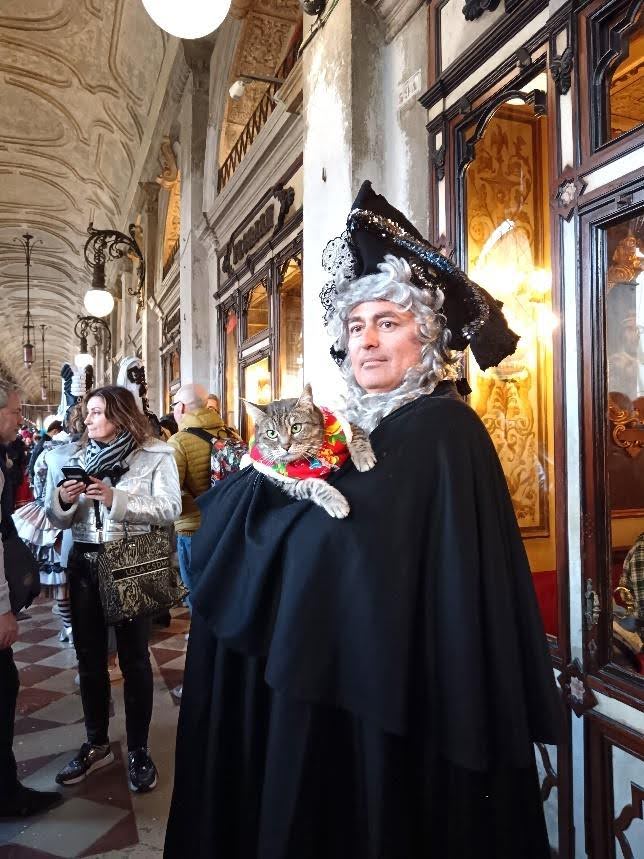
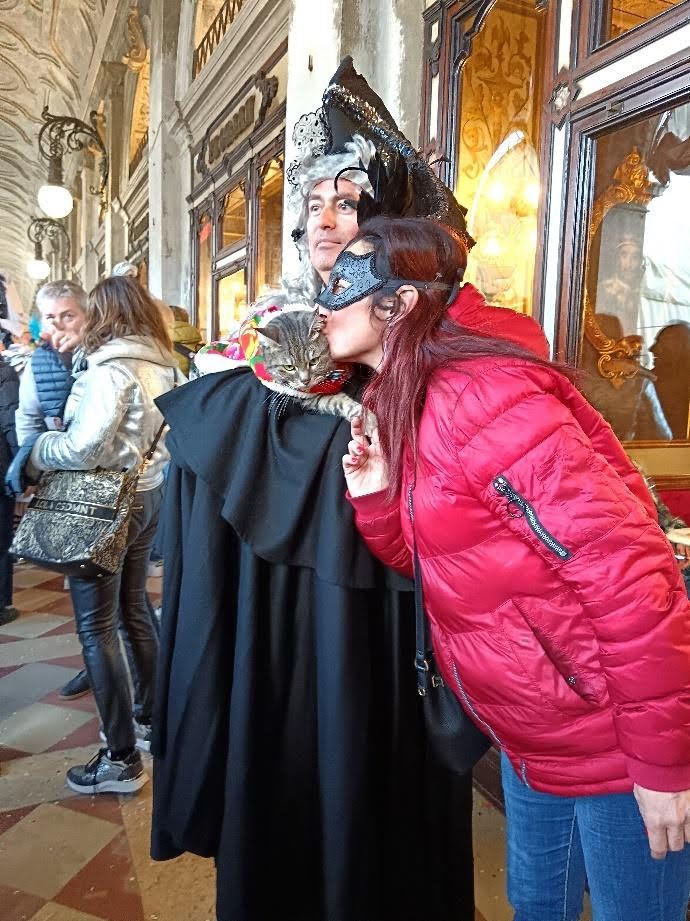
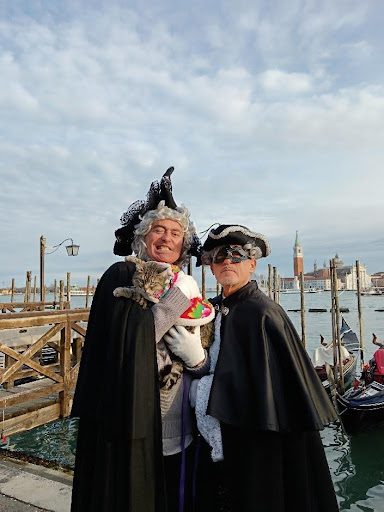
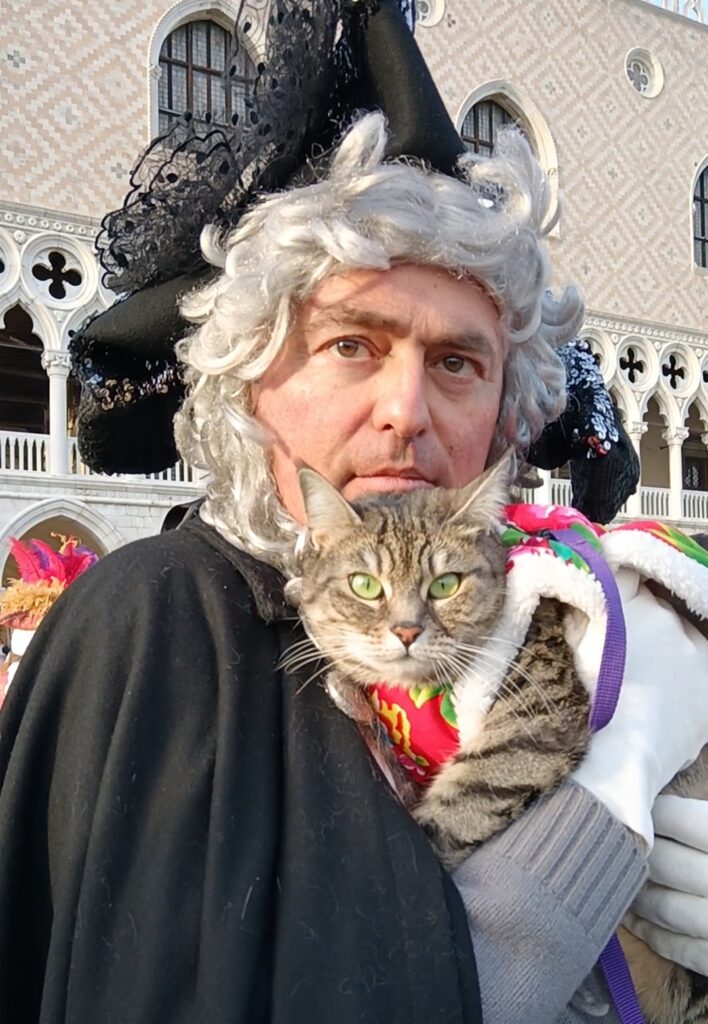
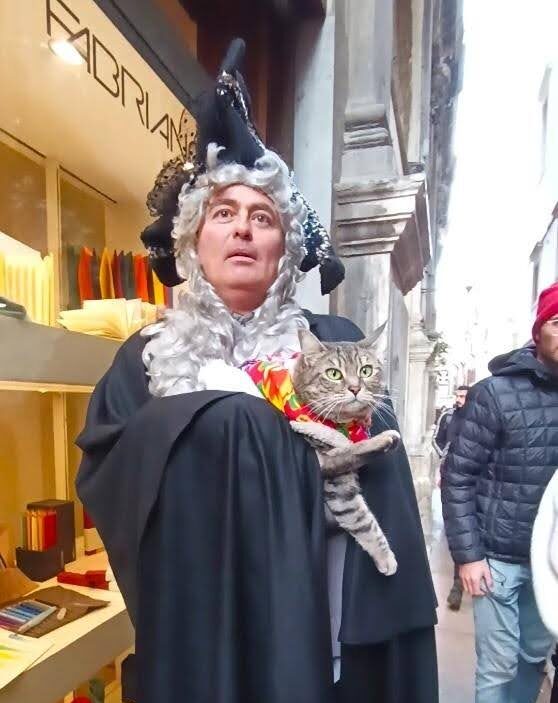
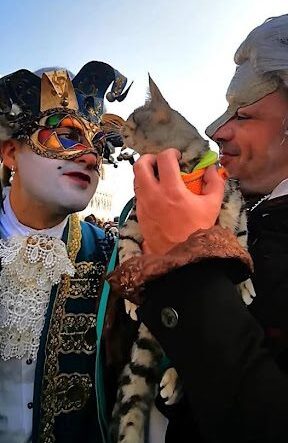
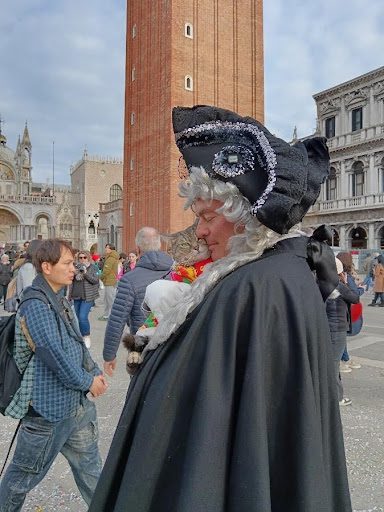
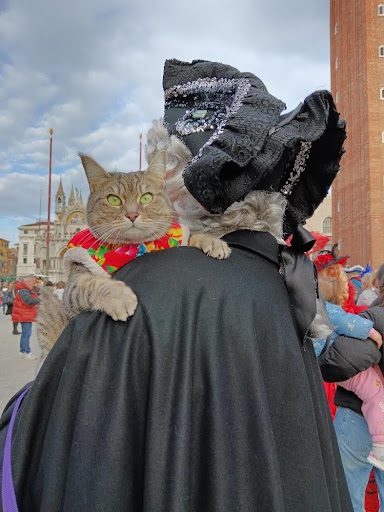
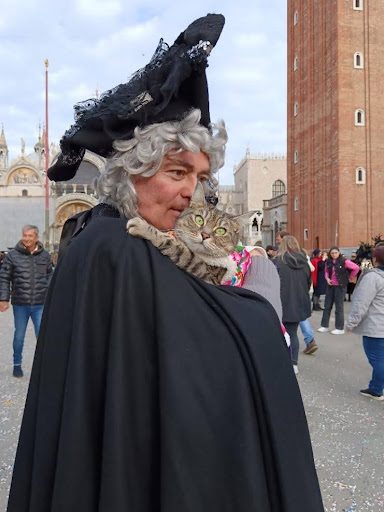
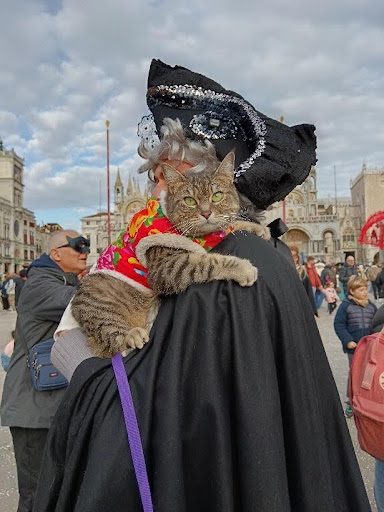
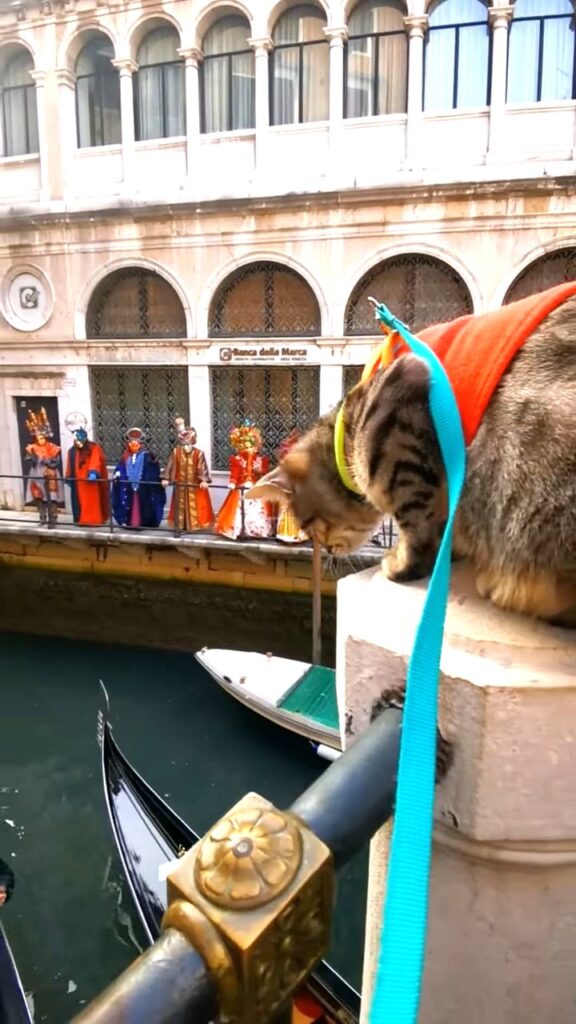
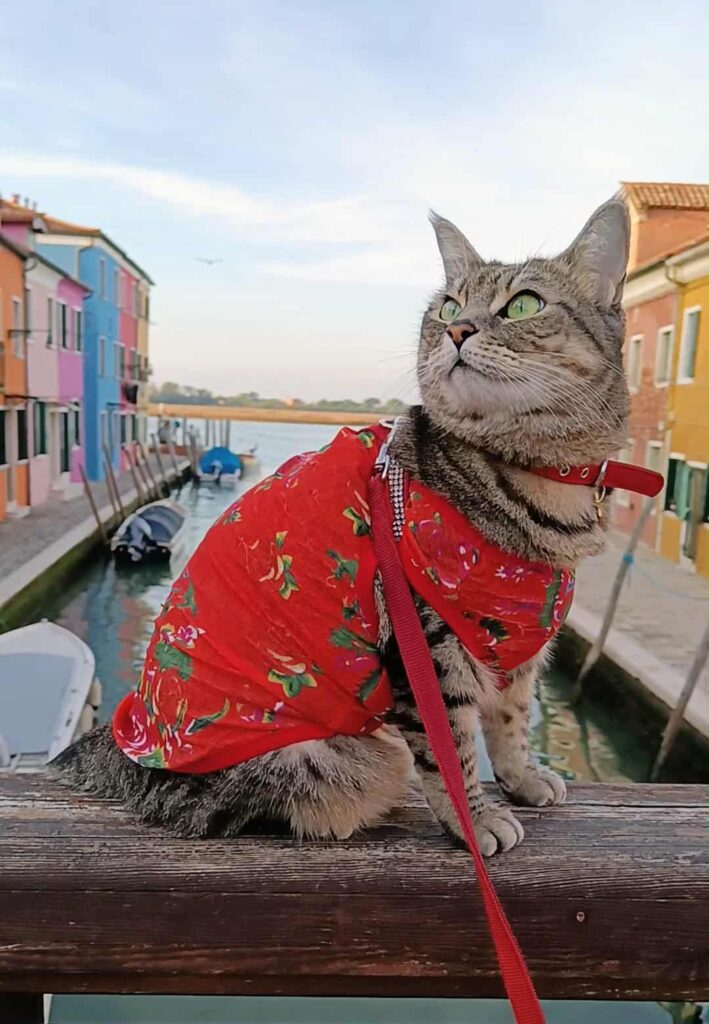
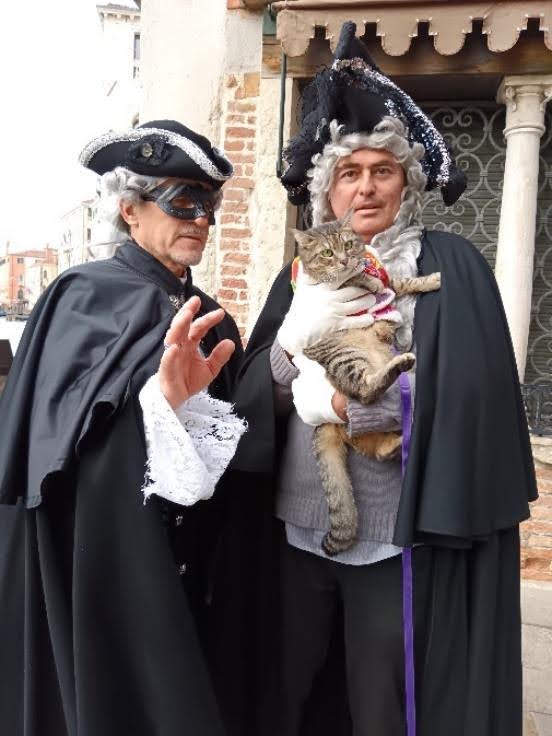
Gigia visited Venice during Carnevale 2025, when masked figures filled the calli and Piazza San Marco transformed into a shifting stage of silk capes, powdered wigs, and elaborate bauta masks. Yet the most memorable moments often happened away from the major landmarks — in quieter neighborhoods where festival spectacle blended naturally into daily routine.

🐾 Planning a trip with your feline companion? Explore our Cat-Friendly Venice Guide and discover the best Cat-Friendly Hotels in Venice for a more comfortable stay.

Why Venice Feels Unlike Anywhere Else

Venice operates according to entirely different spatial logic from almost every other city in Europe.

There are:

  • no cars
  • no traffic lights
  • no conventional streets
  • no direct routes

Movement happens on foot and by water. Deliveries arrive by boat. Ambulances navigate canals. Everyday life unfolds across bridges, alleyways, campi, and floating walkways suspended above the lagoon.

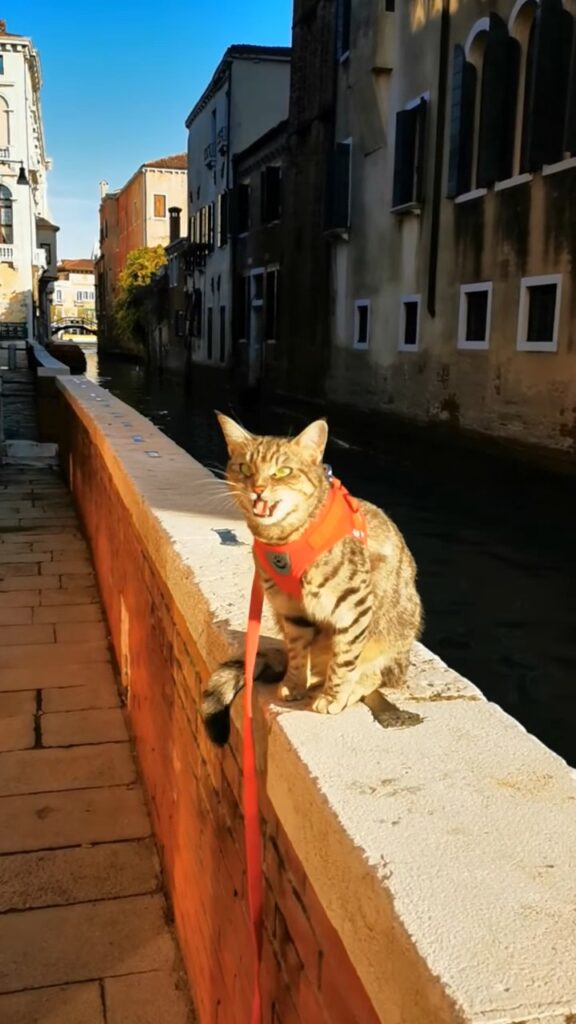
This unusual urban structure creates an atmosphere unlike anywhere else in Italy. Sound behaves differently here. Footsteps echo through narrow passages. Light reflects upward from canals onto stone facades. Even silence feels amplified.

During Carnevale, these qualities become even more pronounced. Costumed figures emerge suddenly from shadowed alleys, disappear into crowds, then reappear beneath Renaissance archways as if the city itself were directing the performance.

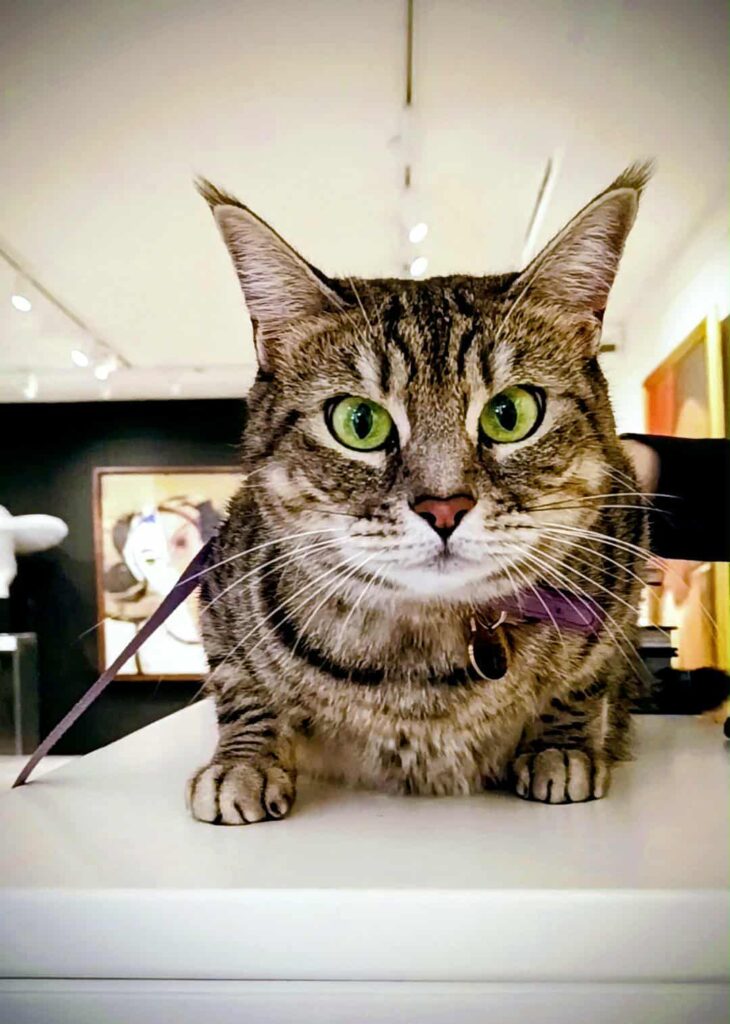
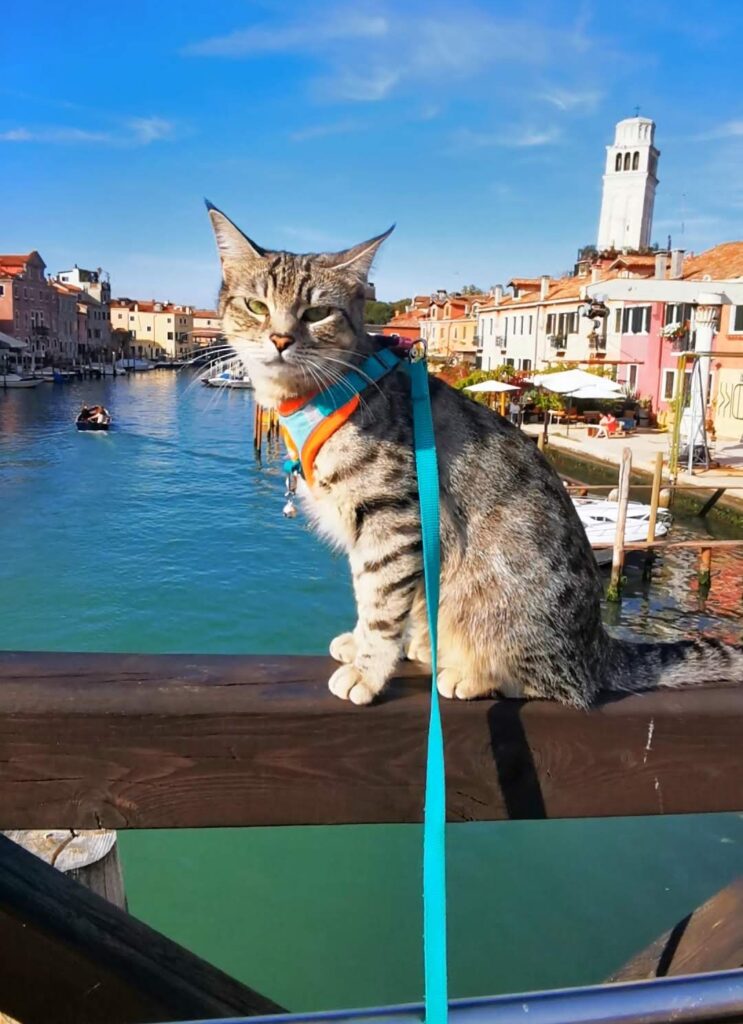
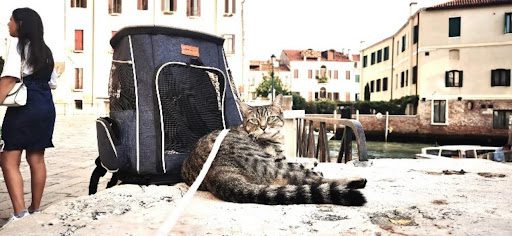
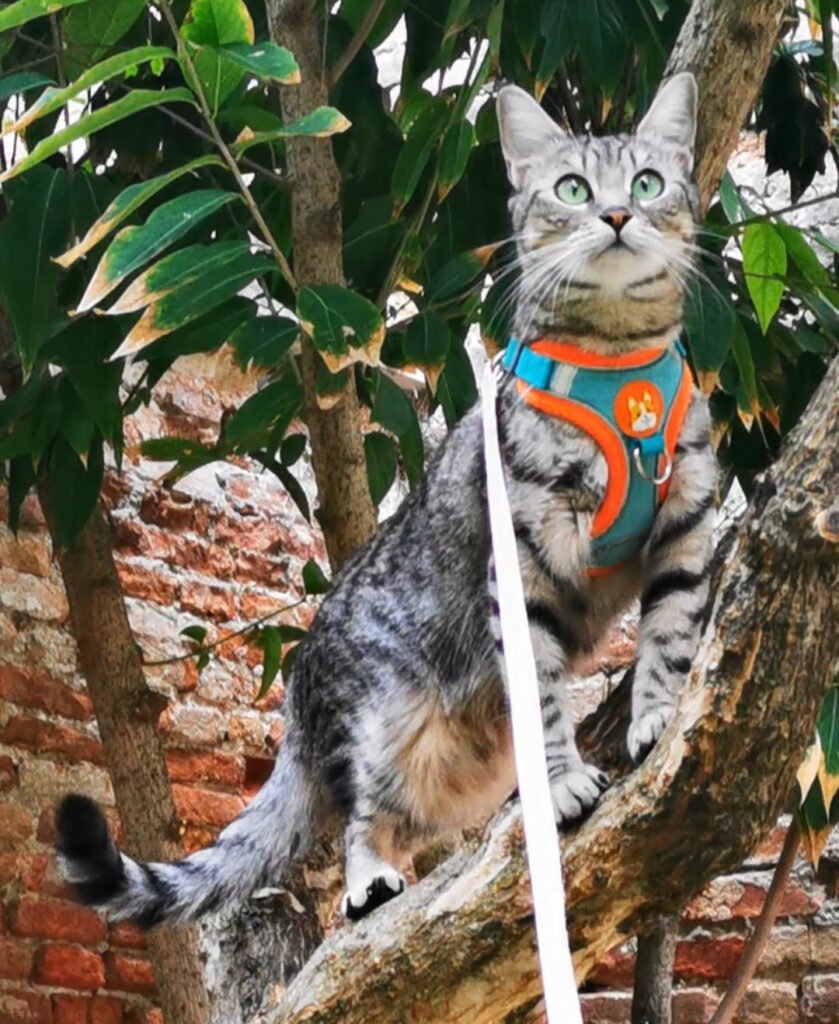
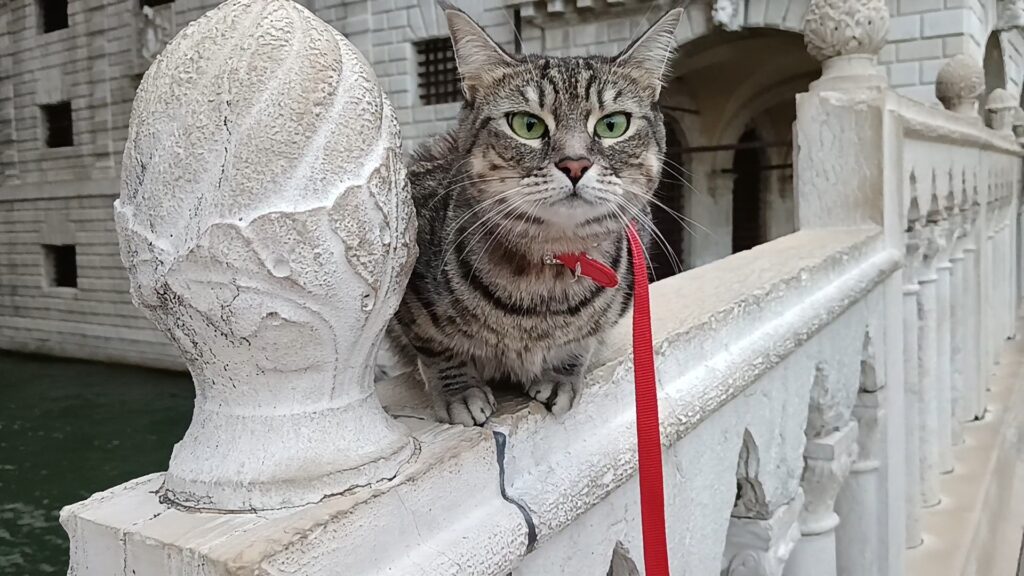
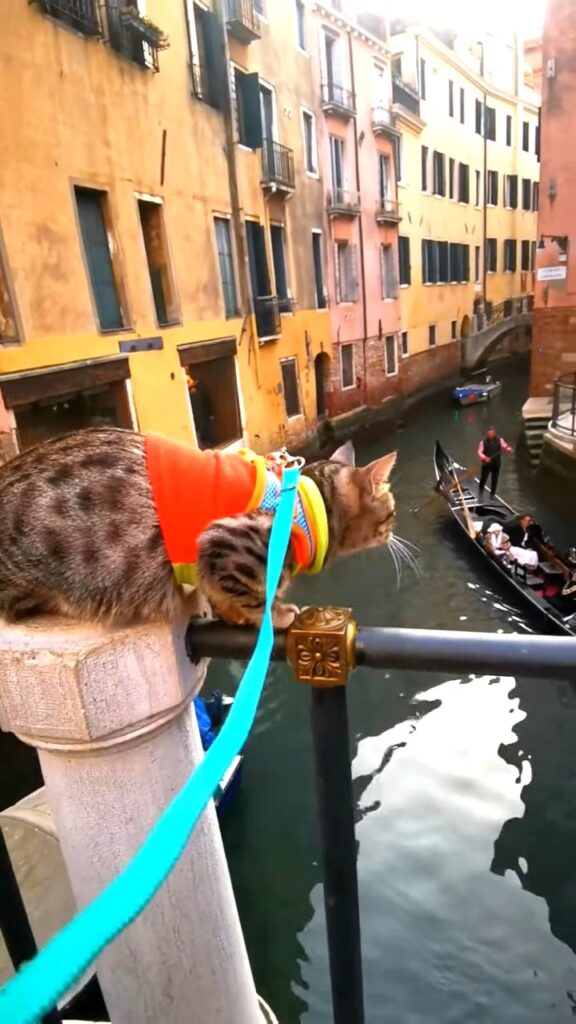
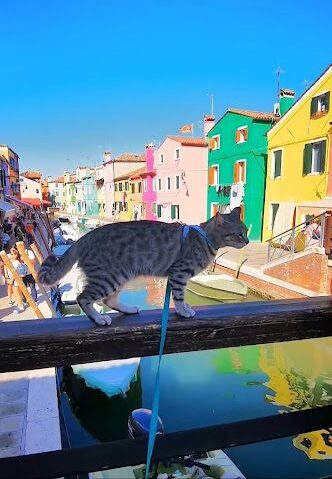
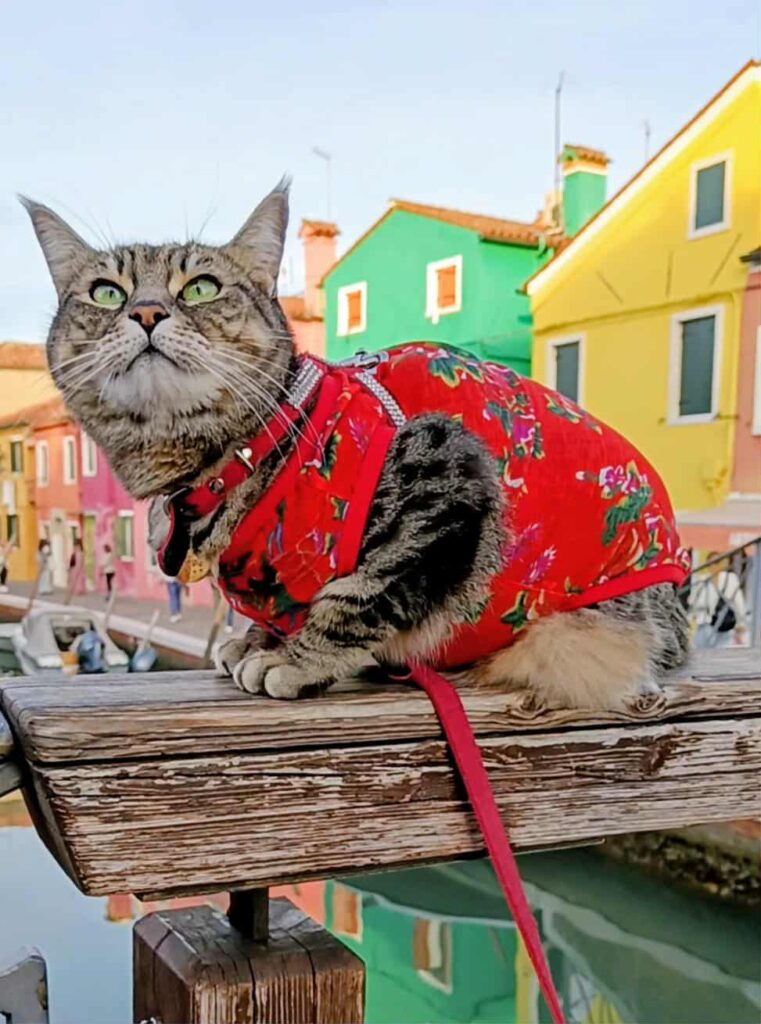
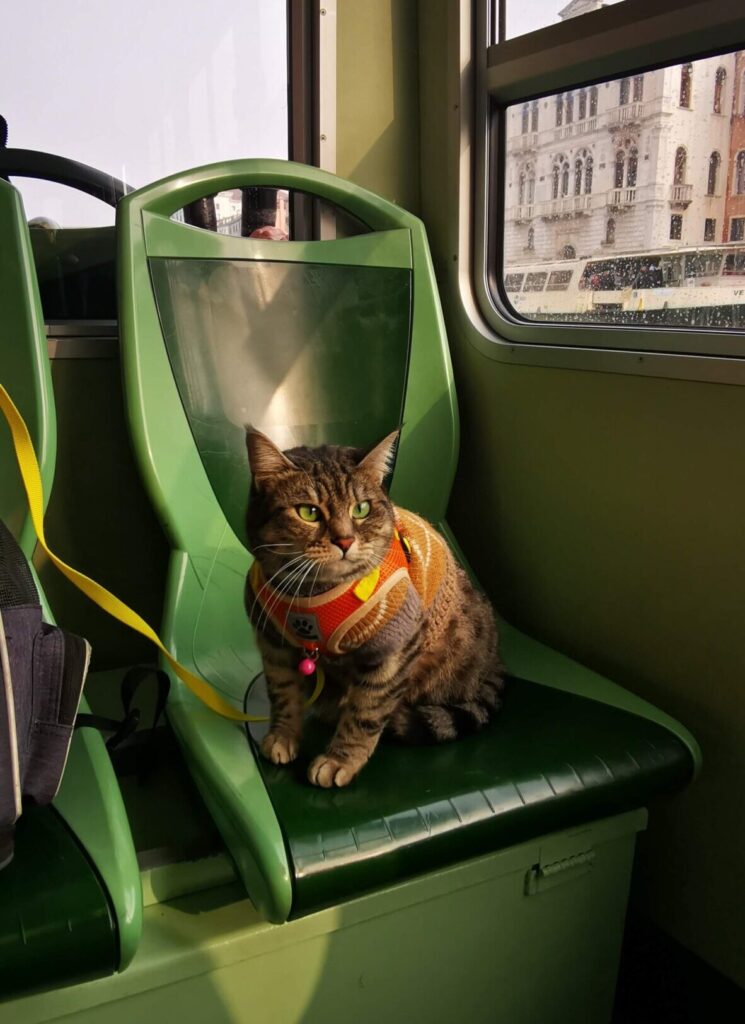
Gigia, naturally, treated the entire situation as perfectly normal.

“The humans seem unusually decorative today.”
— Gigia

Venice During Carnevale: Beyond Piazza San Marco

Carnevale is often associated with Piazza San Marco and heavily photographed costume parades. But the festival becomes far more interesting beyond the main tourist concentrations.

In residential districts, masked Venetians gather outside neighborhood osterie, pause for ombra wine breaks, and move through ordinary daily routines while dressed like 18th-century nobility.

The contrast is what makes Venice extraordinary:

  • elaborate brocade beside weathered brick walls
  • powdered wigs crossing grocery carts
  • masked aristocrats sharing narrow bridges with delivery workers

Away from the densest crowds, Venice feels less staged and more deeply authentic.

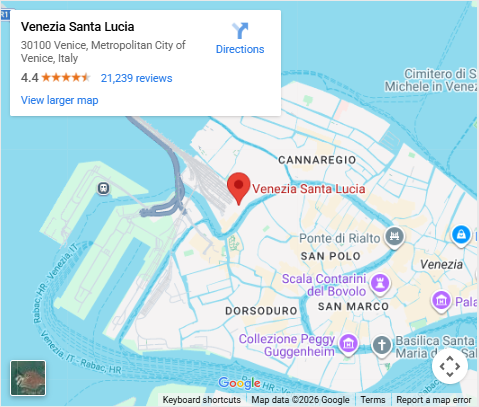
🎭 San Polo

One of Venice’s liveliest historic districts, where residential life and festival energy intersect naturally around small campi and neighborhood bacari.

🏛️ Cannaregio

A quieter, more local Venice filled with canalside wine bars, artisan shops, and residents who continue daily life largely unimpressed by the surrounding spectacle.

⚓ Castello

Less crowded and more spacious than central Venice, Castello reveals a slower side of the city where Carnevale blends almost seamlessly into neighborhood rhythms.

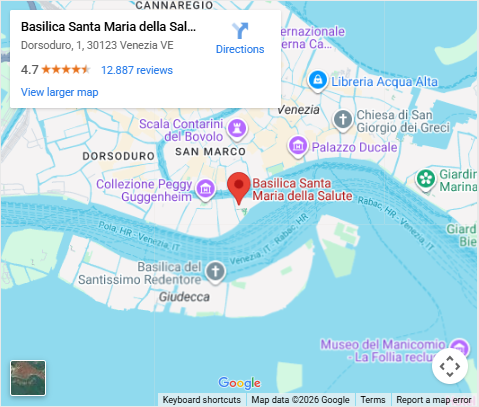
🎨 Dorsoduro

Home to students, galleries, and quieter canals, Dorsoduro offers a more bohemian atmosphere during Carnevale, especially in the late afternoon.

For traditional wine bars and cicchetti during Carnevale, explore our Venice Bacari Guide.

A Practical Reality: Venice Has Almost No Green Space

Venice is built from stone, brick, marble, and water. Public grass is rare. Trees appear sporadically. Even small plants become surprisingly noticeable within the dense urban landscape.

🌿 During Carnevale, this architectural reality unexpectedly became part of the story.

While masked revelers debated historical costume accuracy and waiters maneuvered carefully through crowded alleyways, we encountered what felt like a botanical miracle in central Venice: a solitary potted plant positioned outside a small osteria along a narrow calle.

It briefly became the center of attention.

The scene was less scandal than spontaneous street theatre — a perfect example of how Venice constantly negotiates between performance and practicality. A concerned waiter intervened, tourists laughed, and local Venetians remained characteristically unfazed.

“An impressive plant. Strategically positioned. Understandably protected.”
— Gigia

Observing Venice in Motion

One of the most fascinating aspects of Venice during Carnevale is not the costumes themselves, but the public response surrounding them.

Tourists stop to photograph everything.
Locals continue carrying groceries.
Waiters defend restaurant thresholds with military precision.
Gondoliers observe silently from canal edges.

Within a single narrow street, spectacle, indifference, irritation, beauty, and humor coexist naturally.

Venice has always balanced these dual identities: living city and cultural stage set. Carnevale simply amplifies both.

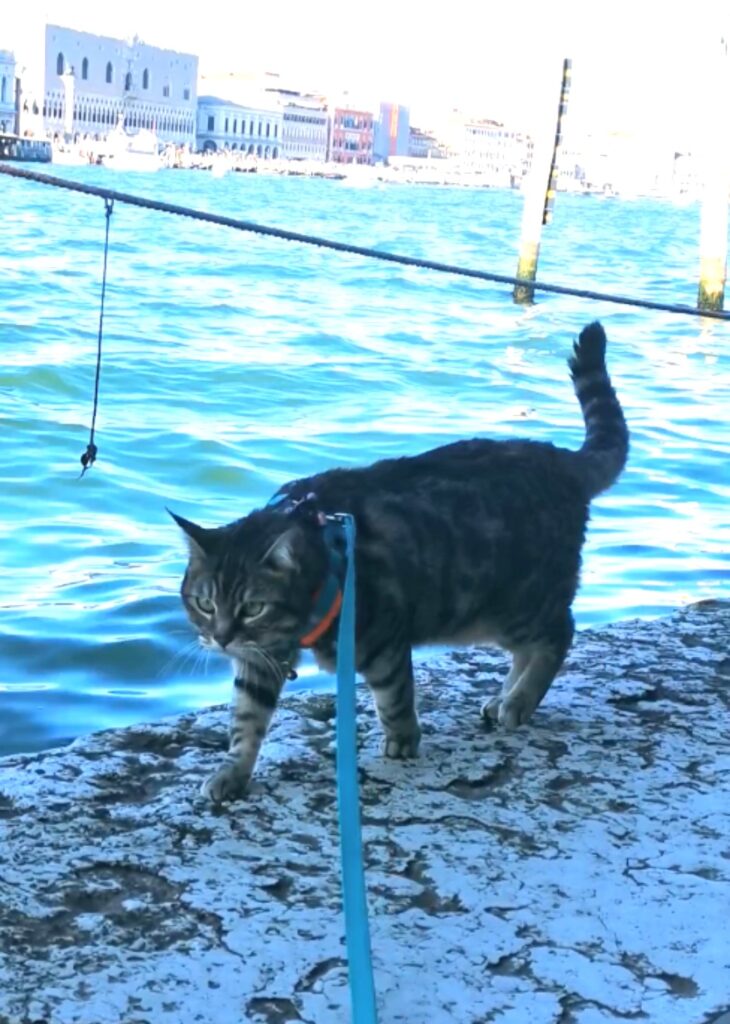
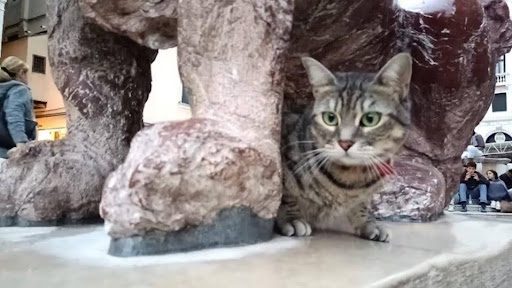
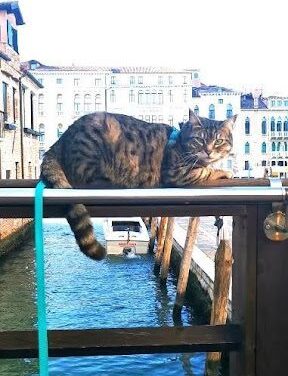
“The cats of Venice remained entirely unimpressed by the festivities. One passing tabby gave a costumed Harlequin exactly the same dismissive glance it would offer any tourist — perhaps the most Venetian reaction possible.”
— Gigia

Best Times to Experience Venice

Venice changes dramatically throughout the year.

🎭 Carnevale (February)
The city becomes theatrical, crowded, and visually extraordinary — ideal for photography and cultural atmosphere.
🌸 Early Spring
Cool temperatures, softer light, and fewer crowds create excellent conditions for slower exploration.
🌅 Autumn
Fog rolling across canals transforms Venice into something quieter and more cinematic.
❄️ Winter
Perhaps Venice’s most underrated season: peaceful neighborhoods, reflective lagoon light, and dramatically reduced visitor density.

Summer remains beautiful but considerably more crowded, especially around San Marco and Rialto.

Experiencing Venice Thoughtfully

Venice rewards slower, more observant travel.

If visiting during Carnevale:

  • explore early mornings or late afternoons
  • avoid peak congestion between 11 AM and 3 PM
  • spend time in quieter sestieri such as Cannaregio or Castello
  • combine sightseeing with neighborhood bacari visits
  • book accommodation well in advance

For accommodation strategy during busy periods, see our Venice Accommodation Guide.

Travelers seeking a quieter base with easier logistics may also appreciate our guide to Mestre & Marghera: Venice Beyond the Canals.

For broader regional context, explore the Veneto Region Guide and the Venice Province Guide.

Venice as Living Theatre

Venice does not require embellishment. Its architecture already creates drama; Carnevale simply intensifies it.

The city rewards those who notice details:

  • footsteps echoing through narrow alleys
  • costumes turning corners into tableaux
  • café conversations drifting across canals
  • the quiet return to normality once the masks disappear

Beyond the famous monuments lies a more subtle Venice — one still shaped by local life, neighborhood traditions, and rhythms that tourists only occasionally notice.

“The palaces are impressive. The masks are entertaining. But the true achievement remains convincing waiters to deliver water service promptly.”
— Gigia