
Venice’s Bacari Trail: Cicchetti, Tradition, and Local Rituals
Venice is often reduced to crowded canals and high-priced tourist menus. Yet beyond the €20 fixed lunches and inflated spritzes, another Venice persists — one shaped by marble counters, handwritten wine lists, and the quiet rhythm of neighborhood bacari.
This is the Venice of cicchetti: small, seasonal bites served alongside an ombra of wine. It is a tradition rooted not in spectacle, but in repetition — fishermen stopping in after the market, students debating politics over crostini, and bartenders who know their regulars by name.
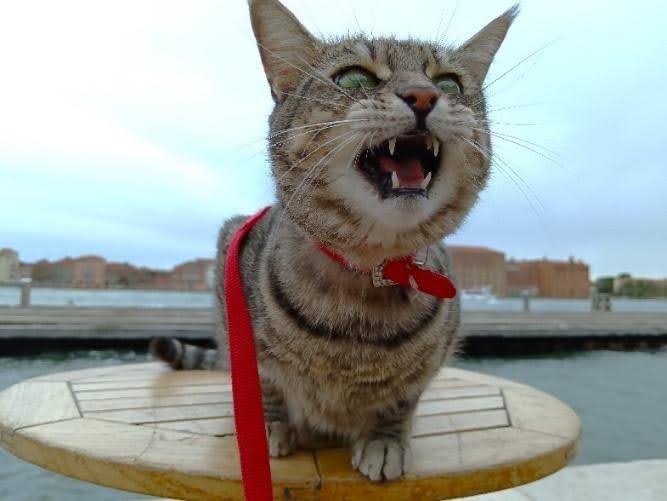
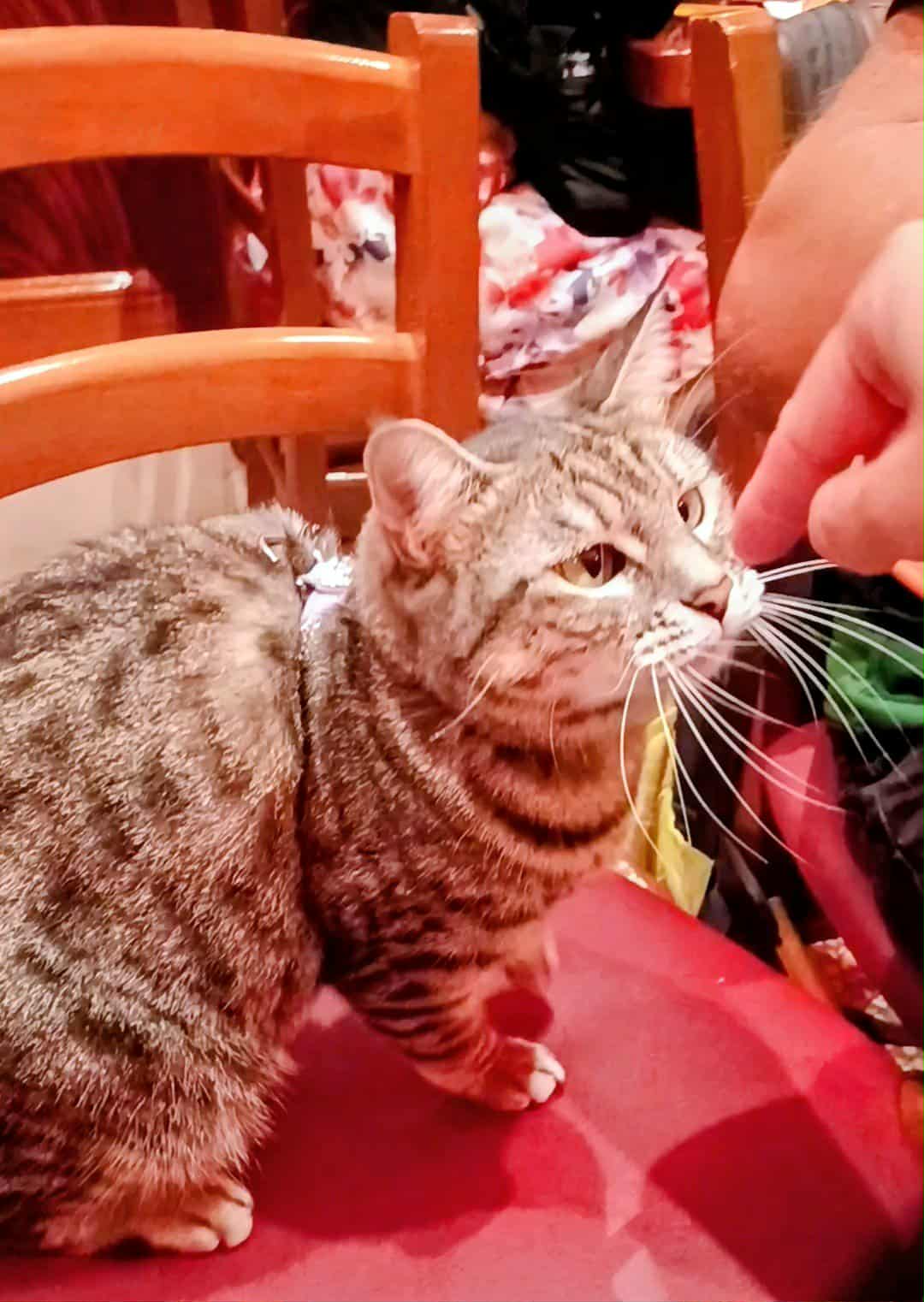
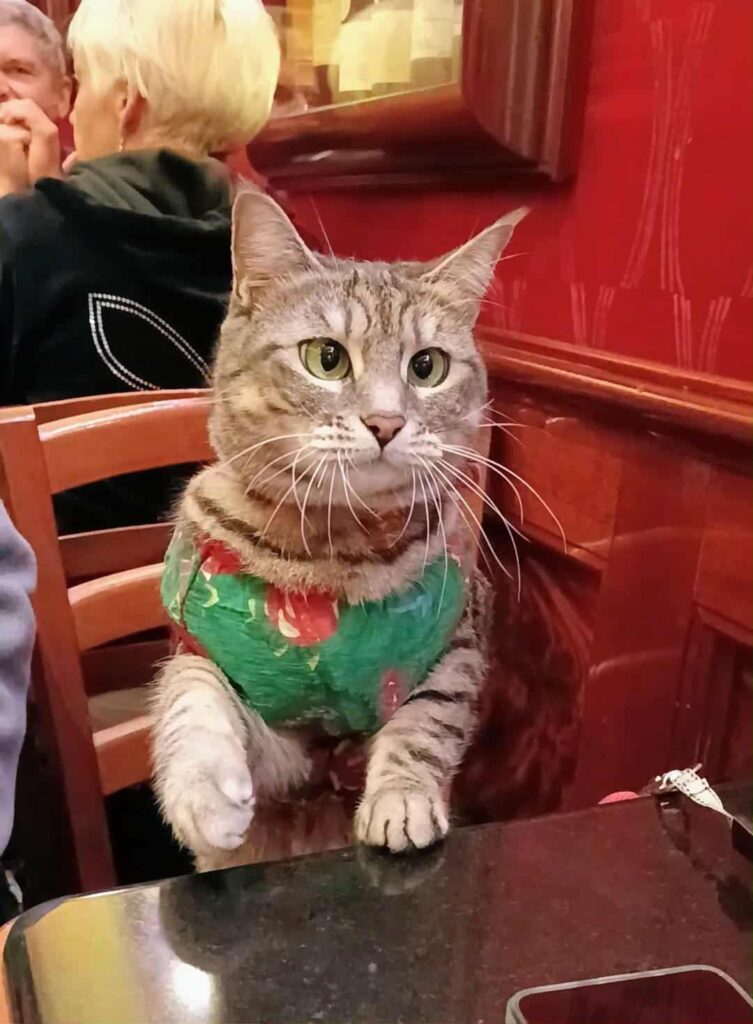
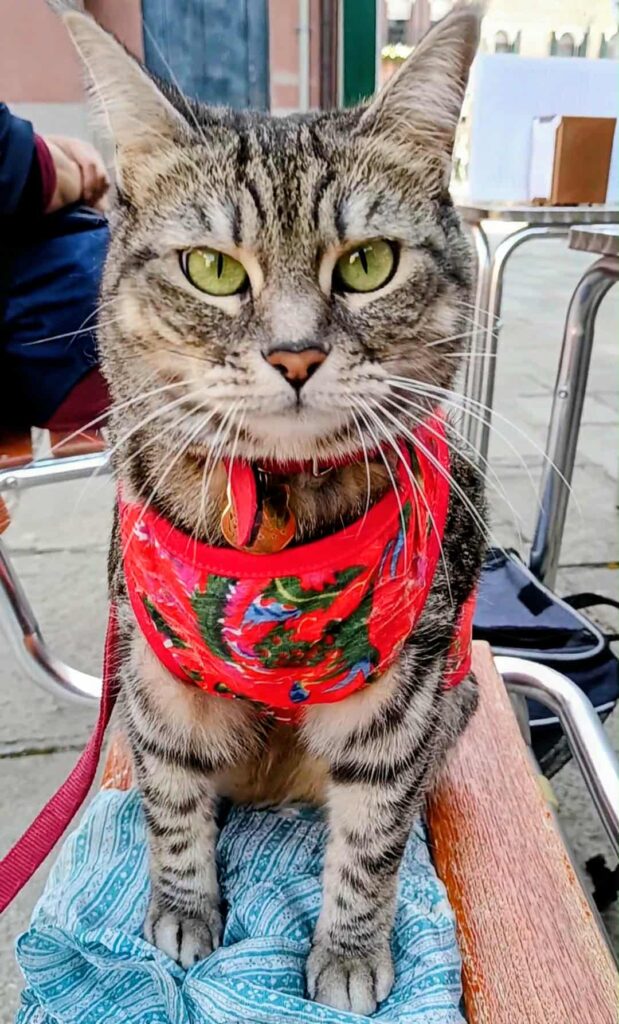
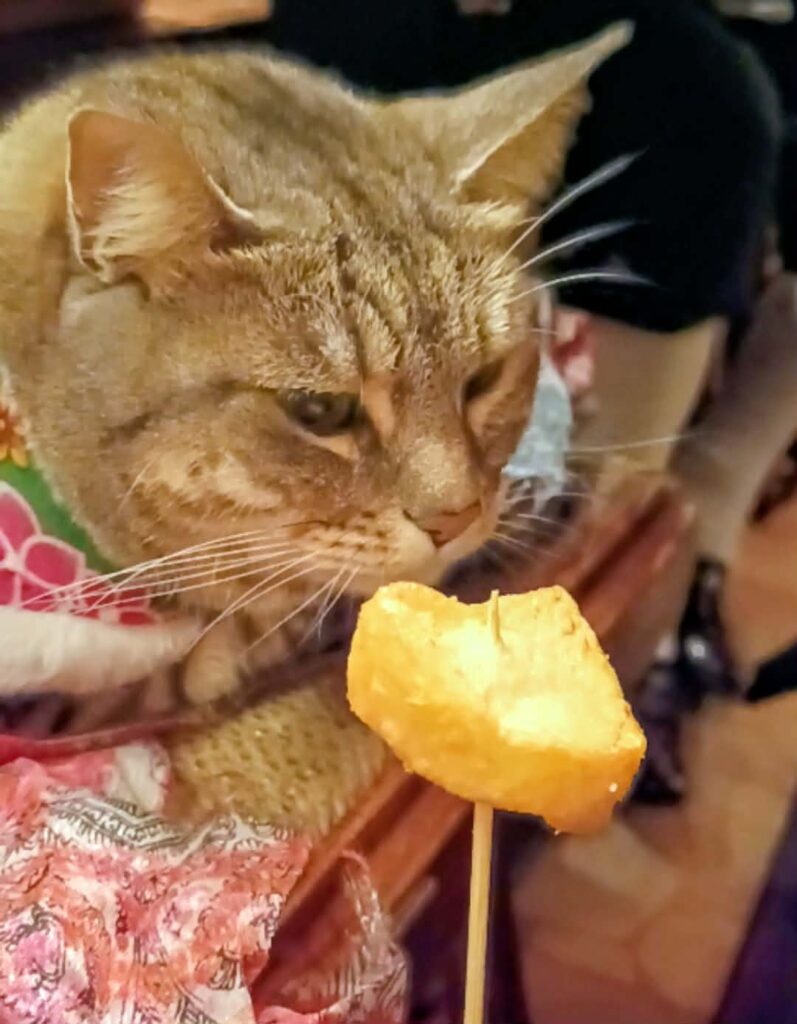
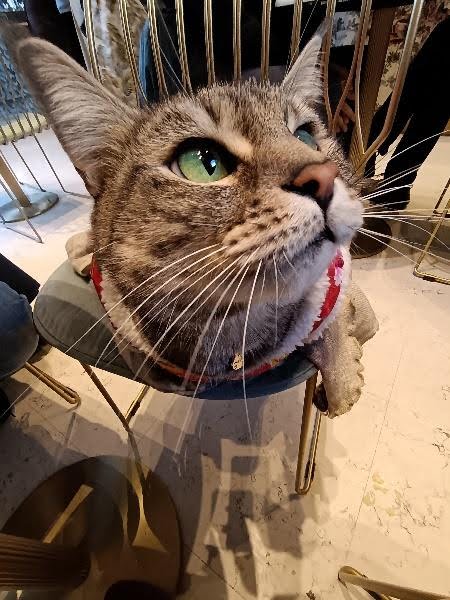
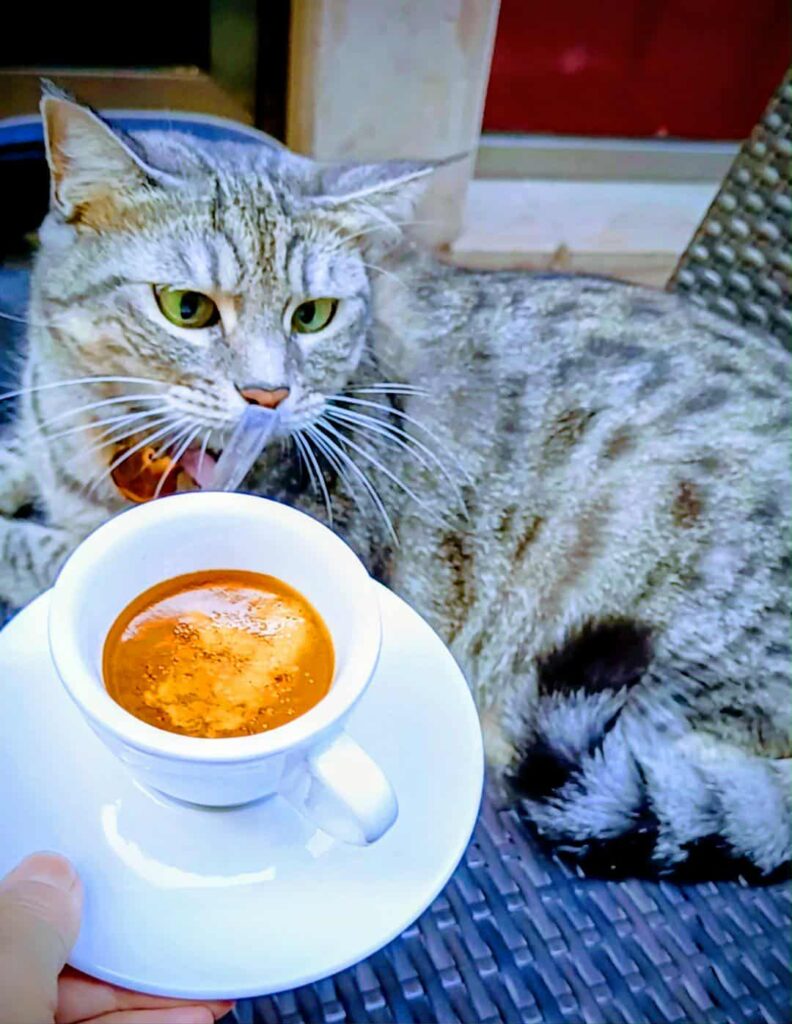
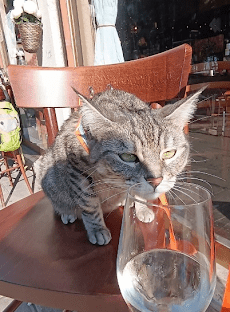
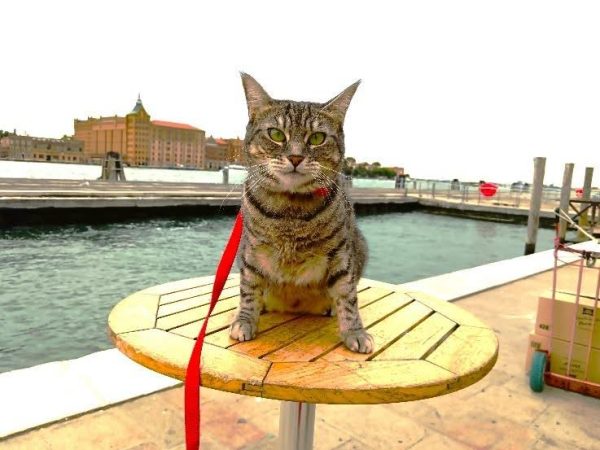
Gigia experienced this side of Venice firsthand, moving through historic districts where hospitality still feels local rather than performative.
What Is a Bacaro?
A bacaro is Venice’s traditional wine bar — informal, compact, and centered around cicchetti displayed across the counter. Unlike sit-down restaurants, bacari are built for movement: one bite, one glass, then on to the next stop.
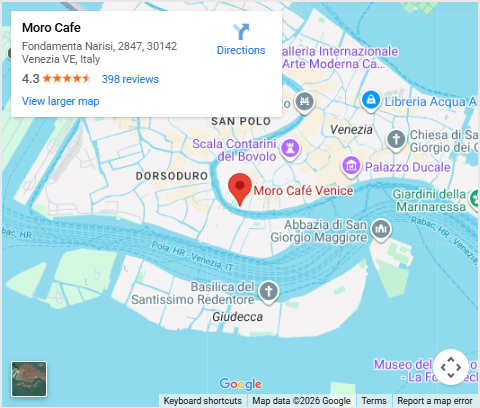
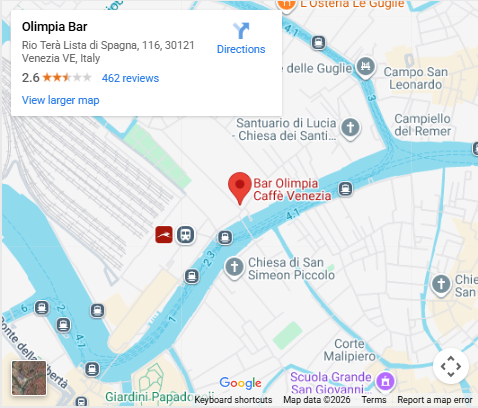
In districts such as San Polo, Castello, and Dorsoduro, this culture remains visible, though increasingly popular with visitors.
Historic Bacari Worth Seeking Out
Some establishments preserve traditions that stretch back centuries.
- All’Arco — known for carefully assembled seasonal cicchetti near the Rialto market.
- Cantina Aziende Agricole (Do Mori) — one of Venice’s oldest bacari, serving small panini often referred to as francobolli.
- Cantina Do Spade — dating back to the 15th century, known for simple plates and continuity rather than reinvention.
- Osteria al Portego — a lively counter culture spot frequented by locals and gondoliers.
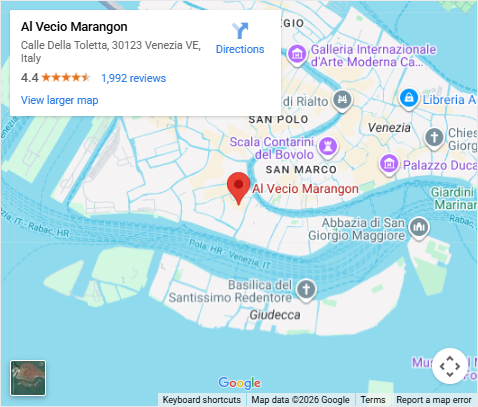
- Bar Alla Toletta — popular with students, offering affordable crostini in Dorsoduro.
These places vary in atmosphere — some crowded and energetic, others quieter — but all reflect fragments of a culinary rhythm that predates modern tourism.
The Question of Fragolino
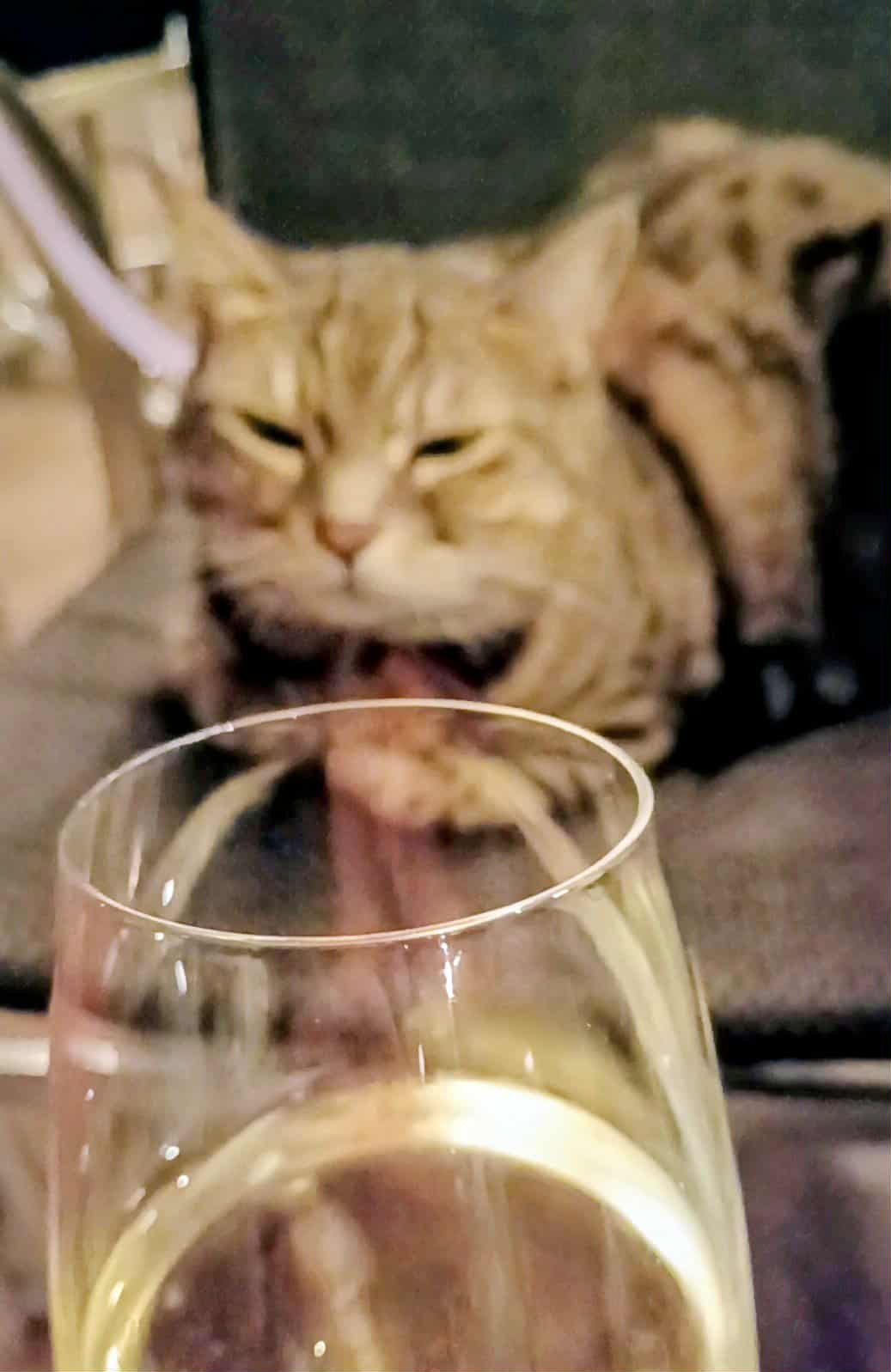
Fragolino, a strawberry-scented wine historically associated with northern Italy, occupies a curious place in local lore. While commercial production is restricted under EU regulations, variations and interpretations still appear in informal settings.
In Venice, ordering a glass sometimes feels less about the beverage itself and more about participating in a shared cultural memory.
Changing Rhythms in the City
Venice’s social fabric has evolved. Winter once meant quiet squares and half-empty wine bars. Today, even off-season months can feel animated.
Yet attentive visitors can still find pockets of authenticity — particularly by observing where local workers go after shifts, or by venturing a few streets away from primary tourist arteries.
Experiencing Venice Thoughtfully
Venice rewards slower exploration. Rather than focusing on checklist attractions, consider:
- Visiting bacari outside peak lunch hours
- Exploring neighborhoods beyond San Marco
- Pairing cicchetti stops with walks along lesser-used canals
For accommodation strategies in Venice and across Italy, see our guide to booking cat-friendly accommodation in Venice and using platforms like Booking and Airbnb effectively.
For a broader regional context, explore our Veneto Region guide to understand how Venice connects to Treviso, the Adriatic coast, and surrounding mainland towns.
If you’re planning a visit during festival periods, see our guide to Carnevale and other seasonal events in Venice.
Venice Beyond the Postcard
Venice’s enduring strength lies not in spectacle but in ritual — the small glass of wine, the exchange across a narrow counter, the seasonal bite prepared with care.
Gigia’s presence in these spaces was never about performance. It was about observing how traditional environments adapt — and sometimes resist — the pressures of modern travel.
The bacari trail remains one of the most revealing ways to understand Venice: not as a museum, but as a living, changing city.
If you’re planning a stay near these traditional wine bars, see our guide to booking cat-friendly accommodation in Venice.