Piedmont: Royal Residences, Alpine Valleys & the Kingdom of Barolo
The first place I worked in Italy was Biella, in the foothills of the Piedmontese Alps. I was younger then, fresh from business school, still learning the particular rhythm of life in the northern provinces. Nearly thirty years later, Gigia and I passed through on our way back from San Remo — a quick stopover, nothing more. It took us four more years to return properly.
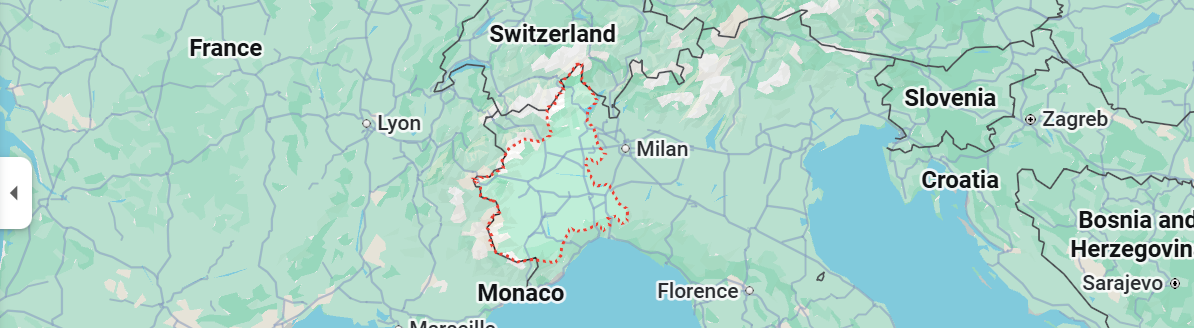
Piedmont, one of northern Italy’s most elegant and underrated regions, rewards the patient.
A landscape of royal hunting lodges, vineyard-covered hills, alpine valleys, and slow rivers — somehow less crowded than Tuscany, less frantic than the coast, and more deeply itself than almost anywhere else in the north.
The initiated keep quiet about it, and for good reason.
Why Piedmont Is One of Italy’s Most Underrated Regions
Unlike many of Italy’s more famous destinations, Piedmont still feels remarkably authentic.
Travel here unfolds more slowly:
- vineyard roads instead of tourist queues
- mountain villages instead of resort crowds
- family-run trattorias instead of polished tourist menus
It is a region built for slow travel — for lingering over wine, walking historic streets, and discovering places that feel lived in rather than staged.
For travelers seeking a quieter and more sophisticated side of northern Italy, Piedmont offers one of the country’s richest experiences.
Royal Residences of the House of Savoy
The royal residences of the Savoy dynasty are scattered across Piedmont like a family album of power and ambition.
The Venaria Reale alone rivals Versailles:
- grand galleries
- baroque gardens
- sweeping ceremonial halls
- and elaborate hunting grounds once used by the royal court
Throughout the region, palaces, castles, and aristocratic villas reveal the political importance Piedmont once held as the heart of the Savoy kingdom and the birthplace of modern Italy. For more information, visit the UNESCO Savoy Residences page.
And according to Gigia, many of the palace walls remain highly climbable.
The Langhe, Roero & Monferrato Wine Hills
The UNESCO-listed vineyard landscapes of Langhe, Roero, and Monferrato form one of the world’s great wine regions.
These hills produce:
- Barolo
- Barbaresco
- Barbera
- Nebbiolo
- and generations of fiercely protected winemaking tradition
The same families have cultivated these slopes for centuries, ageing wines in cool stone cellars and maintaining a continuity that feels increasingly rare in modern Europe.
In autumn, Alba fills with the unmistakable scent of the White Truffle Fair, where truffle hunters emerge from the woods carrying knobbly treasures destined for fresh tajarin pasta and candlelit trattorias.
For wine touring, explore the Barolo wine consortium, Barbaresco wine consortium, and Barolo Wine Road.
Alpine Valleys & Mountain Villages
Beyond the vineyards, Piedmont stretches upward into the Cottian and Graian Alps.
Here, the landscape changes dramatically:
- stone villages
- pine forests
- mountain rifugi
- waterfalls and alpine trails
- and quiet valleys reaching toward the French border
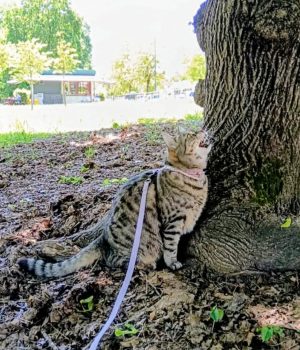
The air smells of woodsmoke and pine resin. Silence settles naturally across the mountains, interrupted only by distant cowbells, rivers, and the occasional disapproving flick of a cat’s tail.
Compared to the Dolomites further east, these alpine valleys remain wonderfully understated.
For Gigia, they provided ideal conditions for high-altitude territorial supervision.
Lake Maggiore & the Borromean Islands
Lake Maggiore completes the Piedmont landscape with a more aristocratic elegance.
Its famous Borromean Islands rise from the water like scenes from a Renaissance painting:
- Isola Bella with its terraced gardens
- Isola Madre with roaming peacocks
- Isola dei Pescatori with fishermen’s trattorias and lakeside promenades
The atmosphere feels polished yet surprisingly relaxed — especially for travelers arriving by ferry with a feline companion. For more information, visit Stresa tourism.
Gigia inspected the lake with great seriousness and concluded that moving water is acceptable provided sufficient lounging opportunities exist nearby.
Turin: Italy’s Elegant First Capital
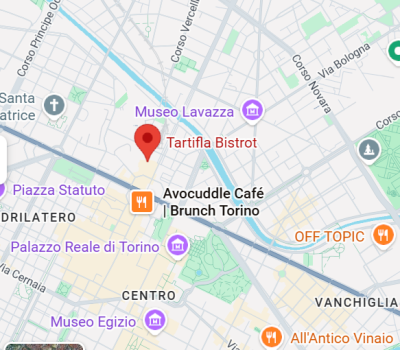
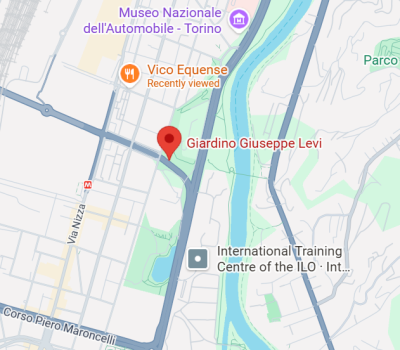
All of which brings us, eventually, to Turin — Italy’s first capital and one of Europe’s most refined urban centers.
Elegant arcades stretch for nearly eighteen kilometres across the city, connecting royal palaces, historic cafés, bookshops, markets, and grand piazzas beneath the shadow of the Mole Antonelliana.
Turin is home to:
- the Egyptian Museum
- the Shroud of Turin
- the Salone Internazionale del Libro
- and one of Italy’s most sophisticated café cultures
It is also, somewhat unexpectedly, an extremely cat-tolerant city. Visit the Royal Palace of Turin for more royal history.
And it was here that Gigia discovered the talent she had truly been refining all along was not acrobatics, nor charm, nor even strategic slow blinking.
It was fame.
Traveling Piedmont with a Cat
Piedmont works exceptionally well for slower cat-friendly travel because it combines:
- walkable historic towns
- lower tourist density
- quiet countryside accommodation
- mountain villages
- and relaxed food culture
Compared to faster-paced Italian destinations, the region offers:
- more flexibility
- less noise
- and easier routines for traveling animals
From vineyard agriturismi to alpine villages and lakeside ferries, Piedmont consistently proved calmer and more adaptable than many travelers expect. For more advice, see our guide to traveling Italy with a cat.
Why Visit Piedmont
Piedmont is ideal for travelers interested in:
- wine tourism
- historic towns
- slow travel
- royal history
- mountain landscapes
- and authentic northern Italian culture
It offers the elegance of Tuscany with fewer crowds, the food culture of Emilia-Romagna with stronger alpine influences, and some of Italy’s most rewarding wine regions.
Above all, Piedmont still feels lived in.
Not curated.
Not performative.
Simply itself.
📚 Planning Your Piedmont Adventure
For more on traveling Italy with your feline companion, explore these resources:
Each location includes Gigia-tested insights, local spots, and feline-approved observations — from Turin’s royal palaces to the vineyard hills of Langhe and the alpine silence of Piedmont’s mountains.
Torino
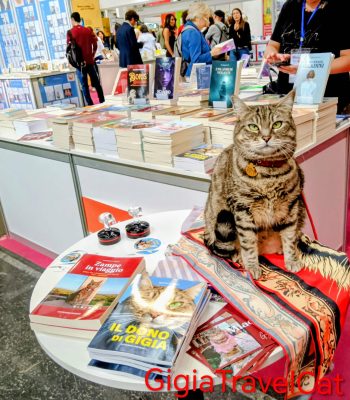
🏛️ Turin: Royal Palaces, Egyptian Treasures & A Cat at the Book Fair
Turin has always carried itself with particular gravity.
As Italy’s first capital, it earned the right.
Wide boulevards, royal palaces, elegant cafés, and nearly eighteen kilometres of arcaded portici give the city a quiet authority unlike anywhere else in Italy. The Mole Antonelliana punctuates the skyline like a stone exclamation mark, while the Museo Egizio holds one of the world’s most important collections of Egyptian antiquities outside Cairo itself.
Turin feels intellectual, aristocratic, and slightly reserved.
None of this had quite prepared the city for Gigia.
📚 The Salone del Libro: Where Gigia Became a Celebrity
By the time we arrived at the Salone Internazionale del Libro di Torino — one of Europe’s largest and most important literary festivals — Gigia was already familiar with public appearances.
She had posed for photographs across northern Italy, attended events from Venice to Verona, and mastered the art of:
- strategic posing
- perfectly timed naps
- and selective public interaction
But the Turin Book Fair was different.
This was not a small local gathering. The Salone del Libro attracts:
- major publishers
- internationally known authors
- journalists and literary critics
- thousands of readers from across Europe
And somehow, among Nobel laureates and bestselling novelists, a spotted grey tabby from Treviso had become one of the event’s unexpected stars.
Every morning, Gigia entered the fair with complete confidence — as though the entire exhibition hall had been organised specifically for her arrival.
Fans stopped mid-conversation.
Cameras appeared instantly.
Children waited patiently for high-fives.
Meanwhile, Gigia handled the pressure exactly as expected:
by sleeping through most of it.
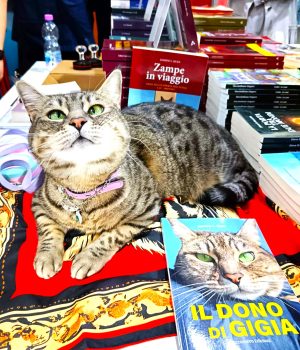
Curled elegantly on a tiger-striped scarf beside stacks of books, she delegated the actual work while I stamped paw prints into copies for increasingly enthusiastic readers.
When she finally woke, she stretched with theatrical precision and rewarded the nearest admirer with a single high-five.
The reactions were always identical:
delight, disbelief, and immediate devotion.
🏛️ Royal Turin: Savoy Palaces & Historic Elegance
Beyond the book fair, Turin reveals itself as one of Italy’s most elegant cities.
The former seat of the House of Savoy is filled with monumental architecture and royal history. The UNESCO Savoy Residences are scattered throughout the city.
Highlights include:
- Palazzo Reale
- Palazzo Madama
- Palazzo Carignano
- the grand arcaded avenues of the historic centre
- Piazza Castello and Piazza San Carlo
Turin’s atmosphere differs sharply from cities like Rome or Naples.
It is quieter. More ordered. Almost Parisian in places.
And yet beneath the formality lies warmth — especially in its cafés, bookstores, and neighborhood markets.
🏺 The Egyptian Museum & Turin’s Intellectual Side
Turin’s Museo Egizio is one of the city’s defining landmarks.
Widely considered second only to Cairo’s Egyptian Museum, it houses ancient mummies, monumental statues, papyrus collections, sarcophagi, and archaeological treasures.
The museum reflects Turin’s long-standing identity as a city of culture, scholarship, and curiosity.
Gigia, admittedly, showed limited interest in ancient dynasties.
🛍️ Balon Market: Turin’s Bohemian Side
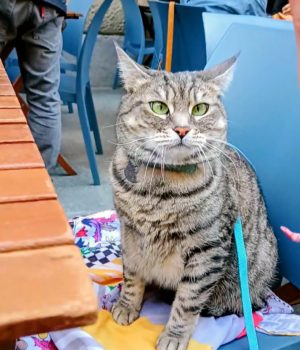
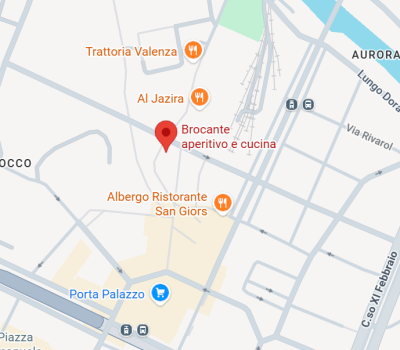
Away from the grand palaces, Gigia discovered another side of Turin in the Balon district.
Known for its antique market, vintage stalls, cafés, and creative atmosphere, Balon feels more relaxed and lived-in than the formal city centre.
Cobblestone lanes wind past:
- second-hand bookshops
- artisan boutiques
- hidden courtyards
- flower-filled balconies
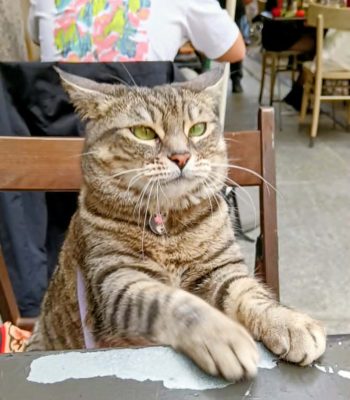
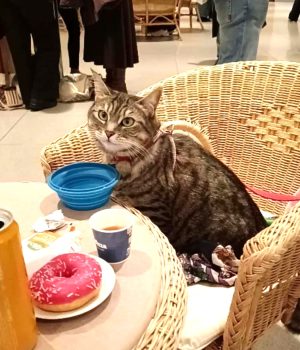
- cafés surprisingly welcoming to cats
Several restaurant owners produced water bowls without even being asked — an act that immediately improved Turin’s standing in Gigia’s internal ranking system.
🍷 Turin’s Café Culture & Slow Elegance
Turin is also one of Italy’s great café cities.
Historic cafés such as:
- Caffè Torino
- Caffè Mulassano
- Caffè Al Bicerin
continue traditions that date back centuries.
This is the birthplace of:
- bicerin (a layered coffee-chocolate-cream drink)
- refined chocolate culture
- elegant aperitivo rituals
The city rewards slow exploration — lingering under arcades, wandering bookshops, and watching evening life unfold across its piazzas.
✅ What Turin Offers
- Royal palaces (Savoy residences, UNESCO)
- Egyptian Museum (second only to Cairo)
- Mole Antonelliana and Cinema Museum
- Salone del Libro (Turin Book Fair)
- Balon antique market
- Historic cafés (bicerin, chocolate culture)
- 18 km of arcaded portici
🐾 For Cat Travel
- ✔ Walkable historic centre (arcades for shade)
- ✔ Cat-tolerant cafés and restaurants
- ✔ Balon market’s relaxed atmosphere
- ✔ Slow, elegant pacing
😺 Gigia’s Turin Verdict
Turin impressed Gigia in ways few large cities manage.
Not because it tried too hard.
But because it understood certain essential principles:
- proper pacing
- architectural elegance
- strategic nap opportunities
- and immediate access to water bowls
Most importantly, it understood admiration.
By the final day of the Salone del Libro, Gigia had posed for hundreds of photographs, distributed dozens of high-fives, and remained perfectly composed throughout.
✨ Why Visit Turin
Turin is ideal for travelers seeking:
- royal palaces and elegant architecture
- world-class museums
- literary and cultural events
- historic cafés and aperitivo culture
- authentic northern Italian atmosphere
- a quieter alternative to Milan or Rome
It also pairs beautifully with:
- the Langhe wine region
- Lake Maggiore
- the Alps of Piedmont
- and wider northern Italy road trips
Practical Tips for Turin with a Cat
Gigia’s Final Verdict
“The Savoys have their palaces. The Egyptians have their museum. I have my audience. Balance has been achieved. Turin, you have been inspected — from royal palace to book fair. Your arcades provide adequate shade. Your cafés understand service. Your Balon vendors offered water bowls without hesitation. The book fair crowds were appropriately admiring. Recommend returning for the bicerin, not the celebrity. Though the celebrity was well managed.”
For more information about Turin, visit the official Turin tourism site, the Salone del Libro official page, the Egyptian Museum website, and the Balon market site.