
Castles, Villages, and Historic Cities of Emilia-Romagna
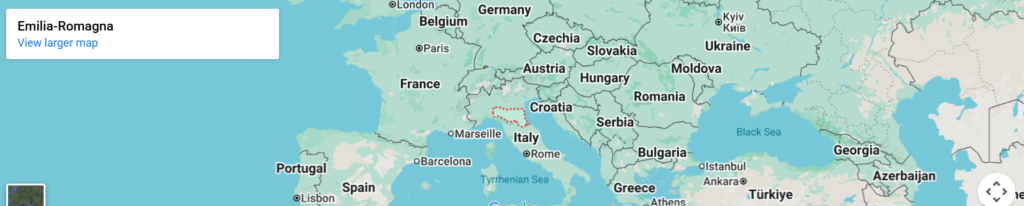
Few places in Italy capture the soul of Italian cuisine quite like Emilia-Romagna, a region often called the country’s true gastronomic heart. Here, centuries-old recipes are treated with the reverence of fine art, and entire towns revolve around the craft of producing world-famous specialties such as Parmigiano-Reggiano, Prosciutto di Parma, and traditional balsamic vinegar from Modena.
From the medieval castles of Bardi and Castell’Arquato to the vibrant university streets of Bologna, every stop revealed another layer of Emilia-Romagna’s rich cultural heritage. In Parma, the air itself seemed perfumed with aging cheese and cured ham. In Modena, ancient vinegar cellars guarded barrels of balsamic so precious it’s treated like liquid treasure. And along the Adriatic coast in Rimini, Cesenatico, and Comacchio, seafood traditions added yet another flavor to the region’s remarkable culinary story.
But Emilia-Romagna isn’t just about food—it’s also a land of remarkable art, castles, and historic towns. In Ravenna, dazzling Byzantine mosaics glow like jewels inside centuries-old basilicas. In Bobbio and Travo, stone bridges and quiet piazzas evoke a slower rhythm of Italian life. Meanwhile, elegant duchy towns like Colorno and Fontanellato remind visitors that this region once rivaled Europe’s grand courts.
Naturally, Gigia approached all of this with the poise of a tiny aristocrat on inspection duty. She toured castles as if reviewing her ancestral holdings, supervised museum staff who insisted on volunteering as cat-sitters, and treated every delicatessen as a personal tasting laboratory.
After all, when a region is famous for tortellini, tagliatelle, Parmigiano-Reggiano, and Prosciutto di Parma, a discerning feline simply has to maintain quality control.
🐾 “When entering any establishment in Emilia-Romagna, assume you are the VIP. Eventually, everyone else will too.”
📍 Destinations in Emilia-Romagna Featured on This Page
Gigia’s travels across Emilia-Romagna include the following towns and historic villages:
Each destination appears below in the accordion sections, where Gigia shares her experiences exploring castles, museums, historic streets, and of course the region’s legendary food traditions.
🏨 Where to Stay in Emilia-Romagna
Finding the right base is essential for exploring this diverse region. Whether you prefer Bologna’s vibrant center, Parma’s elegant streets, or a countryside agriturismo, our guides can help:
- Guide to finding cat-friendly accommodation in Italy
- Cat-friendly hotels in Italy guide
- Cat-friendly agriturismo in Italy guide
📋 Practical Tips for Emilia-Romagna with a Cat
For broader travel preparation, see our complete guide to traveling Italy with your cat.
📚 Planning Your Emilia-Romagna Adventure
For more on traveling Italy with your feline companion, explore these resources:
Bardi (PR)
🏰 Bardi: Castles, Porcini, and a Feline Thrill-Seeker
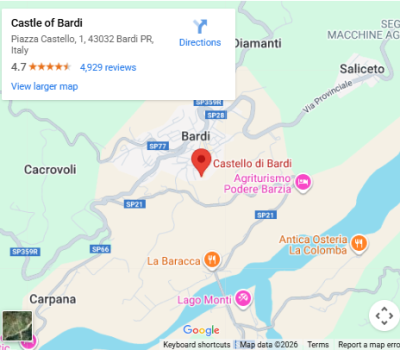
Perched dramatically above the Ceno Valley, Bardi is the kind of place that feels lifted straight from a medieval legend. Dominating it all is the imposing Castello di Bardi—a fortress so perfectly theatrical it seems less “built” and more “imagined,” perhaps by a storyteller… or a cat with very specific real estate ambitions.
The surrounding area is equally renowned for its prized porcini mushrooms, celebrated in seasonal porcini mushroom festivals in Italy that draw food lovers into the forests of Emilia-Romagna. But while humans come for gastronomy and history, Gigia had other priorities.
🏯 Castello di Bardi: A Feline Adventure Park (Apparently)
At the summit, within the walls of Castello di Bardi, the atmosphere shifts—wind, height, and history combine into something undeniably dramatic. This is one of the most impressive historic castles in Italy, with origins dating back to the 9th century and a setting on red jasper rock that has inspired legends for generations.
Naturally, Gigia interpreted this as a challenge.
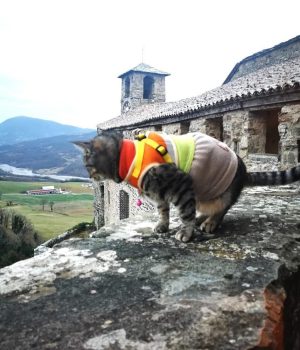
At one particularly vertiginous viewpoint, she leaned forward—far too far—peering into the valley below with the focused intensity of a creature casually evaluating gravity. Meanwhile, her human experienced what can only be described as a full internal systems failure, tightening the leash with the urgency of someone trying to prevent an unscheduled audition for “feline flying squirrel.”
Fortunately, curiosity did not escalate into catastrophe.
But it came close enough to ensure that what should have been a serene castle visit transformed into something resembling a suspense film—directed, produced, and entirely controlled by one small cat.
🍝 Beyond the Castle: A Culinary Detour Worth Taking
The story doesn’t end at the fortress walls.
Just a short drive from Bardi, the landscape opens into rolling countryside dotted with traditional trattorias—places where Emilia-Romagna quietly reminds you why it is one of Italy’s great culinary regions.
Here, we encountered some of the region’s legendary specialties: anolini in brodo (stuffed pasta in broth), tortelli di erbetta (herb-filled pasta), and of course tastings of Parmigiano Reggiano and Prosciutto di Parma.
Gigia, assuming her role as resident food critic, conducted a thorough olfactory inspection before delivering her verdict: acceptable… but not worth personal involvement. The humans, naturally, disagreed.
✨ Why Visit Bardi
Bardi offers a compelling blend of dramatic medieval architecture, panoramic views over the Ceno Valley, seasonal food culture centered on porcini mushrooms, and authentic, lesser-known Emilia-Romagna experiences. It is a destination that balances atmosphere with substance—history with a hint of unpredictability.
For a complete overview of Emilia-Romagna’s food, castles, and historic towns — including more locations in this province — explore our general Emilia-Romagna region guide.
If you’re planning a countryside stay, check out our guide to cat-friendly agriturismo in Italy for farm stays that welcome feline guests.
🐾 Gigia’s Final Verdict
Castle walls: excellent for dramatic poses (and mild human panic).
Culinary scene: promising, though inconsistent by feline standards.
Overall experience: worthy of temporary territorial claim.
In Gigia’s world, Castello di Bardi is not a monument.
It is a stage.
For more travelling Italy with a cat, explore our complete guide. Discover cat travel adventures Italy, and embrace unique travel stories Italy from Gigia’s journeys.
Eat & Drink
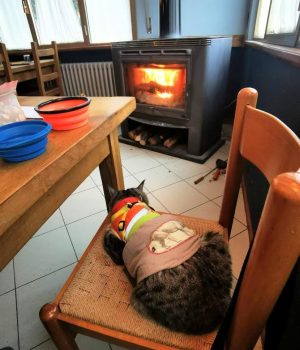

Bersani Hamlet (PC)
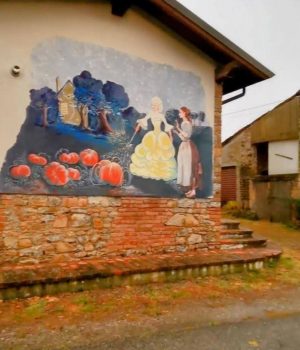
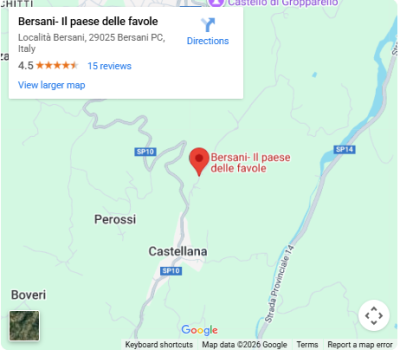
🎨 Località Bersani: Murals, Silence, and a Hint of the Wild
Tucked quietly into the hills of Piacenza, Località Bersani is the kind of place you don’t plan to visit—you discover it. A tiny hamlet surrounded by rolling vineyards and open countryside, it feels suspended somewhere between stillness and surprise. This is one of those hidden gems in Emilia-Romagna that rewards the curious traveler.
Or, as Gigia might put it: ideal conditions for a strategically timed nap.
🦌 An Unexpected Encounter with the Wild
What makes Località Bersani quietly extraordinary is not just its setting, but its sense of unpredictability. This corner of rural Italy near Piacenza offers a peaceful escape into the countryside of Emilia-Romagna.
During our visit, the landscape revealed something rare: a small group of red deer grazing just beyond the village edge. There was no spectacle, no announcement—just a fleeting moment of wild presence in an otherwise tranquil scene. For travelers seeking off the beaten path Italy destinations, this is the real reward.
Gigia observed with measured interest. Whether she registered them as majestic creatures or simply “unusually large squirrels” remains open to interpretation.
🎨 A Village That Paints Its Own Story
If the surrounding countryside provides the atmosphere, the village itself provides the artistry.
Località Bersani is adorned with hand-painted murals that transform its stone walls into an open-air gallery — a true open-air art village in Italy. Each corner reveals a new scene—color, texture, and storytelling woven directly into the architecture.
There is no formal entrance, no ticket, no curated path. You simply walk—and notice. It is one of the most charming unique villages in Emilia-Romagna for those who appreciate art in unexpected places.
Gigia, naturally, approached this with professional focus, inspecting each wall as though verifying the artistic standards of the entire hamlet.
✨ Why Visit Località Bersani
This small corner of Emilia-Romagna offers something increasingly rare: a peaceful, off-the-beaten-path setting, vineyard landscapes and open countryside, unexpected wildlife encounters, and a unique open-air mural experience. For travelers looking to explore rural Italy with a cat, this is an ideal destination for slow travel with pets.
It is not a destination built for crowds or itineraries. It is a place for slowing down.
For a complete overview of Emilia-Romagna’s hidden villages, countryside escapes, and artistic towns — including more locations in this province — explore our general Emilia-Romagna region guide.
If you’re planning a countryside stay, check out our guide to cat-friendly agriturismo in Italy for farm stays that welcome feline guests.
🐾 Gigia’s Final Verdict
Nap potential: exceptional.
Wildlife: intriguing, if slightly oversized.
Art scene: worthy of inspection (and silent approval).
For Gigia, Località Bersani is less a destination and more a mood—
quiet, observant, and entirely self-contained.
For more travelling Italy with a cat, explore our complete guide. Follow Gigia Travel Cat countryside adventures and discover more cat travel adventures Italy.
Bobbio (PC)
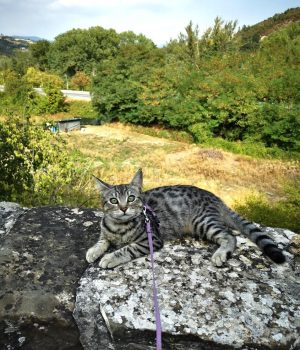
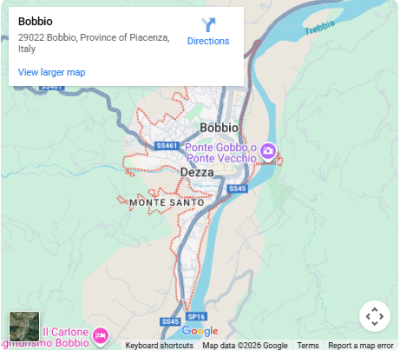
🌉 Bobbio: Bridges, Legends, and Gecko-Induced Chaos
Set along the emerald waters of the Trebbia River, Bobbio is one of those rare towns where history, landscape, and local life blend seamlessly. Often compared—perhaps ambitiously—to the Amazon for its lush riverbanks, the setting alone is enough to justify the journey.
But as always, Gigia had her own interpretation.
🌁 The Ponte Gobbo: A Royal Procession
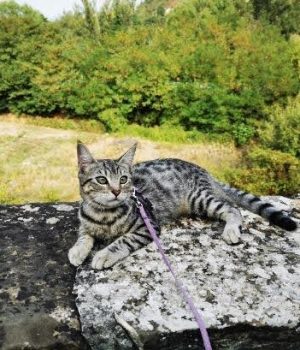
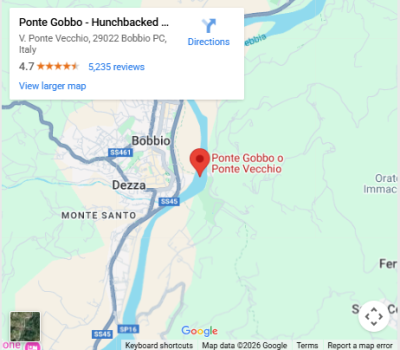
No visit to Bobbio is complete without crossing the iconic Ponte Gobbo—the “Hunchback Bridge,” with its uneven arches and unmistakable silhouette.
Gigia approached it not as infrastructure, but as a runway.
Tail raised like a banner of quiet authority, she moved along the ancient stones as though conducting an inspection of her domain. Below, the river flowed calmly; above, centuries of history framed what she clearly considered a personal appearance.
The official Bobbio tourism page provides detailed information on the Ponte Gobbo, the Duomo di Bobbio, the San Colombano Abbey, the Trebbia River, and local specialties like maccaroni and snails — all in one authoritative source.
🦎 When History Meets Instinct: The Gecko Episode
If the bridge showcased elegance, the cobbled streets delivered chaos.
Enter: geckos.
Small, fast, and entirely unprepared for Gigia’s presence, they triggered a rapid shift from composed observer of history to fully engaged hunter. In a moment of impressive efficiency, she captured not one—but two—in a single pounce.
What followed was less “predator triumph” and more “logistical miscalculation.” Faced with the challenge of managing dual gecko occupancy, confusion set in. One escaped. The other became the subject of an impromptu “catch-and-release” performance—part curiosity, part uncertainty, entirely entertaining.
The geckos, presumably, revised their life choices.
⛪ From Streets to Sacred Spaces
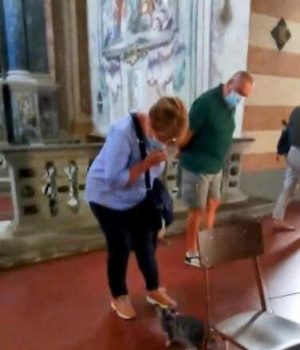
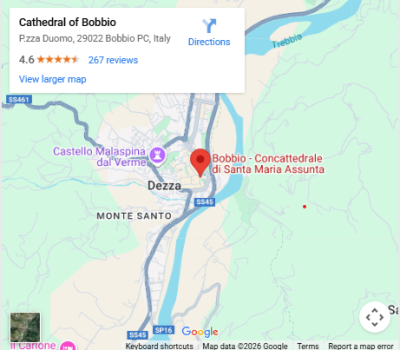
Composure restored, Gigia continued her exploration toward the Duomo di Bobbio.
Here, the tone shifted once again. From grand façade to quiet interior corners, she conducted what could only be described as a private inspection—measured, deliberate, and faintly judgmental.
History, it seems, is best appreciated on one’s own terms.
✨ Why Visit Bobbio
Bobbio offers a rich combination of iconic landmarks like the Ponte Gobbo, scenic river landscapes along the Trebbia, historic religious architecture, and authentic Emilia-Romagna cuisine, including baccalà dishes.
For a complete overview of Emilia-Romagna’s historic villages, scenic rivers, and culinary traditions — including more locations in this province — explore our general Emilia-Romagna region guide.
If you’re planning a countryside stay, check out our guides to cat-friendly agriturismo in Italy and budget-friendly pet-friendly farm stays.
For wine lovers, our guide to cat-friendly wine bars in Italy offers tips on sipping local vintages with your feline companion. And for help vetting properties, see how to find truly cat-friendly accommodation in Italy.
🐾 Gigia’s Final Verdict
Bridge aesthetics: excellent.
Wildlife interaction: unexpectedly complex.
Cultural experience: satisfactory, with room for feline representation.
In Gigia’s world, Bobbio is not just a historic town.
It is a stage for both elegance—and occasional, highly entertaining chaos.
For more travelling Italy with a cat, explore our complete guide. Follow Gigia Travel Cat adventures and discover more cat travel stories Italy.
Explore
Bologna (BO)
🍝 Bologna: Where Emilia-Romagna’s Culinary Heart Begins
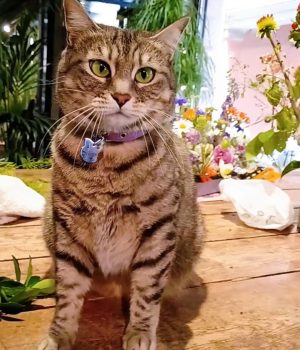
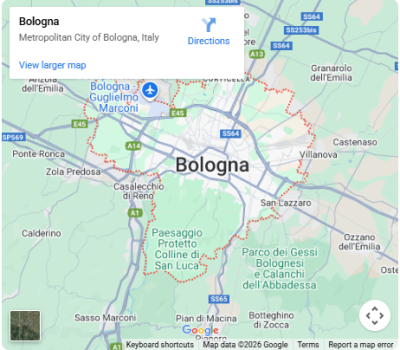
The world may fixate on Bologna’s tortellini and its endless arcades, but the real story of Bologna often begins just beyond the city itself. Step outside the historic center and the rhythm shifts—slower, quieter, more rooted in landscape and tradition.
This is where Emilia-Romagna reveals its deeper character.
🎨 Beyond the Porticoes: Villages That Tell Their Own Stories
A short drive from Bologna leads to hill towns that feel almost suspended in time.
The village of Dozza is known as the “Paese dei Murales” (Village of Murals), where the Biennale del Muro Dipinto has transformed medieval walls into an open-air art gallery since 1960 — making it one of the most charming artistic towns in Emilia-Romagna and a perfect day trip from Bologna.
Gigia approached it with quiet concentration—moving slowly, observing each painted surface as though verifying authenticity.
Cats, after all, have standards.
⛰️ Into the Mountains: Corno alle Scale
Further south, the landscape rises into the dramatic terrain of Parco Regionale del Corno alle Scale.
Corno alle Scale Regional Park offers spectacular high-altitude trekking through the highest peak of the Bolognese Apennines (1,945m), with alpine lakes, the Valle del Silenzio, and panoramic views that reach the sea on clear days — a true nature escape in northern Italy.
Here, Emilia-Romagna trades rolling hills for alpine air. Even in spring, traces of snow linger across the peaks, softening the rugged scenery into something almost theatrical.
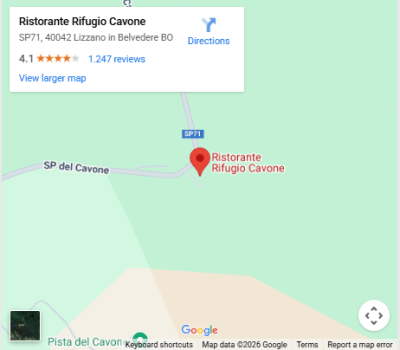
Gigia, naturally, conducted a full “snow audit.” Each step was deliberate. Each patch tested for texture and temperature. Only after a thorough inspection did she approve the nearest rifugio as an acceptable location for rest.
🍽️ The True Core: Emilia-Romagna on a Plate
To understand Bologna, you don’t begin with monuments. You begin with food.
Bologna is known as Italy’s food capital, where you can enjoy authentic tagliatelle al ragù, tortellini, and mortadella at family-run trattorias — all at surprisingly affordable prices.
Across the countryside, small osterias preserve culinary traditions that have remained unchanged for generations. Meals arrive not as presentations, but as continuations of history—simple, rich, and deeply rooted in place.
A plate of tagliatelle al cinghiale tells you everything you need to know: slow cooking, bold flavors, and an unapologetic commitment to doing things properly.
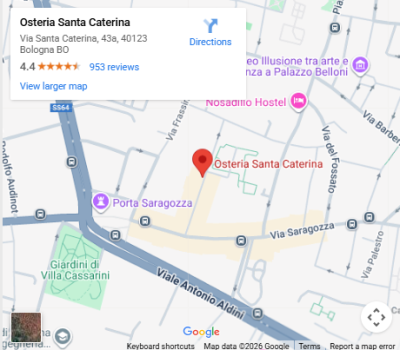
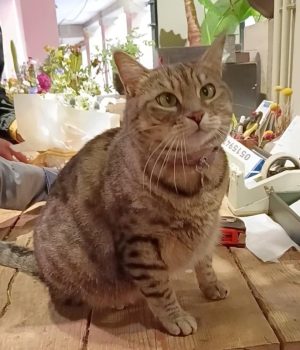
In some dining rooms, resident cats move quietly between tables—silent observers, perhaps ensuring that standards remain where they should be.
✨ Why Explore Beyond Bologna
While Bologna itself is iconic, its surroundings offer artistic villages like Dozza, mountain landscapes in Corno alle Scale, traditional food culture in rural osterias, and a slower, more immersive Emilia-Romagna experience.
It is here—between hills, kitchens, and quiet roads—that the region becomes fully tangible.
For a complete overview of Emilia-Romagna’s culinary traditions, artistic villages, and mountain landscapes — including more locations in this region — explore our general Emilia-Romagna region guide.
🐾 Gigia’s Final Verdict
Art villages: worthy of inspection.
Mountain terrain: acceptable, pending snow quality.
Culinary standards: consistently high.
Ultimately, Bologna is not just a destination.
It is a starting point.
Everything else unfolds from there.
For more travelling Italy with a cat, explore our complete guide. Discover cat travel Italy guide and find pet-friendly Italy destinations across the country.

Castell’Arquato (PC)
🏰 Castell’Arquato: Medieval Romance, Cinema, and a Cat Who Keeps Her Cool
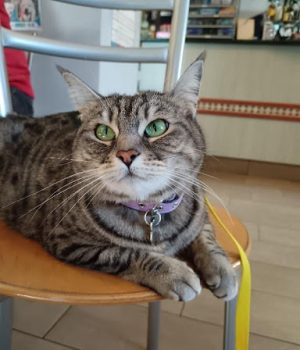
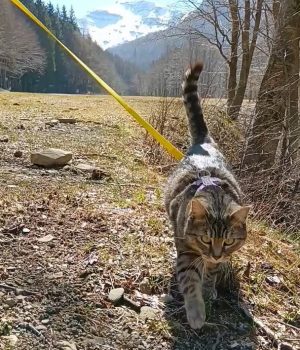
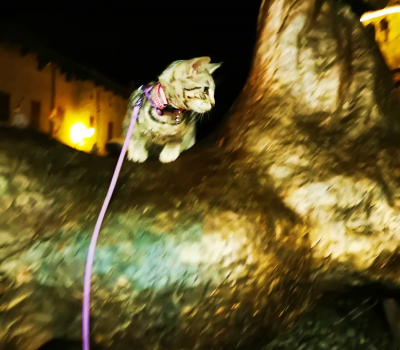
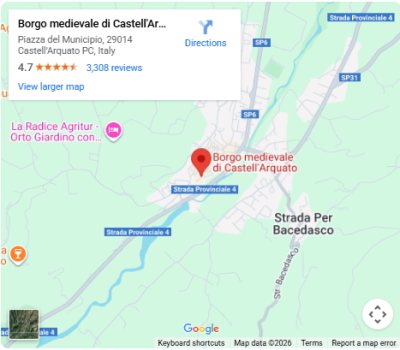
Perched elegantly on the hills of Piacenza, Castell’Arquato feels like a place designed for storytelling. With its cobblestone streets, fortified towers, and panoramic views, it is one of the best-preserved medieval villages in Italy — romantic, atmospheric, and quietly cinematic. It is also one of the most charming places to visit in Emilia-Romagna for those seeking authentic Italian hilltop towns.
It’s no coincidence that scenes from Ladyhawke were filmed here — with the opening hanging scene and bishop’s procession shot in Castell’Arquato’s Visconti Castle and Piazza del Municipio. The setting doesn’t just suggest history—it performs it.
🎭 A Town Built for Atmosphere (and Observation)
At the heart of Castell’Arquato rises its imposing fortress and the elegant Collegiata di Santa Maria Assunta, a Romanesque church consecrated in 1122 with a stunning Portico del Paradiso.
This is where Gigia encountered one of her earliest tests.
The cathedral bell rang.
There was a pause—brief, but unmistakable. Eyes widened. Ears adjusted. A moment of feline recalibration.
And then… composure.
From that day forward, bells became background noise—acknowledged, monitored, but no longer worthy of concern. A small but significant upgrade in Gigia’s already impressive adaptability.
🍷 Evening Interludes: A Reminder of Priorities
While Castell’Arquato lends itself naturally to romantic dinners and golden-hour views, Gigia ensured the evening did not drift too far from its central narrative.
From within her travel bag, a paw emerged.
A light tap—precise, deliberate—against an unsuspecting human hand. Then retreat. Silence. Observation.
A game, clearly.
Moments later, the same gesture repeated, accompanied by a look that could only be interpreted as quiet satisfaction. Even in a town built for romance, hierarchy must be maintained.
The surrounding Val d’Arda is home to Vernasca wine and the Strada dei Vini e dei Sapori dei Colli Piacentini, where you can taste local specialties like Vinsanto di Vigoleno. The Val d’Arda wine itinerary takes you through vineyards, castles, and villages — with a must-stop at Castell’Arquato’s municipal winery for an aperitif overlooking the square.
✨ Why Visit Castell’Arquato
This remarkable village offers exceptionally preserved medieval architecture, cinematic heritage and atmosphere, panoramic hilltop views, and local wine culture and regional cuisine. It is ideal for those seeking a more intimate, story-driven experience of Emilia-Romagna. For a complete overview of the region’s artistic villages and mountain landscapes, explore our general Emilia-Romagna region guide.
📚 Planning Your Cat-Friendly Emilia-Romagna Trip
For more resources to help plan your journey, explore these guides:
🐾 Gigia’s Final Verdict
Acoustic environment (bells): initially questionable, now acceptable.
Evening entertainment: satisfactory, with room for improvisation.
Overall atmosphere: worthy of extended presence.
For Gigia, Castell’Arquato is not just romantic.
It is interactive.
For more cat travel stories Italy and pet-friendly Italy destinations, explore our locations directory.
Eat & Drink
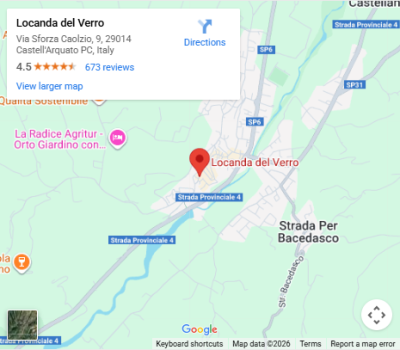
Cesenatico (FC)

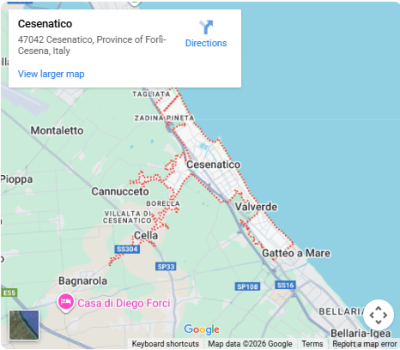
⚓ Cesenatico: Canals, Seafaring History, and a Cat Who Stole the Spotlight
Set along the Adriatic coast, Cesenatico is a town where maritime heritage and relaxed seaside life blend effortlessly. It is one of the most charming seaside towns in Emilia-Romagna and a perfect Adriatic coast destination for those seeking authentic Italian coastal life.
At its heart lies the historic canal port, famously linked to Leonardo da Vinci—a detail that adds just enough grandeur to an already picturesque setting.
Naturally, Gigia had notes.
🎨 The Canal Port: Designed by Genius, Ruled by a Cat
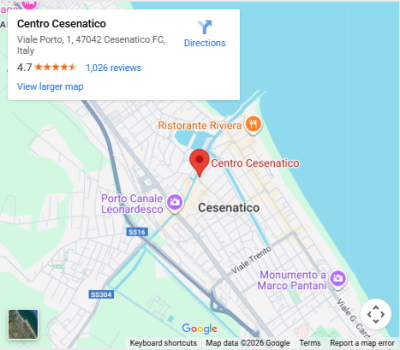
The Porto Canale Leonardesco is the soul of the town. Surveyed by Leonardo da Vinci in 1502 — his drawings in the Code L now preserved in Paris — it is one of the most historic ports in Italy. Lined with historic fishing boats, many preserved as part of the Museo della Marineria, it tells the story of Cesenatico’s seafaring past with quiet authenticity. Italy’s only floating museum, it features historic bragozzi and trabaccoli displaying colorful traditional sails.
Cesenatico’s canal port has been recognized as a heritage harbour, with traditional “vele al terzo” sails nominated for UNESCO Intangible Cultural Heritage status.
Gigia, however, saw it differently.
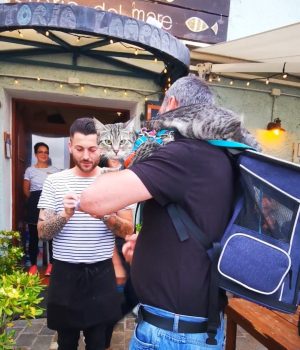
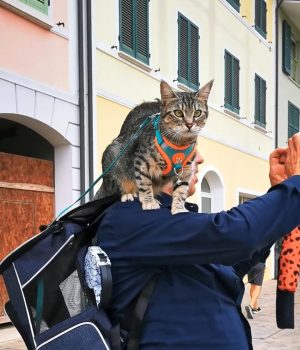
Perched high on human shoulders, she transformed the canal into her personal promenade. Boats were inspected. Reflections studied. Passersby evaluated.
A small crowd began to form.
Admiration, it seems, travels quickly when a cat carries herself with complete certainty.
📸 A Moving Attraction (With a Growing Audience)
As Gigia made her way along the canal, her presence did not go unnoticed.
Tourists paused mid-walk. Conversations shifted. Cameras appeared.
From her elevated vantage point, she acknowledged it all with calm indifference—the unmistakable posture of someone who fully expects attention, and sees no reason to comment on it.
Cesenatico may be known for its beauty. But for a brief moment, it had competition.
🍽️ Lunch at the Canal: Controlled Chaos, Perfect Comfort
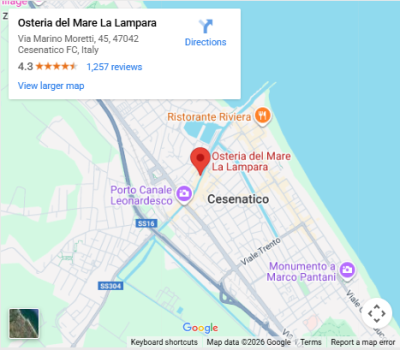
The day continued at Ristorante La Lampara, a lively waterfront spot overlooking the canal.
Inside, the atmosphere was exactly what you would expect—busy, vibrant, filled with the sounds of clinking glasses and overlapping conversations. Space was limited. Tables were full.
Gigia adapted.
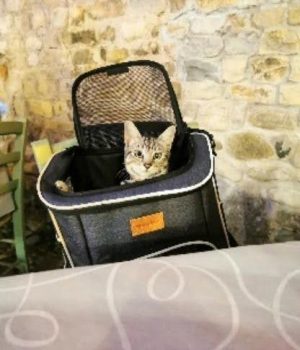
Instead of requesting her usual dedicated seating arrangement, she settled directly onto the table—curled neatly inside her travel bag, perfectly composed amid the surrounding movement.
While fresh seafood arrived and the rhythm of the restaurant carried on, she slept.
Unbothered. Undisturbed. Entirely at ease.
✨ Why Visit Cesenatico
Cesenatico offers a distinctive mix of a historic canal linked to Leonardo da Vinci, maritime culture at the Museo della Marineria, lively seaside atmosphere, and excellent seafood and waterfront dining. For a complete overview of Emilia-Romagna seafood dishes and canal-side dining in Italy, explore our general Emilia-Romagna region guide.
🐾 Gigia’s Final Verdict
Urban design: structurally sound, aesthetically acceptable.
Public reception: enthusiastic, as expected.
Dining environment: adaptable, provided suitable resting arrangements exist.
In Gigia’s world, Cesenatico is not just a coastal town.
It is a stage.
For more travelling Italy with a cat, explore our complete guide. Discover cat travel Italy experiences and find pet-friendly coastal Italy destinations across the country.
Eat & Drink
Explore
Colorno (PR)
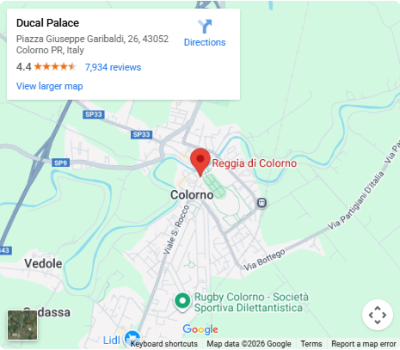
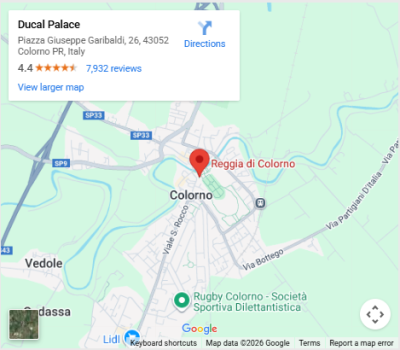
🏰 Colorno: Ducal Elegance, Culinary Prestige, and a Cat with Opinions
Often referred to as the “Versailles of Emilia,” Colorno is a town defined by refinement. Its centerpiece, the magnificent Reggia di Colorno, anchors both the landscape and the town’s identity—an architectural statement of symmetry, grandeur, and quiet authority. For those seeking places to visit near Parma and Emilia-Romagna hidden gems, Colorno is an essential stop.
It is, in many ways, exactly the kind of place Gigia believes was built for her.
🌿 The Ducal Gardens: A Natural Stage
The gardens of the Reggia di Colorno provided the ideal setting for what can only be described as a performance. The palace welcomes small pets — visitors can tour the Piano Nobile and Ducal apartments with cats held in arms or in carriers, making it a genuinely pet-friendly historic site.
Often called the Versailles of Emilia, the palace was once the summer residence of the Farnese and Bourbon dukes, surrounded by French-style gardens recently restored to their original splendor.
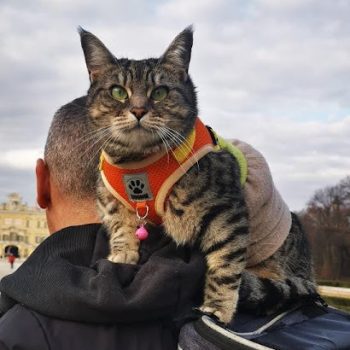
Gigia moved through them with deliberate elegance—measured steps, lifted tail, the unmistakable presence of a creature entirely comfortable in a setting of historical prestige. If there were ever doubts about her self-perception, they did not survive this walk.
For a moment, the gardens felt less like a public space and more like a private estate.
🐱 An Unexpected Social Encounter
That composure was briefly interrupted by the presence of a local cat colony.
Nearby, a caretaker had gathered a group of stray cats for feeding—an organized, highly focused operation driven by a single priority: food.
Gigia, curious and perhaps slightly optimistic, approached.
The response was immediate and instructive.
The colony cats did not engage. They did not acknowledge. They did not negotiate. Their attention remained fixed on the meal in front of them.
A small but meaningful lesson followed: in certain contexts, hierarchy is temporarily suspended in favor of sustenance.
Gigia withdrew, dignity intact, perspective slightly adjusted.
👑 Inside the Palace: A Rare Privilege
The visit extended into the palace itself—an experience that elevated the day from elegant to exceptional.
The Ducal Palace of Colorno was transformed from a medieval fortress into an Italian Baroque masterpiece by Francesco Farnese and architect Ferdinando Galli-Bibiena in the early 18th century.
Within the halls of the Reggia di Colorno, Gigia adopted a different pace. Slower. More observant.
Paintings were studied. Tapestries assessed. Spaces evaluated not just for their historical value, but for their potential utility.
Every room, it seemed, was quietly judged against a single question: Would this function as an appropriate resting location?
🍝 A Culinary Reputation That Extends Beyond the Palace
Beyond its aristocratic identity, Colorno is also known for its culinary excellence. The presence of ALMA – The International School of Italian Cuisine reinforces its role within Emilia-Romagna’s food culture — training chefs from around the world inside the palace walls, in the heart of Parma’s UNESCO-recognized Food Valley. For more Parma food region experiences and Italian culinary traditions, explore our Emilia-Romagna region guide.
It is a place where refinement is not limited to architecture, but extends naturally to the table.
✨ Why Visit Colorno
Colorno offers a distinctive blend of grand ducal architecture at the Reggia di Colorno, formal gardens and landscaped grounds, a connection to Italy’s leading culinary school, and a quieter, more refined alternative to larger cities. It is both elegant and accessible—rich in atmosphere without excess.
🐾 Gigia’s Final Verdict
Garden design: appropriate for structured exploration.
Social dynamics: situationally complex.
Interior spaces: promising, pending further inspection.
In Gigia’s world, Colorno is not just a town of grandeur.
It is a residence — temporarily shared.
For more travelling Italy with a cat, explore our complete guide. Discover cat travel Italy stories and find pet-friendly historic sites in Italy across the country.
Explore
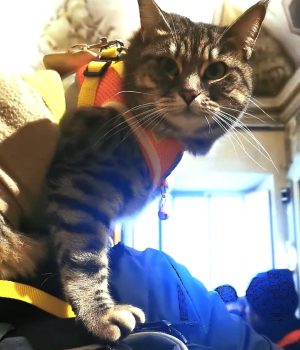
Comacchio (FE)
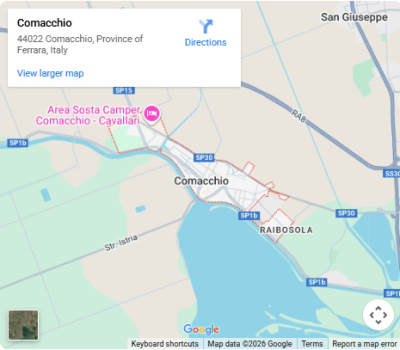
🌊 Comacchio: A Canal Town with a Feline Twist
Often called “Little Venice,” Comacchio is a charming canal town built across a network of waterways, bridges, and pastel-toned houses. While smaller and less crowded than Venice, it offers a similar atmosphere—yet feels more intimate, slower, and surprisingly authentic. For travelers seeking hidden gems in Emilia-Romagna and the best places to visit in Ferrara province, Comacchio is an essential stop.
What began as a simple lunch stop quickly revealed itself as something more: a place where reflections ripple through quiet canals, and even a brief pause turns into a memorable experience.
🐱 A Cat’s-Eye View of the Canals
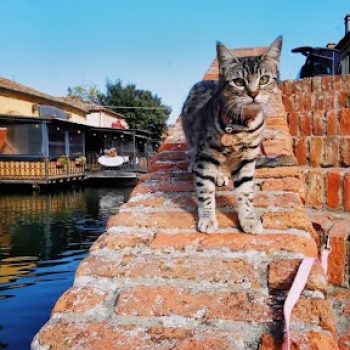
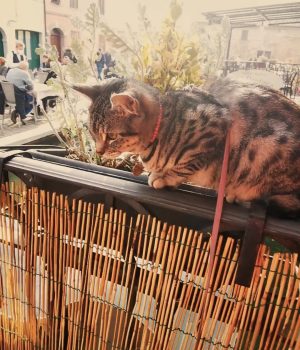
Gigia, naturally, identified the town’s most strategic vantage point: a canal bridge.
The iconic Trepponti bridge dates to 1638 and serves as Comacchio’s fortified gateway, with five staircases converging on a central Istrian stone platform. For travelers looking for canal towns in Italy beyond Venice, Comacchio’s waterways and bridges offer a quieter alternative.
Perched above the water, she studied the shimmering surface below with intense focus—part admiration, part calculation. The elegant stillness of the canals may enchant visitors, but for a cat, it presents a far more practical question: can it be caught?
Her conclusion remained classified.
🍽️ What Followed Was Entirely Predictable
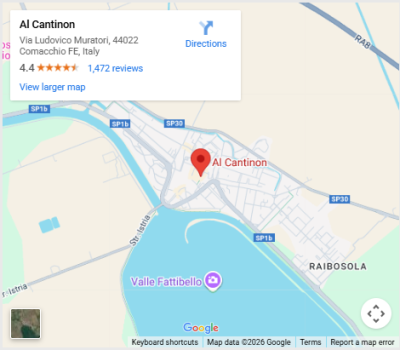
While Comacchio is famous for its traditional eel dishes — the Sagra dell’Anguilla (Eel Festival) takes place the first two weekends of October, celebrating the town’s centuries-old fishing traditions — Gigia showed little interest in local culinary heritage. The same source provides information on Comacchio’s canals, the Manifattura dei Marinati, and seafood dining in the area.
Until the human plate arrived. Moments later, it had been thoroughly inspected, partially consumed, and silently approved.
✨ What Makes Comacchio Special
Beyond its canals, Comacchio stands out for its unique character: a network of picturesque bridges, including the iconic Trepponti; a deep-rooted fishing tradition, especially eel cuisine; a relaxed, walkable historic center; and a quieter alternative to more famous canal cities. It’s a place that doesn’t demand time—it rewards curiosity.
🐾 Traveling with a Cat: What to Know
Comacchio is surprisingly well-suited for a short, relaxed visit with a cat. Flat, walkable streets make exploration easy, but bridges and canals require constant awareness and a secure harness. Early morning or late afternoon visits offer the calmest experience, and outdoor dining options are common and more accommodating.
For broader planning, see our guides on traveling Italy with a cat, travel tips for Italy with a cat, and cat-friendly locations across Italy.
🐾 Gigia’s Take
For Gigia, Comacchio was not about ticking off landmarks.
It was about the moment: a pause on a bridge, the glimmer of water, the quiet satisfaction of turning a quick stop into a small but memorable conquest.
For more pet-friendly destinations in Emilia-Romagna, explore our comprehensive region guide.
Eat & Drink
Fontanellato (PR)
🏰 Fontanellato — Castle Elegance, Culinary Tradition & Feline Photo Ops
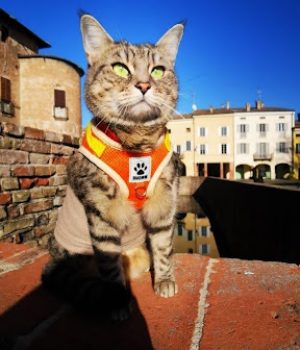
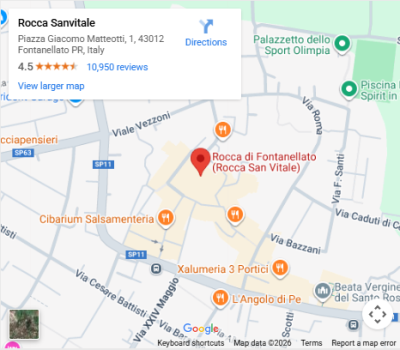
At the heart of Fontanellato stands the imposing Rocca Sanvitale, a perfectly preserved moated fortress surrounded by water and steeped in centuries of history. Inside, its famed frescoes tell stories of noble families and Renaissance life—though Gigia, naturally, seemed to interpret them as nothing more than particularly elaborate interior décor.
Fontanellato is also known for its culinary heritage, especially the local specialty tortelli d’erbetta, a delicate herb-filled pasta that reflects the rich gastronomic traditions of Emilia-Romagna.
When we visited on December 26th, the castle interiors were closed—an inconvenience for humans, but largely irrelevant to Gigia.
🏰 A Castle Without Entry… Still Fully Claimed
Denied access to the frescoed halls, Gigia simply adjusted her strategy.
The surrounding walls, bridge, and reflective moat became her stage.
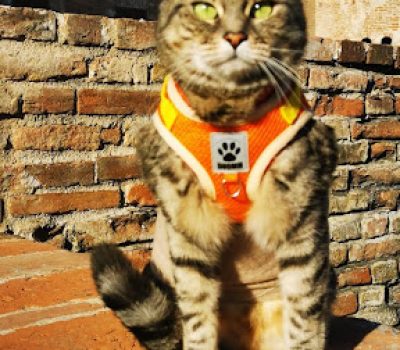
She moved along the fortress perimeter with complete authority, pausing at precisely the right moments to transform the setting into a series of striking compositions—each one worthy of a travel campaign.
From the stone bridge overlooking the water to the quiet corners framing the castle’s towers, every angle became an opportunity. What might have been a missed visit quietly evolved into something else entirely: a reminder that in places like Fontanellato, atmosphere often matters more than access.
🐾 Practical Notes for Visiting with a Cat
Fontanellato is particularly well-suited for a calm, controlled visit with a cat:
- The historic center is compact and walkable
- The castle exterior offers open, scenic space without heavy crowds (outside peak hours)
- The moat creates natural visual interest—but requires close supervision
As always, a secure harness and awareness of surroundings are essential—especially near water.
For a broader strategy on planning where to stay across the region, see our guide to cat-friendly hotels in Italy. For more advice on traveling Italy with a cat, explore our complete master guide.
✨ Why Fontanellato Works
Fontanellato may not be the largest destination in Emilia-Romagna, but it offers something distinctive:
- A visually striking historic landmark
- A relaxed pace compared to larger cities
- A strong connection between culture and cuisine
And, as Gigia demonstrated, even when doors are closed, the experience remains entirely open.
🐾 Gigia’s Final Verdict
Castle access: limited.
Photographic potential: fully realized.
Lighting conditions: optimal for golden-hour posing.
Fontanellato proved that sometimes the best experiences happen outside the building—
especially when you have the right subject.
Explore
Modena (MO)
🏎️ Modena: Vinegar, Vrooms & Very Particular Tastes
While Ferrari engineers obsessed over horsepower, Gigia was busy calculating the perfect cheese-to-nap ratio in Modena’s sun-dappled piazzas. This city of aged vinegars and rumbling engines became her personal tasting menu—with occasional breaks to humor the human sightseeing agenda.
🍷 A City of Culinary Crowns
Modena wears its gastronomic heritage like a royal robe. This is the birthplace of traditional balsamic vinegar, aged for decades in barrel sets passed down through generations. It’s the heart of Emilia-Romagna’s celebrated food culture, where Parmigiano-Reggiano and Traditional Balsamic Vinegar of Modena reach their highest expression.
But beyond the culinary fame, Modena pulses with automotive passion—home to Ferrari, Maserati, and Lamborghini, and the birthplace of operatic legend Luciano Pavarotti. It’s a city where speed and slowness coexist beautifully.
🐾 Gigia’s Modena Highlights
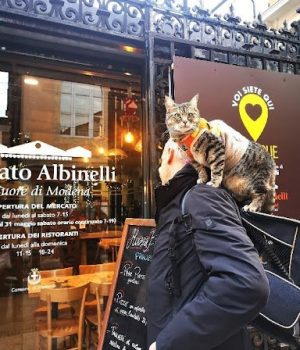
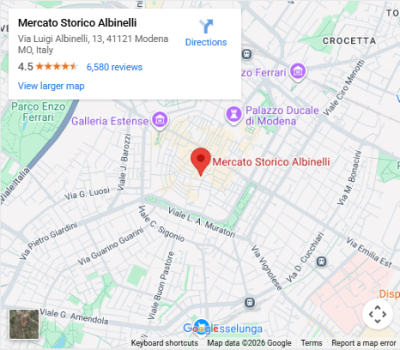
🛒 Mercato Albinelli
At this historic market, Gigia presided over the delicacies with regal indifference:
- Parmigiano wedges – Received a perfunctory sniff (approval implied)
- Balsamic reductions – Inspired a single whisker twitch (high praise)
- Fresh tortellini – Worth opening one eye for (but not two)
🏛️ Cathedral & Piazza Grande
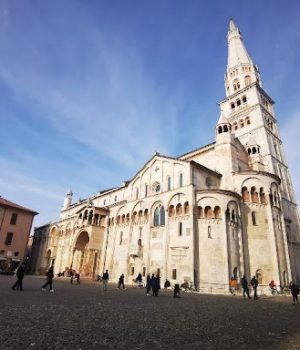
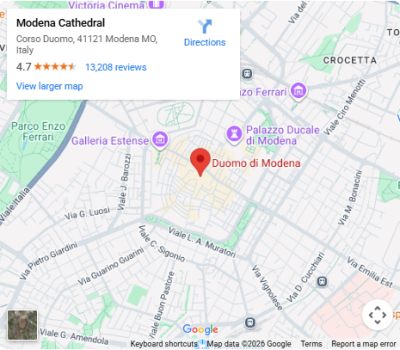
The cathedral’s soaring arches? Briefly noted between blinks. The Piazza Grande, a UNESCO World Heritage site, provided excellent sunbathing real estate. Gigia’s Modena math was simple:
- 1 hour of cultural appreciation = 3 hours of piazza sunbathing
- 1 supercar = 0 interest (unless it’s carrying tuna)
- 1 food market = ∞ judgmental stares
🎭 Pavarotti’s Legacy
Pavarotti’s legacy was nearly honoured with an aria when a prosciutto sample was delayed. Those legendary supercars roaring nearby? Mere background noise to the symphony of deli counters opening.
🏛️ Beyond the Table: Modena’s Cultural Soul
While Gigia focused on edible matters, Modena offers visitors:
- UNESCO-listed cathedral – A Romanesque masterpiece with Ghirlandina tower
- Enzo Ferrari Museum – Celebrating the city’s automotive heritage
- Traditional balsamic vinegar cellars – Where centuries-old barrels hold liquid gold
📋 Planning Your Modena Visit
For more on traveling Italy with your feline companion, these resources offer practical advice:
🐱 More Cat-Friendly Italy Resources
🗺️ Exploring Emilia-Romagna
Modena is just one jewel in Emilia-Romagna’s culinary crown. For a broader perspective on the region, see our Emilia-Romagna region guide, which covers everything from Bologna’s porticoes to Ravenna’s mosaics and Parma’s cheese halls.
For upcoming events and festivals, check the official Modena tourism site.
Explore
Montecchio Emilia (RE)
🏞️ Montecchio Emilia: Countryside Freedom, Castles, and Cat-Led Exploration
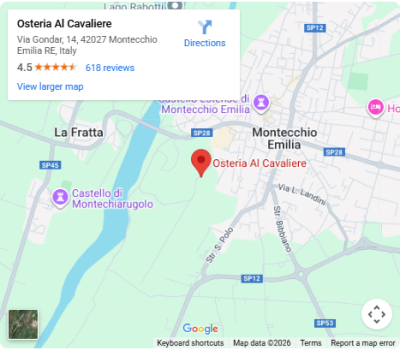
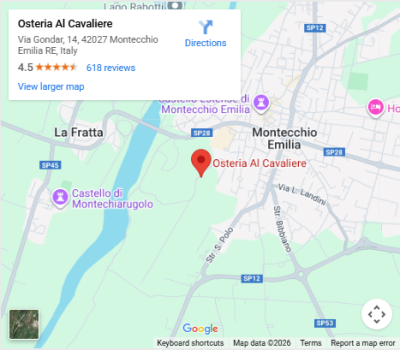
Set between Parma and Reggio Emilia, Montecchio Emilia reveals its charm slowly—like a cat stretching awake in a sunbeam. What begins as a practical stop for where to stay in Italy with a cat quickly transforms into something far more memorable when experienced through a feline lens.
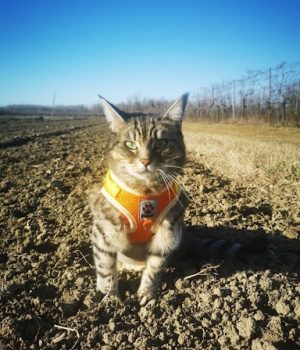
Dominating the town is the imposing Rocca di Montecchio Emilia, a medieval stronghold that anchors the landscape and adds a quiet sense of history to the surrounding countryside. But for Gigia, the real attraction wasn’t the architecture—it was the open space.
The moment her paws touched the farmland, everything changed.
The orderly vineyards and winter-bare fields became her personal playground. Furrows turned into racetracks, patches of earth into hunting grounds. Gone was the composed city cat—replaced by a full-fledged countryside explorer, darting, pouncing, and rediscovering instincts that urban life tends to soften.
For travelers with cats, Montecchio Emilia offers something rare: space to roam paired with human comfort. For those seeking cat-friendly agriturismo in Italy, this area provides an ideal balance of rural freedom and welcoming hospitality.
The slower rhythm of life makes it easy to balance long, relaxed meals with spontaneous feline adventures. One moment you’re enjoying local specialties; the next, you’re following your cat across a field as if it were the most natural itinerary in the world.
Winter, in particular, brings a special kind of magic. With the vineyards stripped back and the air crisp, the landscape becomes quieter, more open—perfect for curious cats who prefer space over crowds. Just be prepared: returning to “civilization” may require a bit of negotiation… and a thorough dust-off.
In the end, Montecchio Emilia isn’t about ticking off landmarks.
It’s about those unplanned moments—when you stop leading the journey and start following it instead.
Often, guided by a cat.
For a complete framework to plan your journey, start with our traveling Italy with a cat guide — covering transport, accommodation, and feline-first strategies across the country.
Eat & Drink
Morfasso (PC)
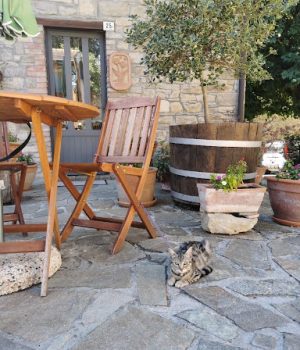
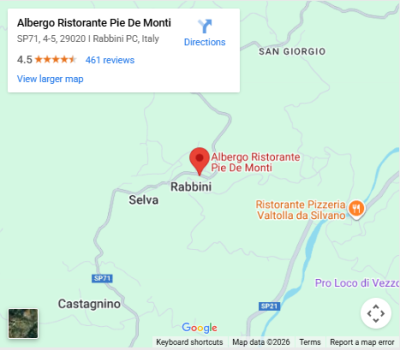
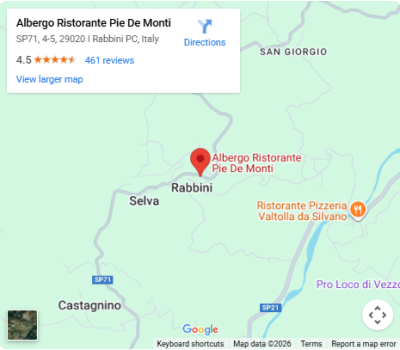
🏡 Località Rabbini (Morfasso): Gigia’s First Countryside Adventure in Val d’Arda
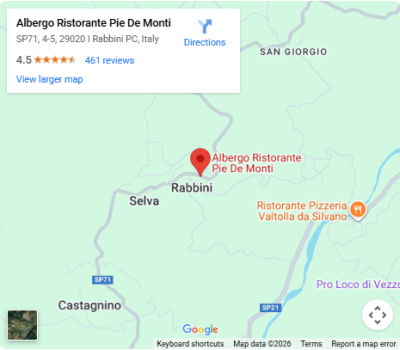
Tucked away in the hills of Morfasso, the peaceful hamlet of Località Rabbini offers one of the most authentic countryside experiences in the Val d’Arda. Far from tourist routes, this rural escape combines rolling landscapes, wildlife encounters, and pet-friendly stays—making it an ideal destination for travelers exploring Emilia-Romagna with a cat.
For Gigia, this was not just another stop—it was the beginning.
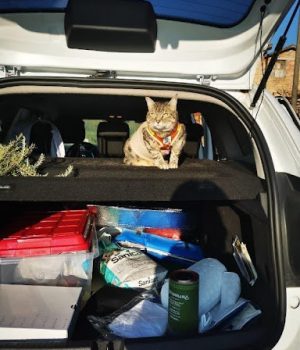
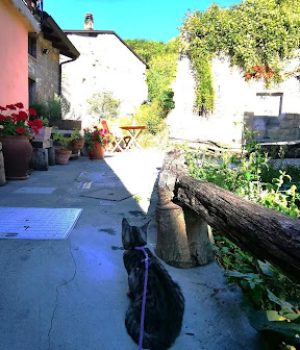
At just four months old, she embarked on her first true countryside adventure, settling into a charming rental home that welcomed pets without restrictions or additional fees. For anyone searching for pet-friendly countryside stays in Italy, this kind of flexibility is rare—and invaluable.
🌿 A First Taste of Rural Italy (Through a Cat’s Eyes)
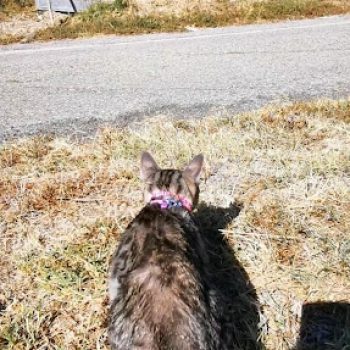
Surrounded by forests, open fields, and quiet farmland, Gigia quickly transformed from city kitten to countryside explorer. The Val d’Arda landscape became her training ground:
- Trees turned into climbing challenges (vertical routes preferred)
- Fields became hunting arenas filled with new scents
- Distant wildlife—like grazing deer—sparked cautious curiosity
For travelers wondering where to stay in Emilia-Romagna with a cat, locations like Morfasso offer something unique: space, silence, and sensory richness that urban environments simply cannot match.
🦌 Unexpected Encounters: From Deer to Barnyard Royalty
One of the most memorable aspects of staying in this part of Piacenza province is the connection to nature. During our stay, Gigia encountered:
- Red deer grazing near the property
- Expansive countryside views with minimal human presence
- A particularly memorable group of local cockerels
The latter quickly became a source of fascination. Their early-morning calls and theatrical strutting introduced Gigia to a new kind of “wildlife”—one she observed with a mix of intrigue and unmistakable feline judgment.
✨ Why Morfasso Is Ideal for Cat-Friendly Travel
Unlike more structured destinations, Località Rabbini offers:
- Low-traffic rural roads (safer for pets)
- Spacious outdoor environments for exploration
- Flexible, family-run accommodation
- Minimal noise and stress triggers
For a deeper strategy on choosing rural stays, see our guide to how to find cat-friendly accommodation in Italy.
And for a broader overview of travel logistics, visit the complete guide to traveling Italy with a cat.
🐾 Where Gigia’s Journey Truly Began
This quiet corner of Emilia-Romagna marks the true beginning of Gigia’s story. Among the hills of Piacenza, her curiosity took shape, her confidence grew, and her love for travel began to define itself.
For readers wanting the full story behind these early adventures, explore Gigia and Me! An Extraordinary Journey.
Explore
Parma (PR)

🧀 Parma: Cheese, Culture & Culinary Conquest
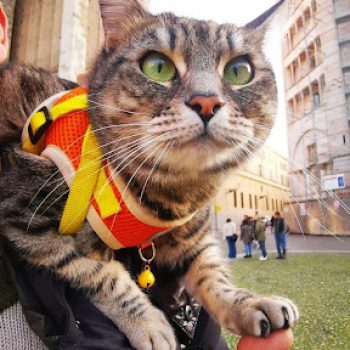
Parma needs no introduction—yet Gigia insisted on making one anyway. This legendary city, birthplace of Parmigiano-Reggiano and Prosciutto di Parma, may be a pilgrimage site for food lovers, but for one discerning feline, it became a stage for culinary (and cultural) conquest.
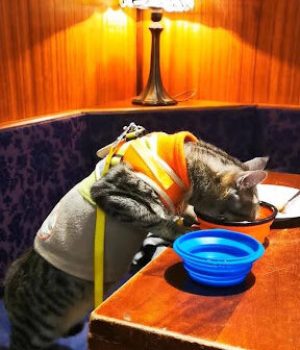
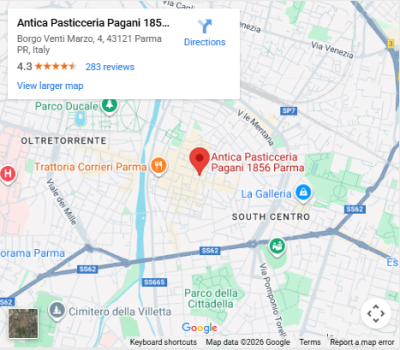
Our mission was clear: cheese acquisition. We didn’t just taste-test Parmigiano; we transformed our luggage into a dairy smuggler’s haul, wedging golden wedges between sweaters like edible contraband. But the true revelation came at a pasticceria, where Gigia—normally a model of feline decorum—abandoned all pretence of restraint. As she inhaled her weight in buttery biscuits, her operatic purrs upstaged even the ghost of Verdi at the Teatro Regio. (Take note, tenors: true vibrato comes from the diaphragm of a satisfied cat.)
🎨 Beyond the Table: Parma’s Artistic Soul
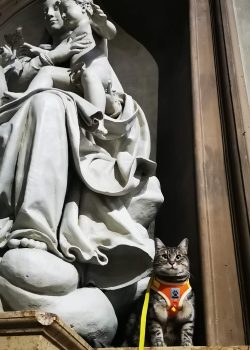
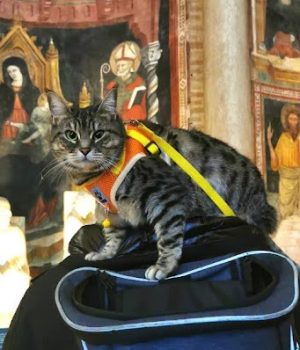
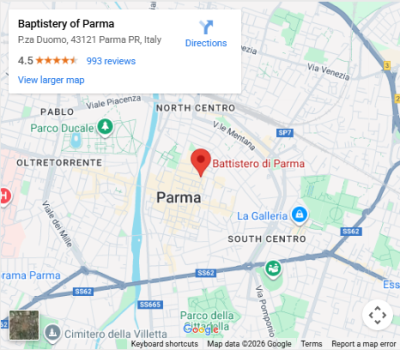
Yet Parma’s grandeur transcended gastronomy. In the cathedral complex, Gigia struck poses beside marble saints with the confidence of a furry Bernini muse. The Baptistery’s kaleidoscopic frescoes gave her pause—her pupils dilating as she tracked the celestial blues and golds across the dome. For one unguarded moment, we glimpsed rare feline awe… until her tail flick betrayed the truth: she was merely calculating how to climb the nearest column for a better vantage point.
📋 Planning Your Parma Visit
This guide is rooted in direct experience. Gigia has personally scouted these locations, evaluating their pastry density and fresco visibility. For more on traveling Italy with your feline companion, explore these resources:
🐱 More Cat-Friendly Italy Resources
- 🐱 The Ultimate Guide to Traveling Italy with Your Cat in 2026
- 🎯 Expert Cat Travel Tips: Lessons from a 10M+ View Cat Traveler
- 🎒 Best Cat Travel Gear: Gigia’s Must-Have Essentials
- 🏨 Hotel che accettano gatti in Italia: The Top 20 Verified Cat-Friendly Stays
- 🏡 Finding a Cat-Friendly Agriturismo in Italy
Exploring Emilia-Romagna
Parma is just one jewel in Emilia-Romagna’s culinary crown. For a broader perspective on the region, see our Emilia-Romagna region guide, which covers everything from Bologna’s porticoes to Ravenna’s mosaics.
For upcoming events and festivals, check the official Parma tourism site.
Gigia’s Parma Verdict
In the end, Parma revealed its dual nature: a city where divine flavours and heavenly art coexist, and where even the most refined cat might—just once—trade dignity for a perfect pastry.
Eat & Drink
Explore
Piacenza (PC)
🍇 Piacenza & Val d’Arda: Emilia-Romagna’s Hidden Countryside for Cat-Friendly Travel
Often overlooked in favor of more famous destinations, the province of Piacenza reveals a quieter, more authentic side of Emilia-Romagna—one defined by rolling vineyards, historic villages, and slow, immersive travel. For those exploring Italy with a cat, this region offers something rare: space, calm, and genuine local character.
While Piacenza is celebrated for its culinary heritage—think Pancetta Piacentina DOP and robust glasses of Gutturnio wine—the real experience begins beyond the city, in the gentle landscapes of the Val d’Arda.
🌿 Countryside Exploration (Feline Edition)
In Val d’Arda, Gigia embraced her role as a full-time explorer. The countryside became her playground:
- Trees transformed into vertical climbing challenges
- Birds became objects of intense (and slightly frustrated) observation
- Open fields offered endless sensory discovery
For travelers searching where to stay in Emilia-Romagna with a cat, this area delivers what cities cannot: freedom, quiet, and a safe environment for curious pets.
Painted villages scattered across the valley added another layer of charm—serving as cultural landmarks for humans and, in Gigia’s case, highly questionable scratching opportunities.
🏛️ Piacenza City: Culture, Wine & Unexpected Cat Hideouts
Back in the historic center of Piacenza, the atmosphere shifts from rural calm to understated elegance. The city was founded as a Roman colony in 218 BC, and its Piazza Cavalli has served as the political heart of the city since the 13th century. The square is dominated by the Gothic Palazzo Pubblico and the bronze equestrian statues of the Farnese dukes.
Wine cellars—typically visited for tastings—revealed an unexpected advantage for feline travelers:
- Cool, quiet interiors
- Low lighting and minimal noise
- Perfect “inspection zones” for curious cats
While humans sampled local vintages, Gigia conducted her own evaluations—focusing less on flavor notes and more on barrel stability and nap potential.
☔ When Travel Doesn’t Go to Plan
Not every moment was picture-perfect.
Our arrival at Piazza Cavalli coincided with a dramatic downpour, transforming a grand Renaissance setting into a scene of mild chaos. From her elevated position inside the backpack, Gigia delivered a silent but unmistakable verdict: poor planning.
The statues stood unmoved. The rain fell relentlessly. And Gigia? Deeply unimpressed.
✨ Why Piacenza Works for Cat-Friendly Travel
Despite the occasional weather mishap, Piacenza and its surrounding countryside offer:
- Low-density tourism (less stress for pets)
- Expansive rural landscapes ideal for exploration
- Flexible accommodation options, especially in smaller towns
- Authentic local culture without overcrowding
For those building a full itinerary, explore cat-friendly hotels in Italy (main accommodation guide).
For rural stays specifically, see cat-friendly agriturismo Italy guide.
And for complete travel planning, visit the ultimate guide to traveling Italy with a cat.
🌄 A Different Kind of Italian Experience
Piacenza doesn’t compete for attention—and that’s precisely its strength.
Here, the highlights are quieter:
- Sunlit vineyards instead of crowded landmarks
- Local markets instead of curated experiences
- Unplanned moments that become lasting memories
For Gigia, it was a place of discovery—of trees to climb, barrels to inspect, and landscapes that invited curiosity at every step.
For travelers, it’s a reminder that sometimes the most rewarding destinations are the ones you didn’t plan around—but end up remembering the most.
Ravenna (RA)
✨ Ravenna: Mosaics, History & A Memorable Helicopter Encounter
Ravenna, the seat of the first Germanic king (Odoacer, who deposed the last Roman emperor in 476 AD), is more than worthy of its UNESCO World Heritage crown. The city brims with stunning churches and monuments that glow with history, their Byzantine mosaics shimmering like timeless works of art.
🏛️ A City of Golden Light
Ravenna’s fame rests on its extraordinary collection of early Christian mosaics. Eight UNESCO-listed monuments showcase artistry that has dazzled visitors for over 1,500 years:
- Basilica di San Vitale – Perhaps the most famous, with glittering depictions of Emperor Justinian and Empress Theodora
- Mausoleum of Galla Placidia – Tiny yet transcendent, with a starry blue sky mosaic that stops visitors in their tracks
- Basilica di Sant’Apollinare Nuovo – Processions of saints and martyrs line the walls in luminous detail
- Neonian Baptistery – A masterpiece of light and color in the city center
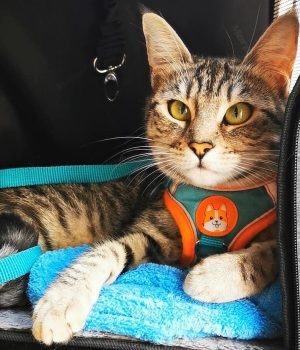
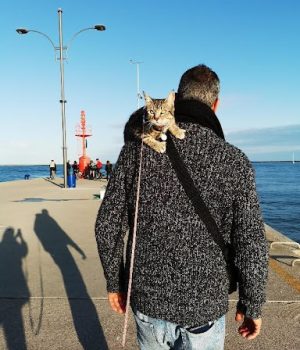
Gigia, still a young cat, was full of curiosity, sticking her head out of her camper (a.k.a. her trusty backpack) as if relishing the same magnificent sights as her human companions.
🚁 Marina di Ravenna: A Helicopter Enters the Story
A little drama unfolded at Marina di Ravenna, where Gigia encountered her first helicopter. The whirring blades and roaring engine were met with wide-eyed suspicion, and it’s safe to say she didn’t take to it (though she did briefly consider swatting it out of the sky—because no one out-dramas a cat).
While Ravenna’s mosaics left us in awe, Gigia’s reaction to the helicopter left us in stitches. However, being the adaptable feline she is, it didn’t take her long to calm down. Soon, she was fascinated by the fishermen on the marina, perhaps plotting to steal one as a playmate—or at least a source of fresh seafood.
🍽️ The Restaurant Where Gigia Became the Star
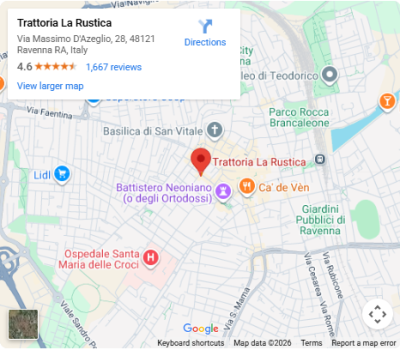
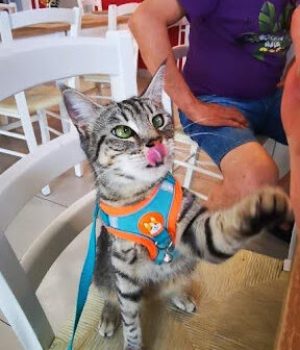
Perhaps the most memorable part of Ravenna, though, was how Gigia became the star of a popular local restaurant. While we lunched on local specialties like piadina, she rested calmly on our dining table in her camper, supervising our table manners with the poise of a seasoned maître d’. The staff couldn’t resist her charm, showering her with admiration and coos—proof that even in a city steeped in history and art, Gigia could steal the spotlight with ease.
🍷 Beyond the Mosaics: Exploring Ravenna’s Culinary Scene
While the mosaics draw visitors worldwide, Ravenna’s food culture deserves equal attention. The city sits at the crossroads of Emilia-Romagna’s rich culinary traditions and the Adriatic coast’s fresh seafood. Local specialties include:
- Piadina – The iconic flatbread of Romagna, stuffed with cheeses, cured meats, and vegetables
- Cappelletti – Local pasta typically served in broth
- Seafood – Fresh from the nearby Adriatic
- Sangiovese wine – The robust red of Romagna
For a deeper dive into the region’s wine culture, don’t miss our guide to Cat-Friendly Wine Bars in Italy, where Gigia has personally tested vineyards and enotecas across the country—including spots where a discerning cat can supervise your tasting with appropriate gravitas.
📋 Planning Your Ravenna Visit
For more on traveling Italy with your feline companion, these resources offer practical advice:
🐱 More Cat-Friendly Italy Resources
🗺️ Exploring Emilia-Romagna
Ravenna is just one jewel in Emilia-Romagna’s cultural crown. For a broader perspective on the region, see our Emilia-Romagna region guide, which covers everything from Bologna’s porticoes to Parma’s cheese halls and Modena’s balsamic cellars.
For upcoming events and festivals, check the official Ravenna tourism site.
Eat & Drink

Explore
Reggio-Emilia (RE)
🇮🇹 Reggio Emilia: Where Culinary Tradition Meets Unexpected Cat-Friendly Moments
Often overshadowed by its more famous neighbors, Reggio Emilia quietly reveals itself as one of the region’s most authentic and rewarding stops—especially for those traveling through Emilia-Romagna with a cat. Known as the birthplace of Italy’s tricolour flag, this elegant town blends deep-rooted history with a relaxed, lived-in atmosphere that invites slower exploration.
🍷 A Vinoteca Moment Worth Remembering
What began as a simple lunch stop quickly turned into something far more memorable.
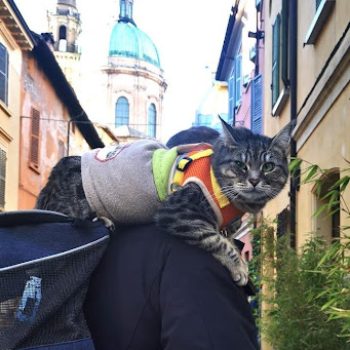
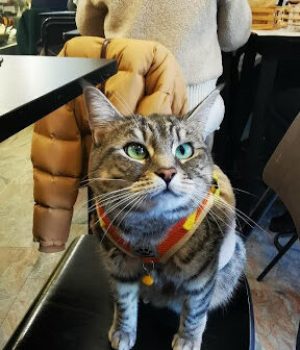
At a sunlit local vinoteca, Gigia transformed an ordinary meal into a performance of pure feline diplomacy. Seated gracefully at the table, she captivated the entire room:
- Waiters paused service to watch
- Diners quietly reached for their phones
- Conversations softened into amused admiration
Her composed presence—paired with the gentle hum of glasses filled with Lambrusco wine—captured something uniquely Italian: the ability to turn everyday moments into lasting memories.
For travelers exploring cat-friendly restaurants in Italy, experiences like this highlight an important truth—smaller cities often offer greater flexibility and warmth than major tourist hubs.
🏛️ Historic Backdrops & Feline Royalty
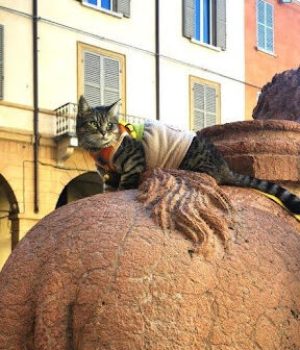
Beyond the table, Reggio Emilia’s cultural charm unfolds in understated ways. At the elegant Basilica di San Prospero, its iconic marble lion statues provided the perfect setting for an impromptu photoshoot. The Museo del Tricolore nearby tells the story of how the Italian flag was born here on January 7, 1797.
For Gigia, these weren’t just historical sculptures—they were stage props.
Positioned beside the weathered stone guardians, she completed the scene with effortless poise, embodying the same quiet authority that defines the town itself.
✨ Why Reggio Emilia Works for Cat-Friendly Travel
Unlike more crowded destinations, Reggio Emilia offers:
- Relaxed dining environments (ideal for traveling with pets)
- Walkable historic streets with minimal stress
- Authentic local experiences over curated tourism
- A slower pace of life, perfect for both humans and cats
For planning your stay, explore cat-friendly agriturismo in Italy for countryside farm stays that welcome feline guests.
And for broader travel strategy, see the ultimate guide to traveling Italy with a cat.
🚗 The Real Value of a “Stopover” Town
Reggio Emilia may not top traditional itineraries—but that’s exactly why it works.
What started as a brief stop became a defining travel memory:
- A shared meal turned into a moment of connection
- A quiet piazza became a stage
- A simple afternoon lingered far longer than expected
For those traveling between major cities like Parma and Modena, Reggio Emilia offers the kind of experience that doesn’t demand attention—but rewards those who pause.
💭 A Different Kind of Travel Memory
As we continued toward Parma, one thing was clear: the most meaningful travel moments aren’t always planned.
Sometimes, they happen in between.
In places like Reggio Emilia—where good food, welcoming locals, and one exceptionally charismatic cat come together—travel becomes less about destinations and more about presence.
For a complete overview of the region’s hidden gems, historic villages, and culinary traditions, explore our Emilia-Romagna region guide.
📚 More Resources for Your Cat-Friendly Italy Trip
Eat & Drink
Explore
Piazza San Prospero
Rimini (RN)
🏖️ Rimini: Adriatic Coast Glamour Meets Cat-Friendly Travel
Few destinations capture the spirit of Italy’s east coast quite like Rimini—a vibrant seaside city where Roman history, beach culture, and cinematic legacy blend along the Adriatic shoreline. Known for its lively atmosphere and iconic waterfront, Rimini offers a very different pace from inland Emilia-Romagna—but one that can still work surprisingly well when traveling Italy with a cat.
🐱 Navigating Rimini (With Feline Authority)
From the bustling promenade to the historic harbor, Rimini is full of movement—yet Gigia approached it all with complete composure. As crowds gathered along the seafront, she moved through the city like a seasoned traveler:
- Unbothered by noise and activity
- Calm amid summer crowds
- Fully in control of the itinerary
For travelers wondering whether busy coastal destinations can work with pets, Rimini proves that with the right approach—and the right cat—it absolutely can. For comprehensive pet-friendly Rimini Italy information, the official tourism site covers dog beaches, pet-friendly hotels, and public transport regulations.
🍽️ A Cat-Friendly Dining Experience at Casina del Bosco
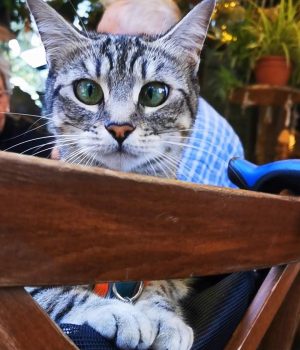
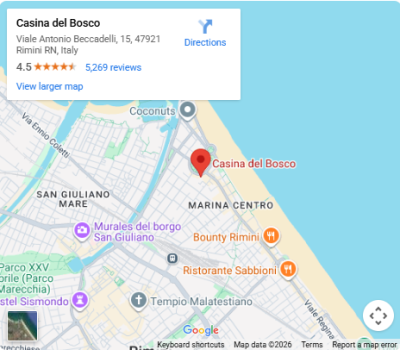
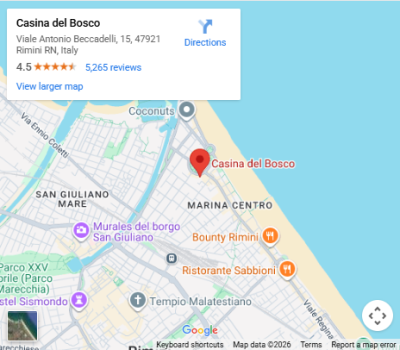
Our escape from the crowds led us to Casina del Bosco, a rustic and welcoming spot just steps from the sea. Known for its relaxed atmosphere and traditional flavors, it provided the perfect setting for a slower, more comfortable experience.
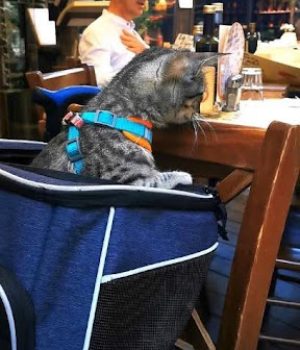
Gigia immediately took charge of the situation:
- Conducting a full “inspection” of her surroundings
- Claiming her seat with unmistakable authority
- Observing staff and diners with quiet judgment
The highlight, naturally, was the food.
Rimini is famous for its street food culture, and nothing represents it better than piadina—served warm and filled with local ingredients like creamy stracchino. (Gambero Rosso’s guide features Casina del Bosco as “a great Rimini classic where generations have met.”)
While technically not on the menu, Gigia ensured she participated.
✨ Why Rimini Works for Cat-Friendly Coastal Travel
Despite its reputation as a busy beach destination, Rimini offers several advantages:
- Wide, open promenades (easier navigation with pets)
- Pet-friendly outdoor dining options
- Flexible, informal atmosphere in many local establishments
- Access to quieter corners just beyond the main tourist zones
For accommodation planning, see cat-friendly hotels in Italy. For budget-conscious travelers, explore budget-friendly farm stays in Italy (2026 Guide) for rural alternatives.
For choosing the right areas in busy cities, explore how to choose quiet neighborhoods in Italian cities.
🏛️ Beyond the Beach: Rimini’s Cultural Layer
While many visitors focus on the coastline, Rimini also holds significant historical depth. The Arch of Augustus (27 BC) is the oldest surviving Roman triumphal arch in northern Italy, and the Tiberius Bridge (completed in 21 AD) remains one of the best-preserved Roman bridges still in use today.
But as always, perspective matters.
🌅 When the Destination Becomes the Background
As the Adriatic shimmered in the background and plates of piadina arrived at the table, it became clear: Rimini’s true highlight wasn’t the view.
It was the moment.
A simple lunch transformed into something memorable—not because of where we were, but because of how it was experienced. With one cat quietly commanding attention, even the most iconic setting became secondary.
For a complete overview of things to do Rimini Italy —from Roman landmarks to beach clubs and Borgo San Giuliano’s Fellini murals—this UK travel feature captures the city’s authentic seaside charm.
🌟 Rimini, Reimagined
Rimini may be known for its beaches, nightlife, and history—but for those traveling differently, it offers something more subtle:
- A chance to slow down within a fast-paced environment
- A balance between energy and retreat
- Unexpected moments that redefine the experience
And sometimes, all it takes is one cat—and a piece of piadina—to make it unforgettable.
For more traveling Italy with a cat, explore our complete master guide.
📚 More Resources for Your Cat-Friendly Italy Trip
Eat & Drink
Travo (PC)
🏞️ Travo & Val Trebbia: A Quiet Emilia-Romagna Escape for Cat-Friendly Travel
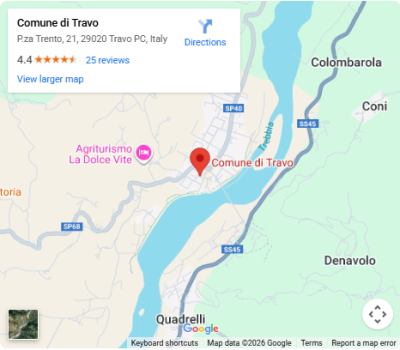
Tucked into the lush landscapes of the Val Trebbia, the village of Travo offers a slower, more contemplative side of Emilia-Romagna. Known for its archaeological park and panoramic views, Travo is the kind of place that rewards those willing to step off the main tourist trail—especially travelers exploring Italy with a cat.
🌿 Countryside Calm (and Feline Perspective)
Surrounded by rolling hills and open green spaces, Travo provides an ideal setting for low-stress travel:
- Minimal traffic and noise
- Expansive natural surroundings
- A relaxed village atmosphere
While the region is rich in history and scenery, Gigia approached it with her usual practicality—evaluating the terrain less for its archaeological significance and more for its… functional outdoor potential.
For travelers seeking pet-friendly countryside destinations in Emilia-Romagna, areas like Val Trebbia offer exactly what cities cannot: freedom, space, and quiet exploration.
🏛️ A Classic Italian Piazza Encounter
The true highlight of Travo wasn’t its landscape—but a fleeting moment in the village square.
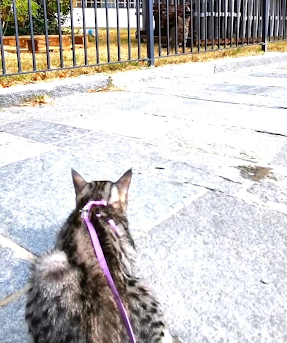
Here, Gigia encountered a local cat, resulting in a perfectly choreographed feline exchange:
- Stillness
- Observation
- Silent negotiation
For a brief moment, the two held each other’s gaze—an unspoken dialogue of curiosity and territorial diplomacy.
And then… nothing.
With a dismissive flick of the tail, the local cat disengaged, leaving Gigia to process what can only be described as a rare social rejection.
✨ Why Travo Works for Cat-Friendly Travel
Despite its small size, Travo offers several advantages:
- Quiet piazzas and open spaces for relaxed movement
- Low tourist density, reducing stress for pets
- Access to nature without the challenges of remote mountain terrain
- Authentic village atmosphere with minimal disruption
For planning your stay in similar areas, explore cat-friendly agriturismo Italy guide.
And for broader accommodation strategy, see cat-friendly hotels in Italy.
🏛️ Beyond the Piazza: Travo’s Cultural Treasures
Travo is home to the Parco Archeologico di Travo, a Neolithic village park established in 2006 that protects one of the most important prehistoric sites in northern Italy. The park features reconstructed Neolithic huts and is part of EXARC, the European network of Archaeological Open Air Museums.
The village is also dominated by the Castello Anguissola, which has housed the Anguissola family for over five centuries and now contains the Civic Archaeological Museum, with collections spanning from Palaeolithic to Roman times.
🌄 The Beauty of Unplanned Moments
After the brief social setback, Gigia quickly redirected her attention—claiming a sunlit bench and leaving behind a generous layer of fur as her mark on the village.
Because in places like Travo, the experience isn’t defined by major landmarks.
It’s shaped by moments:
- A quiet square
- A near encounter
- A pause that lingers longer than expected
🌟 A Different Kind of Destination
Travo doesn’t compete with Italy’s headline destinations—and that’s precisely its appeal.
Here, travel becomes quieter, slower, and more personal.
For Gigia, it was a place of observation, subtle drama, and strategic retreat.
For travelers, it’s a reminder that not every destination needs to impress—some simply need to be experienced.
For more traveling Italy with a cat, explore our complete master guide.