Things to Do in Venice: Carnevale, Culture & City Rituals
Venice has inspired centuries of poets, painters, and travelers. Yet beyond the grand facades and postcard views lies a city best understood through lived experience — especially during Carnevale.
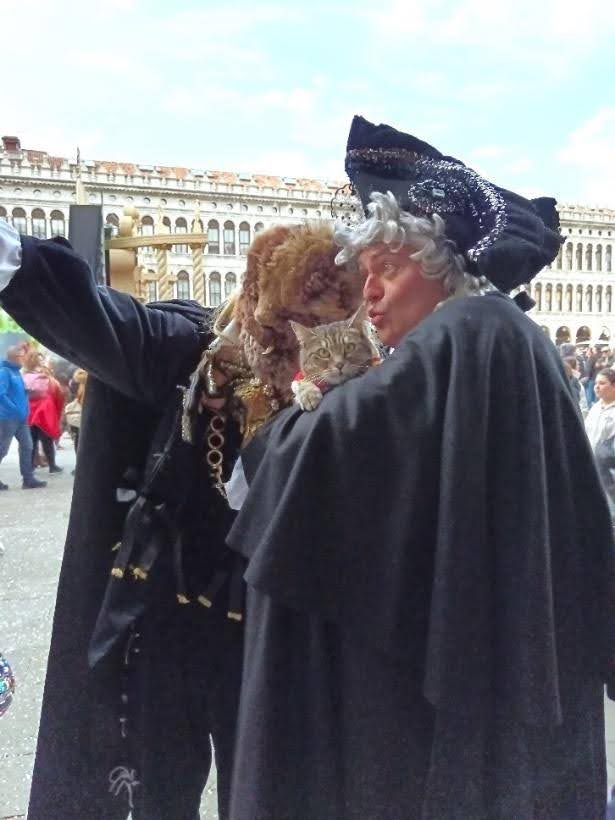
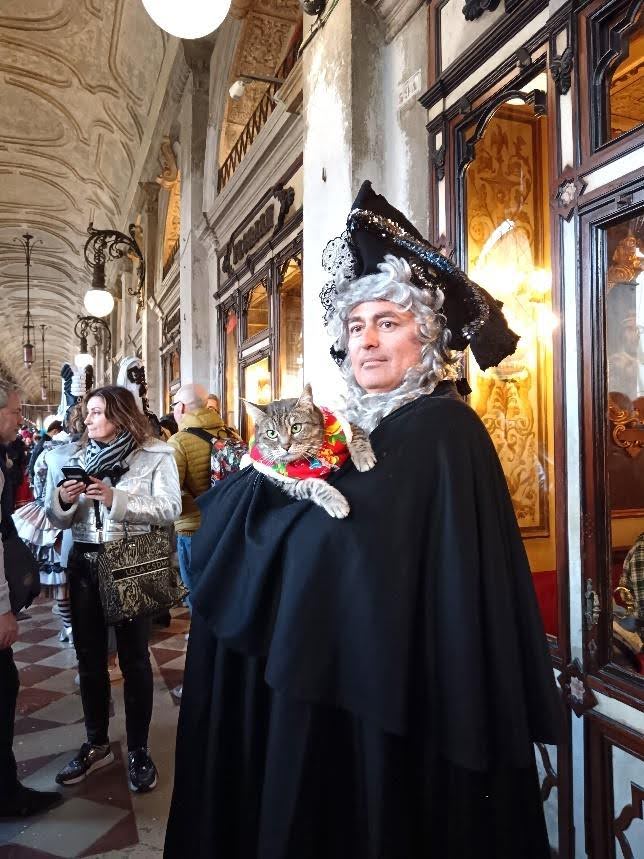
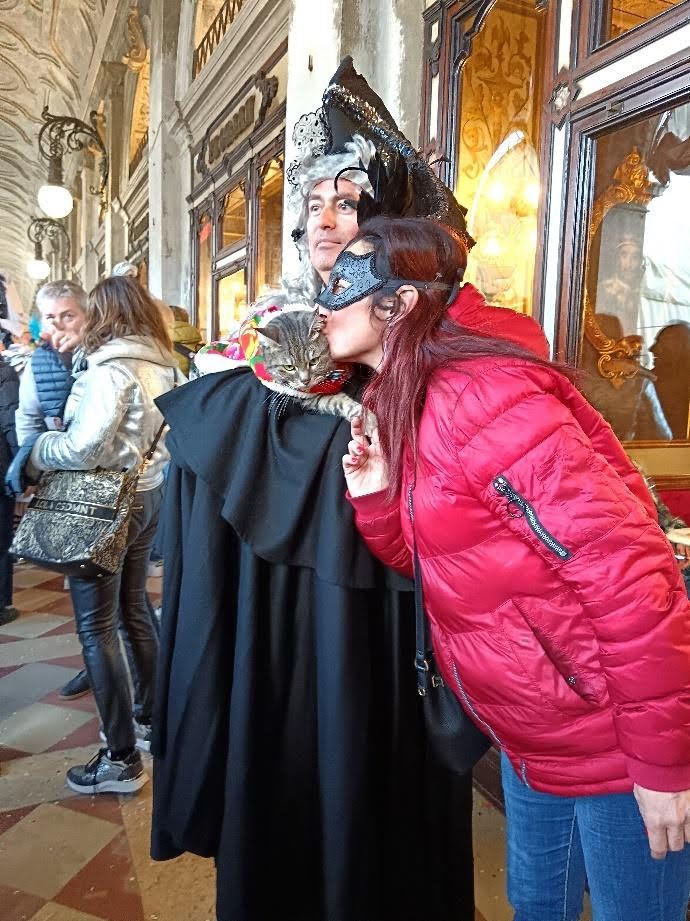
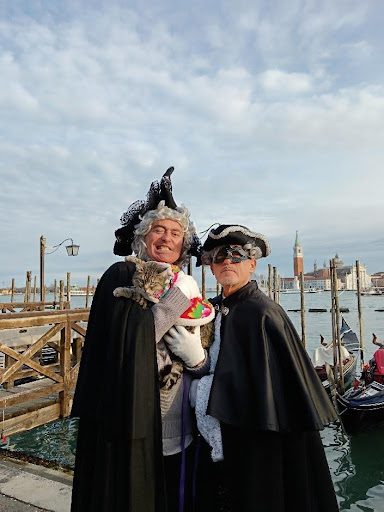
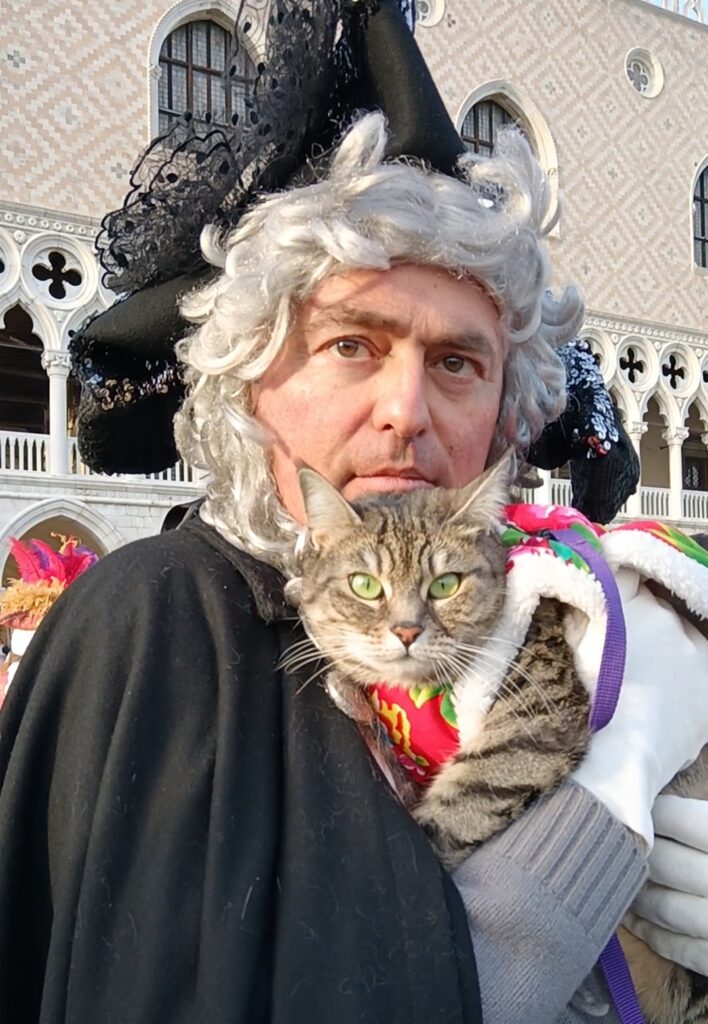
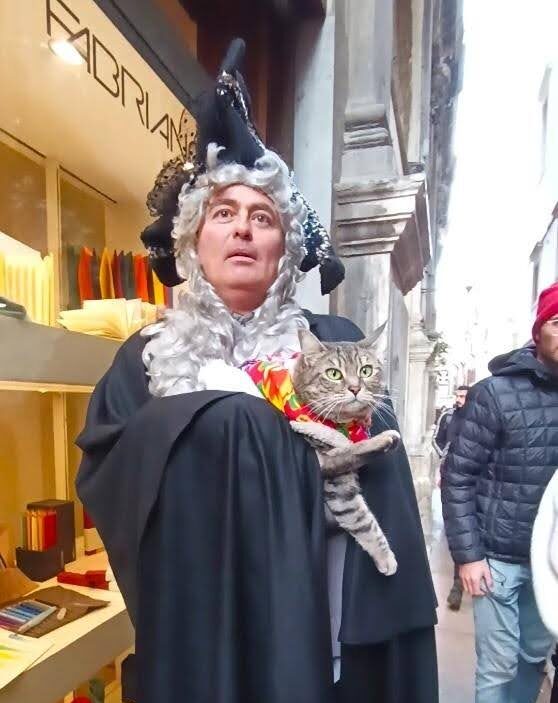
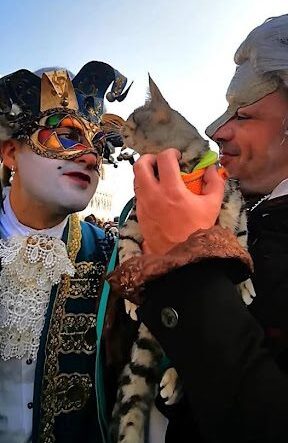
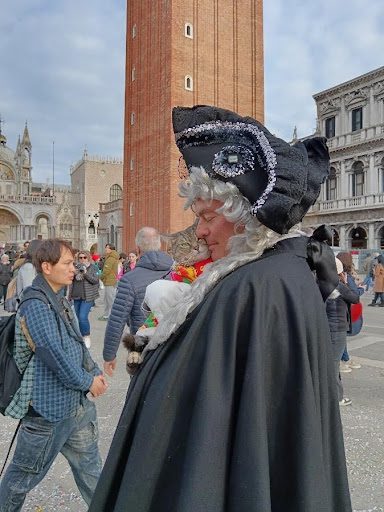
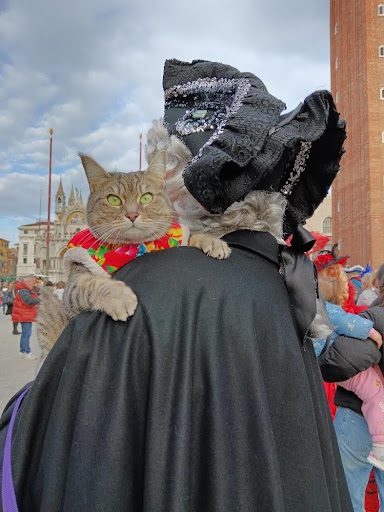
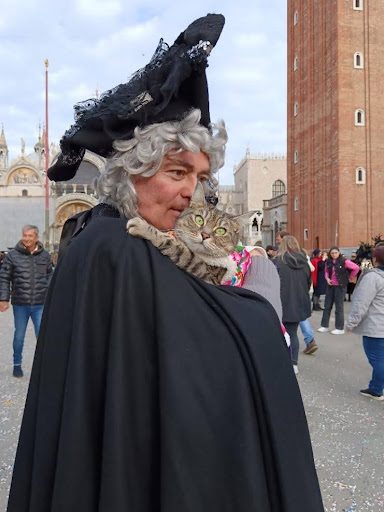
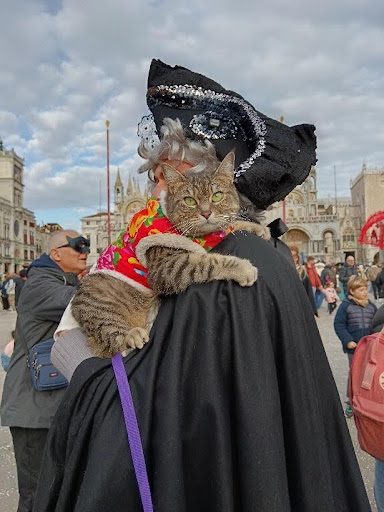
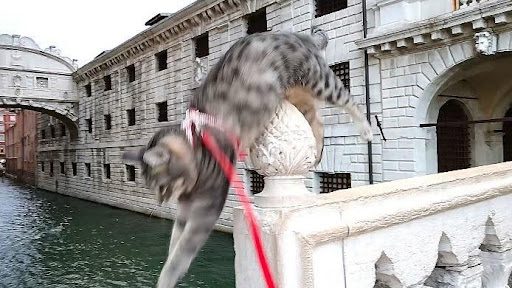
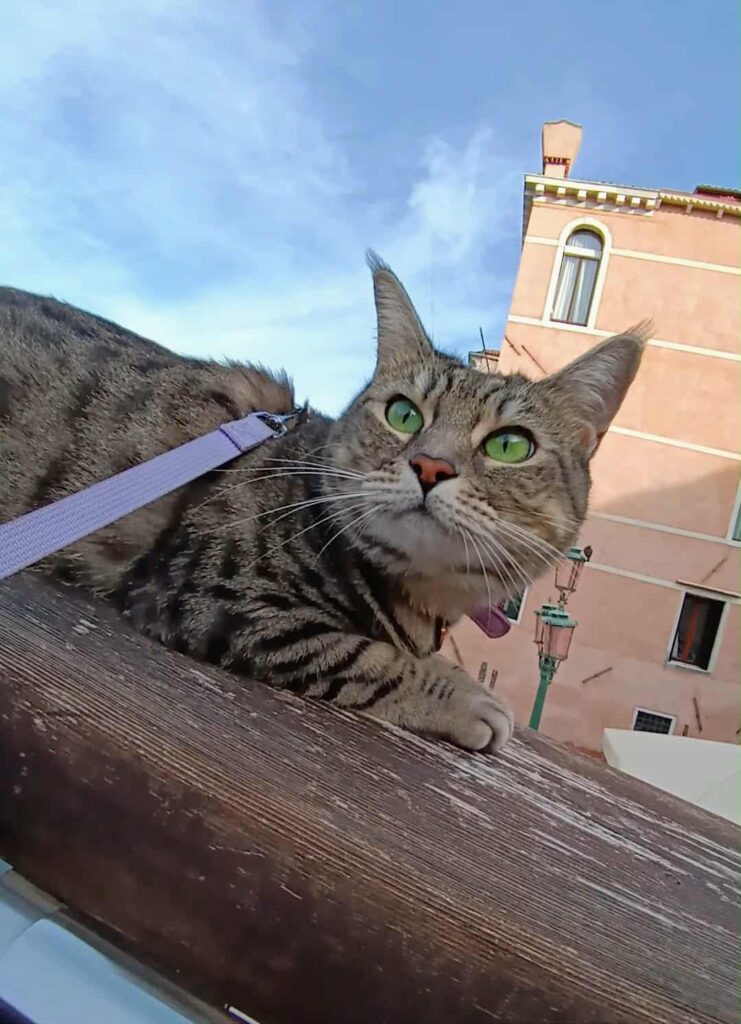
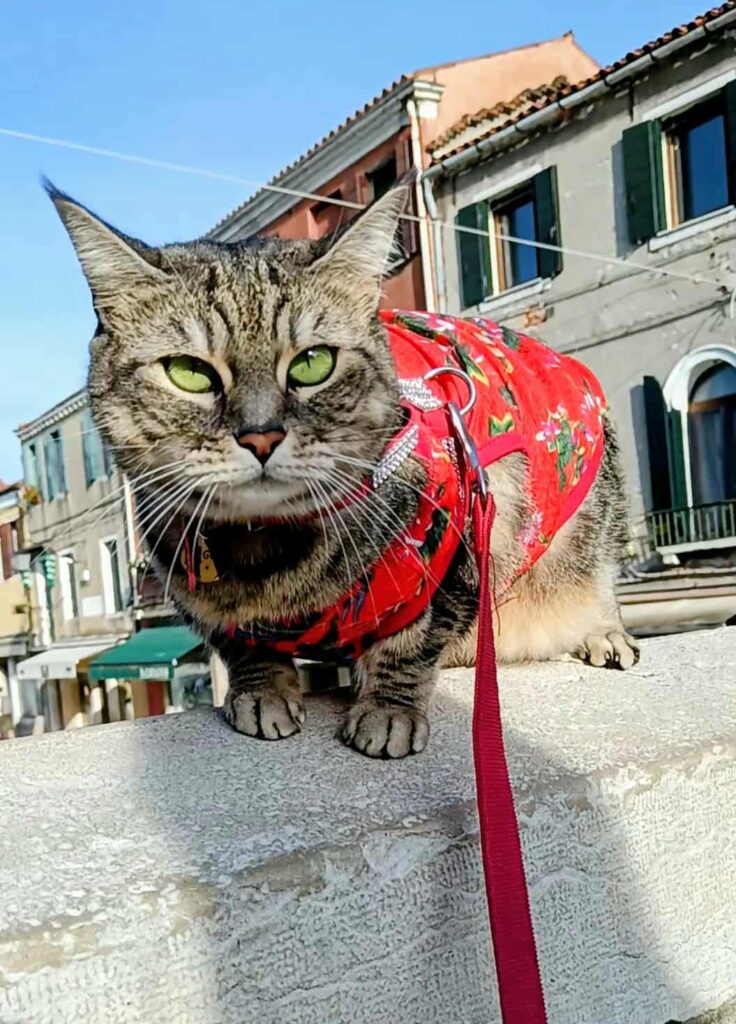
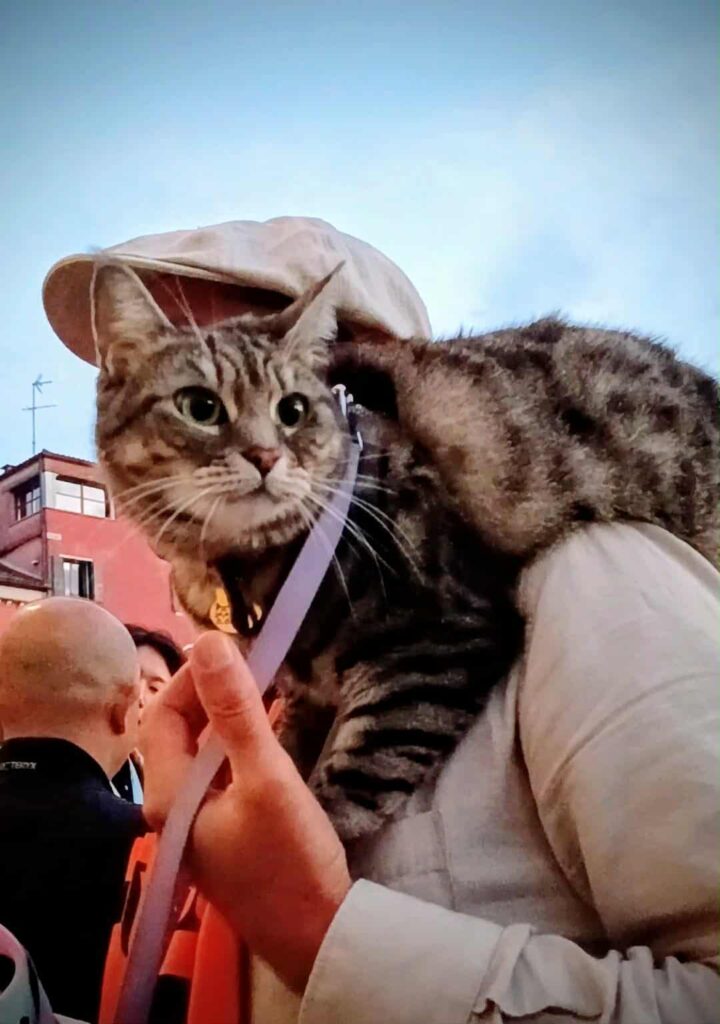
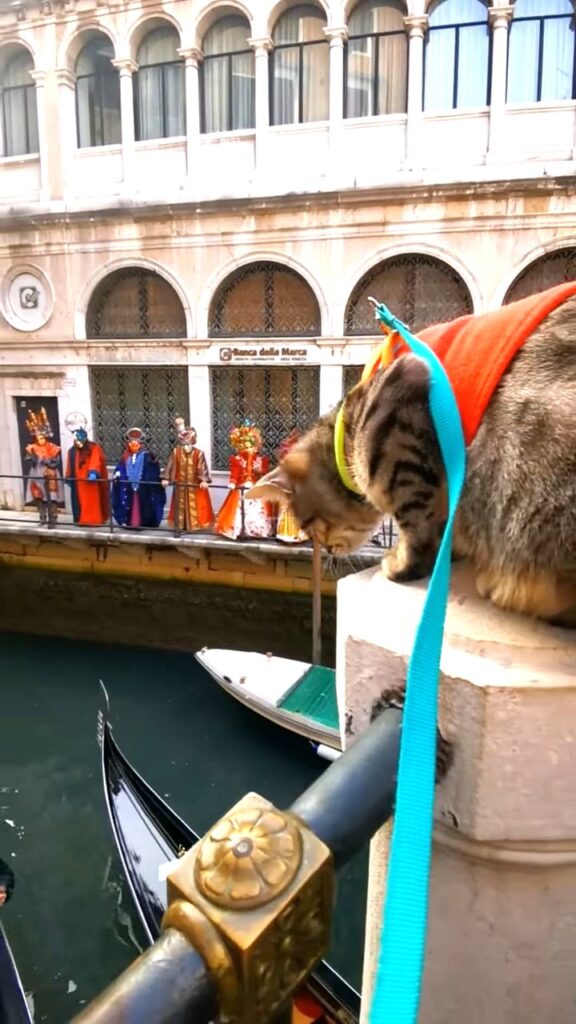
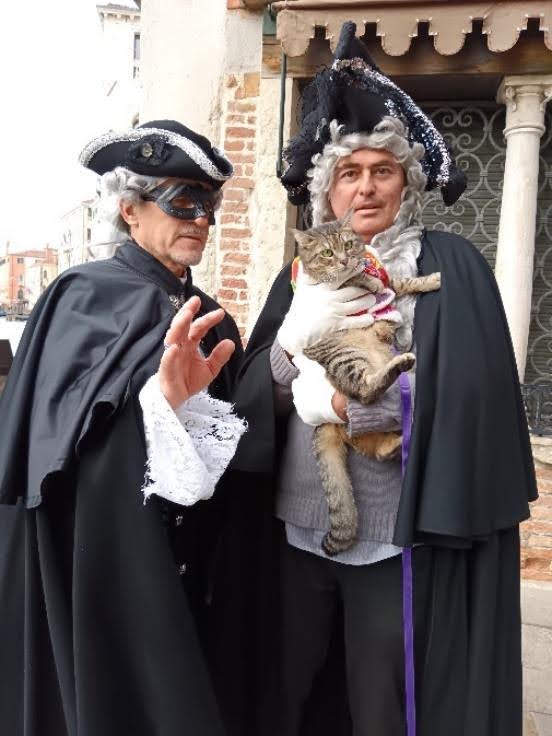
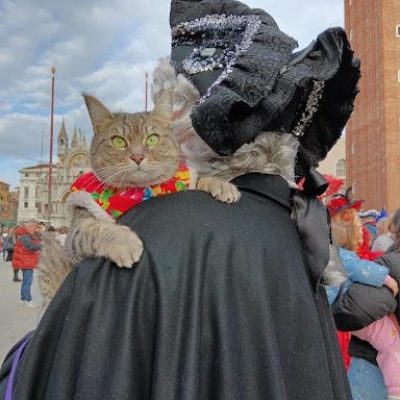
Gigia visited Venice during Carnevale 2025, when masked figures filled the calli and Piazza San Marco transformed into a theatrical backdrop of silk capes, bauta masks, and 18th-century silhouettes. While most visitors concentrated in the main squares, we explored side streets and neighborhood corners where festival and daily life intersected.
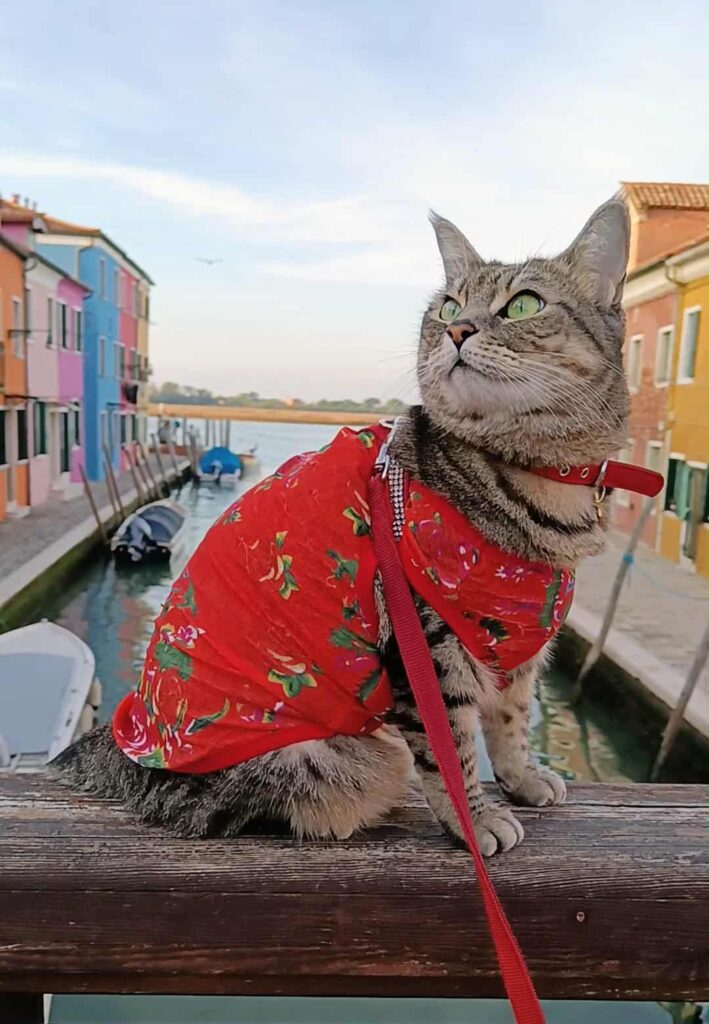
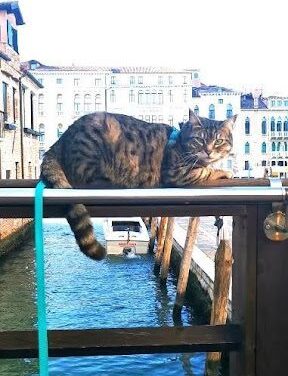
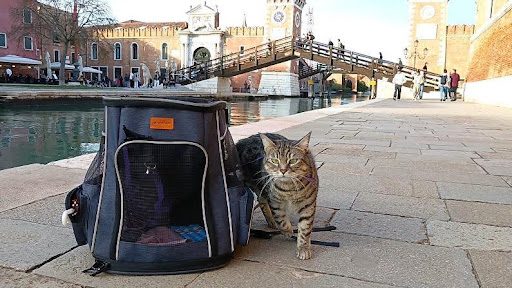
Planning a trip with your cat? Discover more about cat-friendly Venice and find the best pet-friendly hotels in Venice for your stay.
Carnevale Beyond Piazza San Marco
Carnevale is not confined to the iconic landmarks. In residential districts, costumed Venetians gather outside local osterie, blending historical pageantry with ordinary routine.
The contrast is striking: elaborate brocade and powdered wigs framed by weathered brick walls, laundry lines, and small courtyard entrances. It is here — away from the densest crowds — that Venice feels less staged and more layered.
A Practical Reality: Venice Has Almost No Green Space
Venice is built of stone, marble, and water. Public grass is rare. Parks are limited. Even small plants in courtyards become noticeable features in an otherwise mineral cityscape.
During Carnevale, this architectural reality led to an unexpectedly memorable moment.
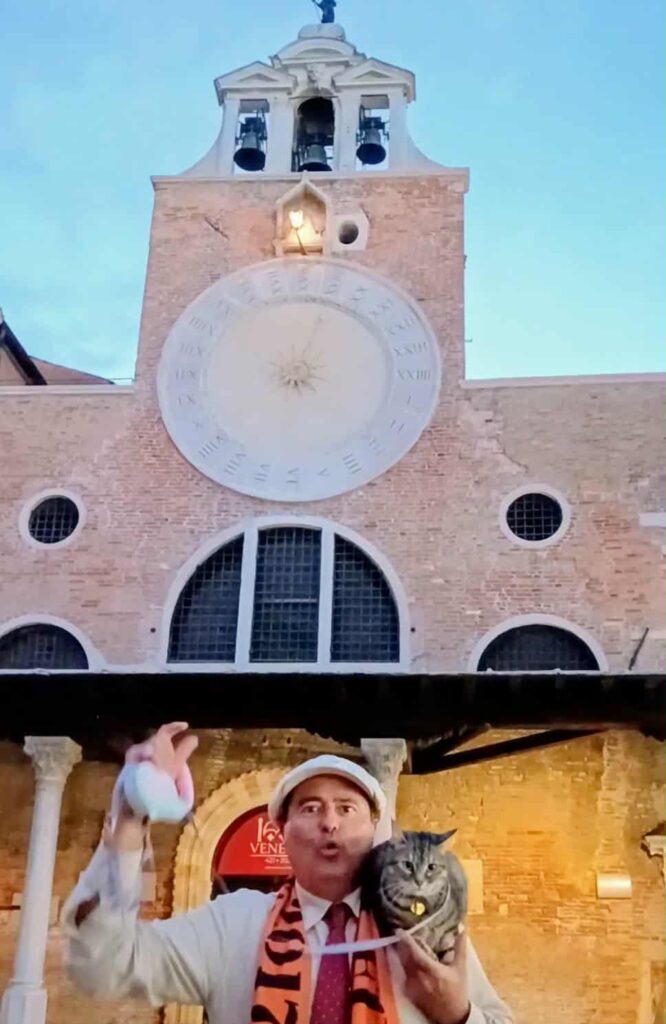
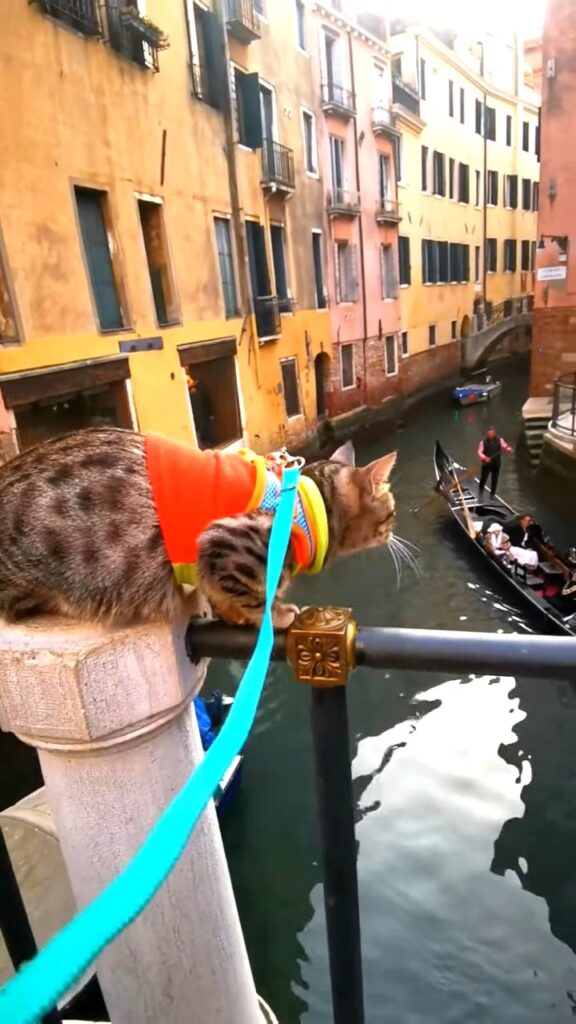
In the middle of the festivities, while masked revelers debated historical costume details and waiters navigated the festival rush, we encountered what felt like a rarity in central Venice: a solitary potted plant placed outside a small osteria along a narrow calle.
It became, briefly, the center of attention.
The scene was less scandal than spontaneous street theatre — a reminder that Venice constantly balances performance and practicality. A waiter intervened with understandable concern, tourists reacted with amusement, and local passersby remained characteristically unperturbed.
The episode highlighted something essential about Venice: even during its most theatrical season, it remains a functioning city, where residents, workers, and visitors negotiate space in real time.
Observing the City in Motion
One of the most revealing aspects of Venice during Carnevale is not the costumes themselves, but public response.
Tourists applaud, locals continue their errands, waiters defend their thresholds, gondoliers observe quietly. Within a few meters, you witness spectacle, indifference, irritation, and humor — all coexisting naturally.
Venice is both stage and city. Carnevale amplifies this dual identity.
Experiencing Venice Thoughtfully
If visiting during Carnevale:
- Explore early mornings or late afternoons to avoid peak density
- Step away from Piazza San Marco into quieter sestieri
- Combine festival exploration with neighborhood wine bars
For refuge from crowds, see our Venice Bacari Guide for traditional cicchetti bars that offer more grounded experiences.
For accommodation planning during high-demand periods, consult our guide to booking stays in Venice using platforms like Booking and Airbnb strategically.
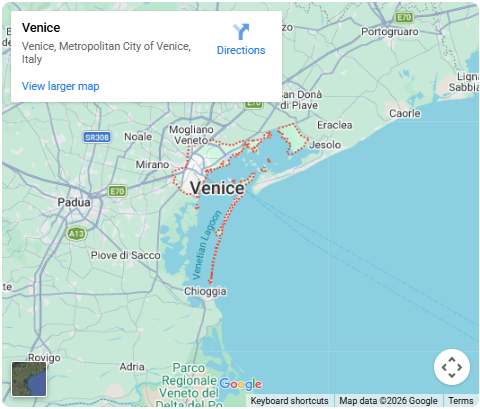
For broader regional context, explore our Veneto Region guide to understand how Venice connects to Treviso, the Venice Province coast, and surrounding mainland towns.
Venice as Living Theatre
Venice does not require embellishment. Its architecture already creates drama; Carnevale simply intensifies it.
The city rewards those who notice details — the echo of footsteps in narrow alleys, the way costumes turn corners into tableaux, and the quick return to normal rhythms once the masks come off.
Even a single potted plant can become part of the story.