Tuscany: Hills, History & Welcoming Horizons
Tuscany is often described as the heart of Italy’s cultural identity—a landscape of rolling vineyards, cypress-lined roads, and hilltop towns that have drawn travelers for centuries. Yet beyond the postcard views, the region offers a density of art, history, and terrain that rewards slower, more intentional exploration.
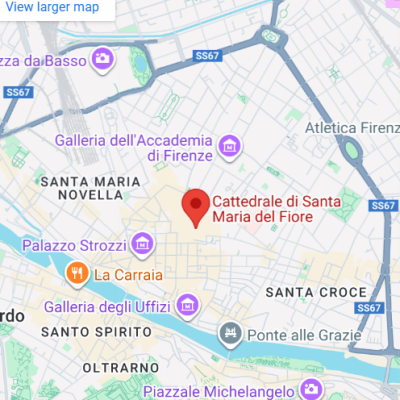
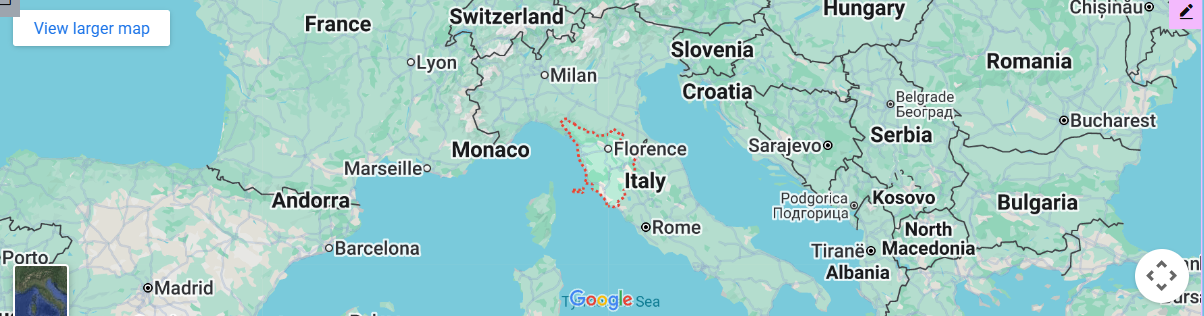
This regional guide is rooted in direct experience. Gigia has personally explored three distinct corners of Tuscany: the Renaissance density of Florence, the open thermal landscapes of Saturnia, and the coastal quiet of Porto Ercole on the Monte Argentario peninsula. You can explore these locations in detail below.
Renaissance Cities & Medieval Hill Towns
Florence anchors Tuscany’s artistic legacy, yet the region’s character extends across dozens of smaller centers. From the towers of San Gimignano to the Duomo of Siena and the walls of Lucca, each town offers a distinct rhythm. Many of these centers feature pedestrian historic cores and manageable scales—qualities appreciated by calm travelers and cat lovers who prefer environments that feel welcoming rather than overwhelming.
Thermal Springs & Southern Landscapes
Southern Tuscany unfolds into a different terrain: open skies, thermal springs, and Etruscan settlements. Saturnia’s Cascate del Mulino draws visitors seeking the therapeutic reputation of its waters, while the surrounding Val d’Orcia offers some of Italy’s most photographed—and genuinely peaceful—countryside.
Coastal Tuscany & the Argentario
The Tuscan coast includes stretches of sandy beach, pine forests, and the distinctive promontory of Monte Argentario. Porto Ercole and Porto Santo Stefano maintain working harbor atmospheres, providing a contrast to the region’s inland hill towns. The nearby Orbetello Lagoon and Maremma coastline extend the range of landscapes accessible from a single base.
Planning Your Stay in Tuscany
If you are planning to explore the region, start with our complete guide to traveling Italy with your cat, which covers entry requirements, transport logistics, and the “portable safe house” method that makes travel manageable for felines.
For accommodation, many travelers dream of a countryside base. Our guide to finding a cat-friendly agriturismo in Italy explains how to identify farm stays with secure perimeters, independent layouts, and hosts who understand feline needs—qualities that matter far more than a simple “pets allowed” checkbox.
We also recommend our guide to finding cat-friendly accommodation in Italy, which explains how we use platforms like Booking and Airbnb to identify genuinely welcoming properties in both cities and countryside.
While Florence remains Tuscany’s gravitational center, the surrounding towns and landscapes reveal a different dimension of central Italy—one that rewards slow exploration and thoughtful planning.
Florence
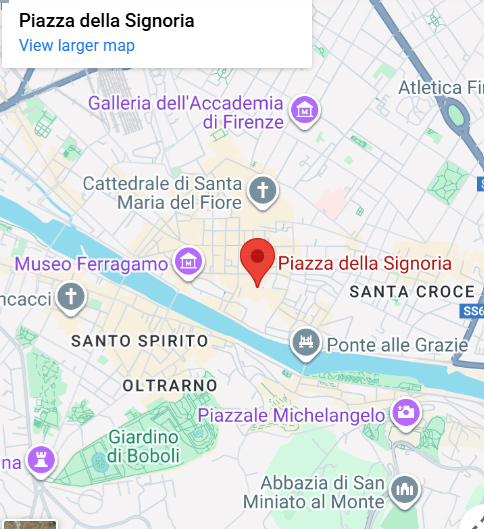
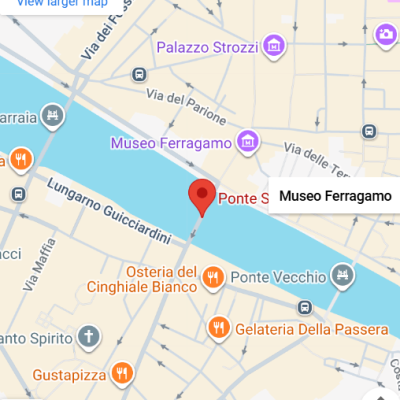
Florence needs no introduction. As the cradle of the Renaissance, it draws millions of visitors to its cathedral dome, its bridges across the Arno, and its galleries filled with Botticellis and Michelangelos. The historic center, a UNESCO World Heritage site, concentrates an extraordinary density of art and architecture within walkable streets—the Duomo, the Uffizi, the Accademia, the Ponte Vecchio. For first-time visitors, these landmarks define the Florentine experience.
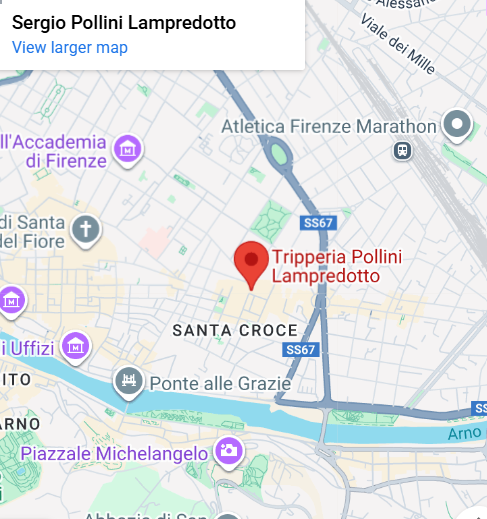
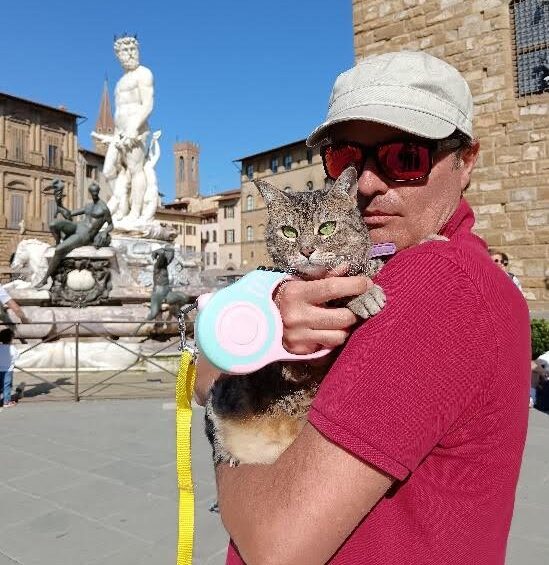
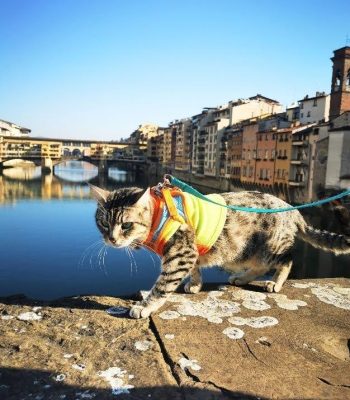
Yet every city reveals a different character when experienced from ground level. Gigia’s Florence was shaped not by queues and galleries, but by piazzas at quiet hours, the rhythm of neighborhood cafés, and the distinct aroma of lampredotto drifting from street carts.
Why Florence Works for Cat Lovers
Florence’s walkable historic center, pedestrianized streets, and outdoor café culture make it more adaptable to feline presence than many dense European capitals. The key is choosing the right neighborhood and timing—early mornings and evenings offer calmer exploration before crowds arrive. Gigia found that even iconic spaces like the Duomo piazza become manageable outside peak hours, and the city’s many street-level attractions (lampredotto carts, neighborhood cafés) mean memorable experiences don’t require entering crowded museums.
Gigia’s Florentine Rhythm
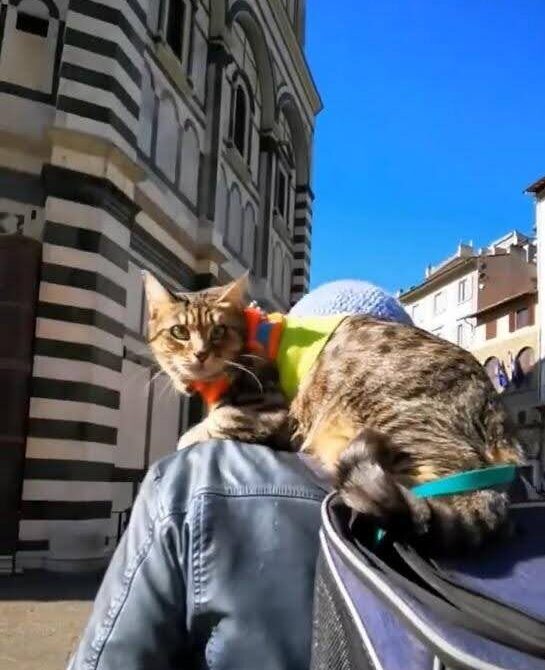
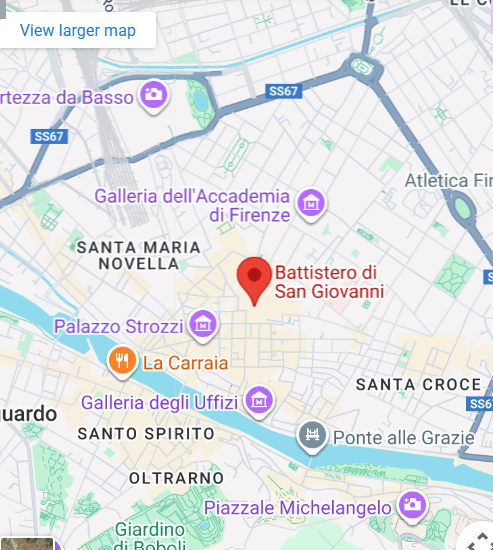
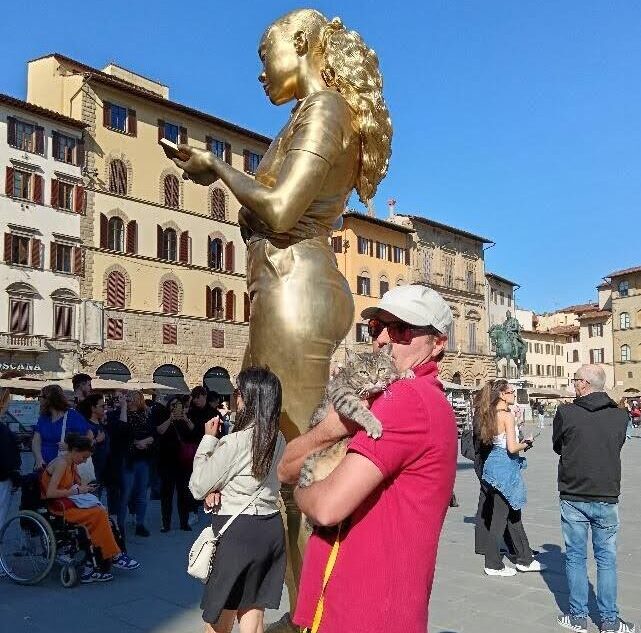
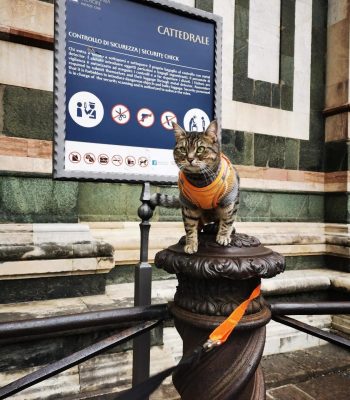
Of course, one must visit the monuments Florence is renowned for, especially on a first visit: the Duomo, with its iconic Brunelleschi dome; the Baptistery of San Giovanni, with its gleaming bronze doors; and the Ponte Santa Trinita, offering postcard-perfect views of the Arno. But while humans queued for a lightning-speed sprint through the cathedral, Gigia was content to admire it from afar, patrolling its perimeter like a tiny, furry sentinel. Who needs to climb 463 steps for a view when you can bask in the piazza?
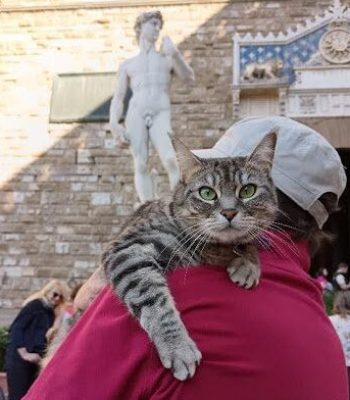
Her distinct tourist behaviour did not go unnoticed. A cat striking poses and gazing thoughtfully at a cathedral is a surefire way to attract attention—and perhaps a few admiring glances (and maybe a stray meatball) from amused onlookers.
Modern Marvels Below Ground
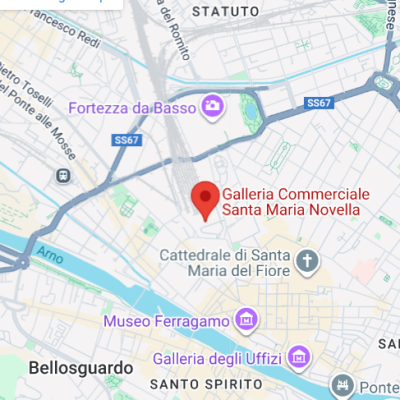
Not all discoveries were ancient. Beneath the Stazione Santa Maria Novella, in its underground shopping centre, Gigia encountered something entirely unexpected: digital waves. Artificial, yes—but impressive nonetheless. For a moment, she considered pouncing, until she remembered she was on solid ground. Even in a city defined by its past, modern surprises await.
Cafés, Carts & Culinary Culture
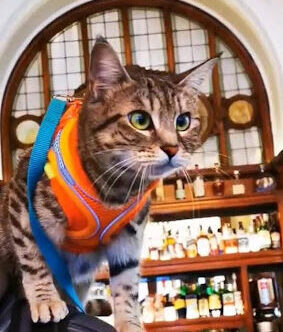
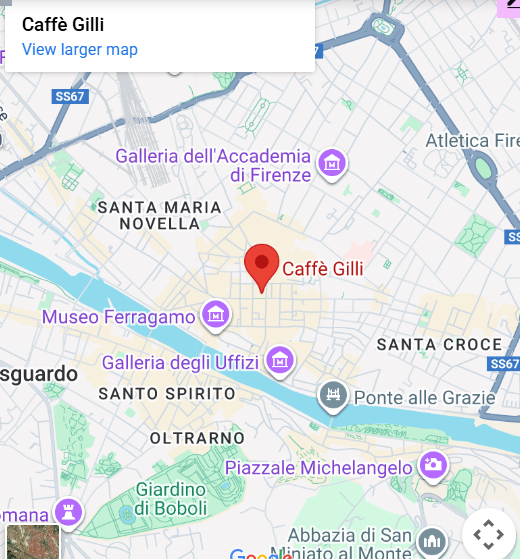
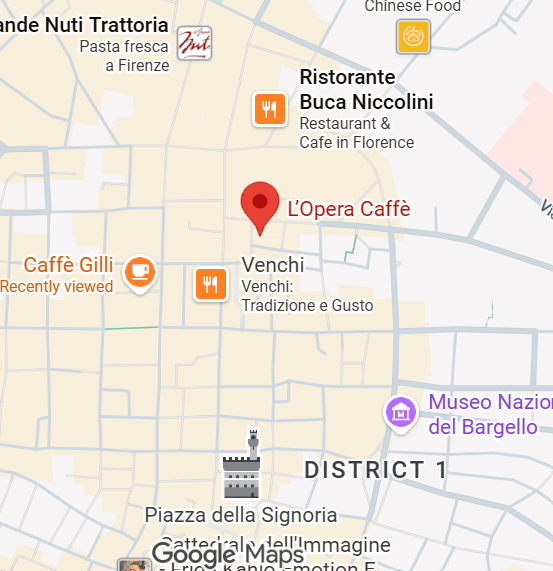
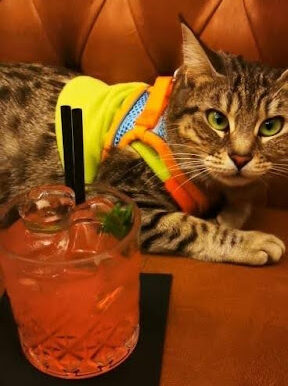
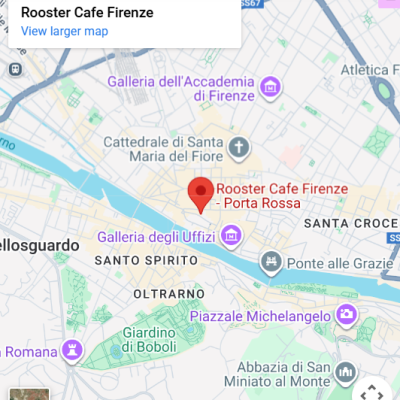
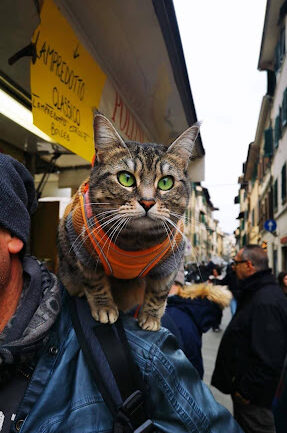
Florence is also a city of cafés, ranging from the trendy Rooster Café to the elegant Caffè dell’Opera, not to mention historic Caffè Gilli—a destination in its own right. But for Gigia, the real stars were the lampredotto trucks dotted around town. She preferred the street-side carts to the market stalls, where tripe-filled sandwiches are served with a side of Florentine charm. Lampredotto wasn’t just a snack—it was a cultural experience, a reminder that even among towering domes, the simplest pleasures often satisfy most.
Where to Stay in Florence
Choosing the right district is essential, particularly when traveling with a cat. Florence’s historic center is dense, but quieter residential neighborhoods offer a more manageable base:
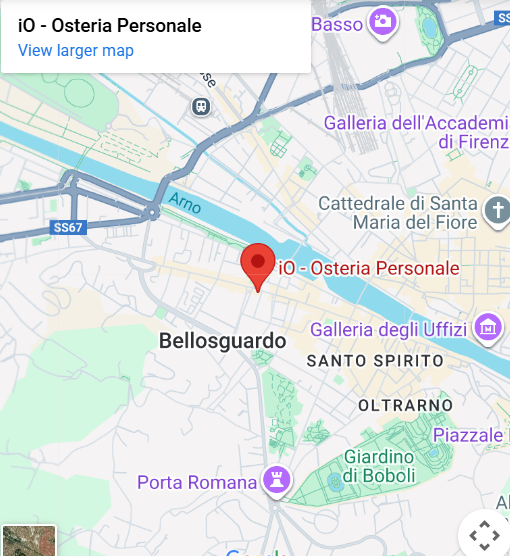
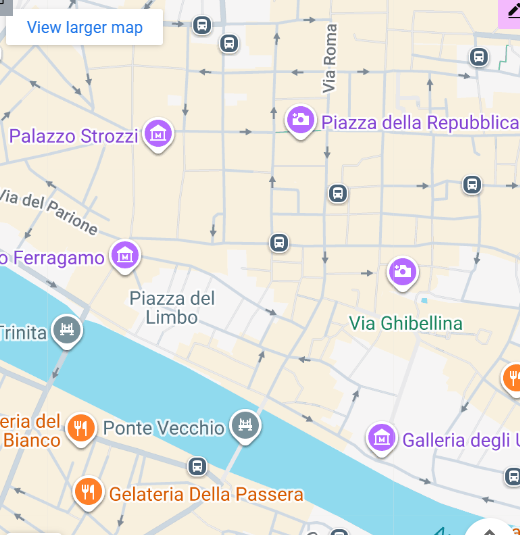
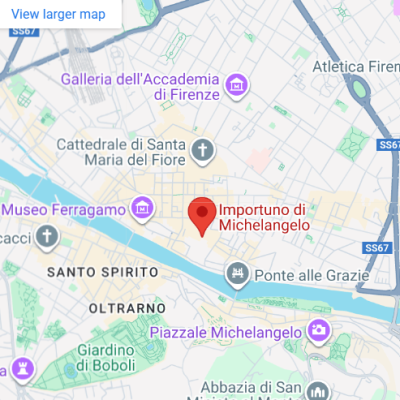
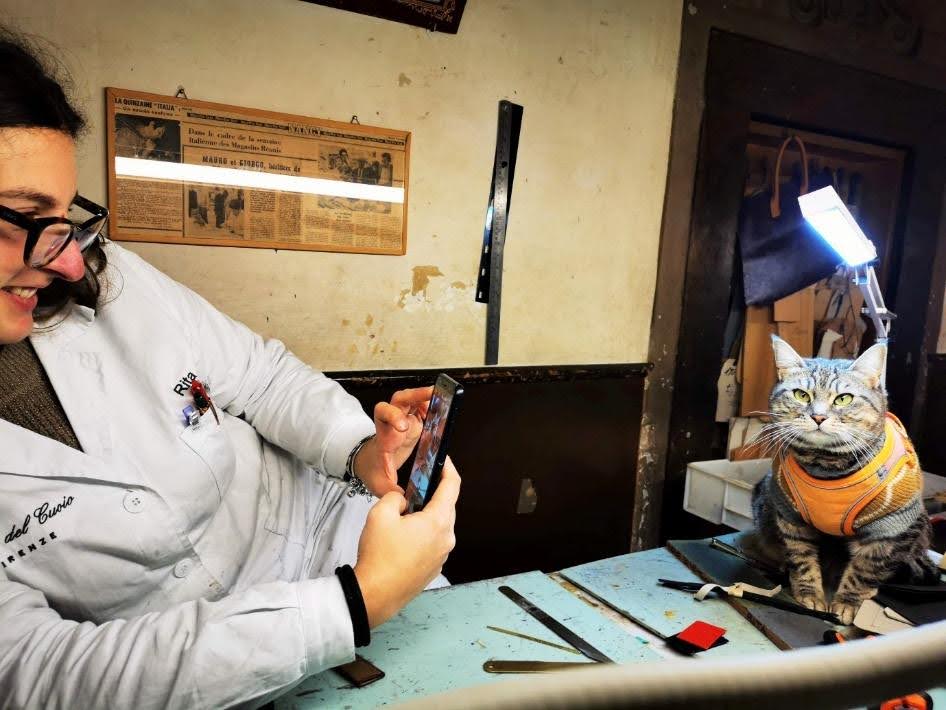
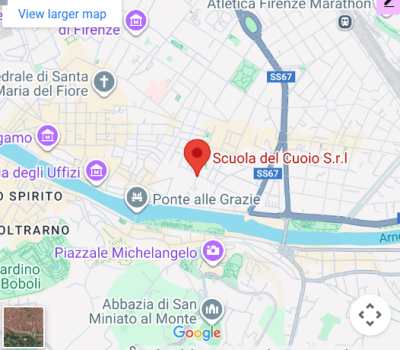
Oltrarno (south of the Arno): Artisan workshops, smaller piazzas, and a more local feel, yet minutes from the Pitti Palace and Santo Spirito.
San Niccolò: Peaceful streets near the Porta San Miniato, with easy access to the Piazzale Michelangelo viewpoint.
Santa Croce (eastern edges): Slightly removed from the core tourist crush, with wider streets and local services.
Our guide to finding cat-friendly accommodation in Italy explains how we evaluate neighborhoods, buildings, and platforms to find properties that balance central access with livable quiet.
Practical Notes for Florence with a Cat
Crowds: Peak seasons (spring, summer, holidays) bring dense crowds. Early mornings and evenings offer calmer exploration.
Green space: Public parks are limited. The Boboli Gardens (behind Pitti Palace) and the Bardini Garden provide rare expanses of grass and shade.
Transport: Florence’s historic center is largely pedestrianized. For longer distances, taxis are the most practical option with a carrier.
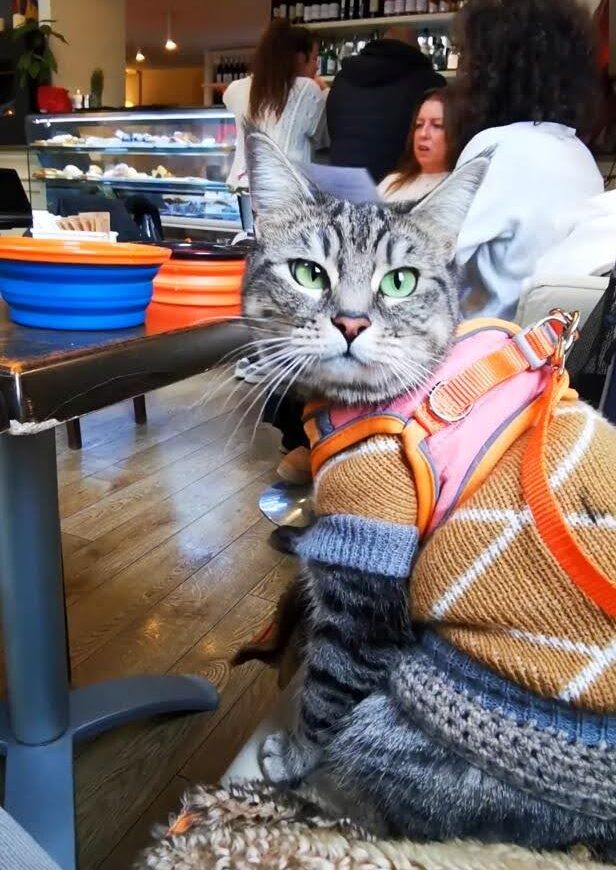
Dining: Many cafés with outdoor seating welcome well-behaved cats on harnesses, especially in Oltrarno.
Nearby Towns: If you have time to venture beyond Florence, several nearby towns reward exploration. The hilltown of Fiesole offers Roman ruins and panoramic views just minutes above the city. Prato and Pistoia provide medieval centers with noticeably fewer visitors. For a longer day trip, Lucca’s intact Renaissance walls and San Gimignano’s famous towers are within easy reach by train or car.
For a broader understanding of travel preparation, including entry requirements and transport logistics, see our complete guide to traveling Italy with your cat. If you are planning to combine city and countryside, our guide to cat-friendly agriturismo in Italy covers farm stays with the secure perimeters cats need.
For a complete overview of traveling in Italy with your cat—including entry requirements, transport across regions, and national accommodation strategies—see our Italy Master Guide.
Gigia’s Florentine Verdict
In the end, Gigia’s Florentine escapade was a blend of old and new, grandeur and whimsy. From the Duomo’s awe-inspiring facade to the digital waves below, she left her paw prints—both literal and metaphorical—on a city that never fails to surprise, delight, and occasionally baffle. And who knows? Maybe one day, Florence will erect a statue in her honour: “Gigia, the Distinct Admirer of Domes and Connoisseur of Lampredotto.” A cat can dream.