
Liguria Travel Guide: Coastal Villages, Hidden Gems & Gigia’s Adventures
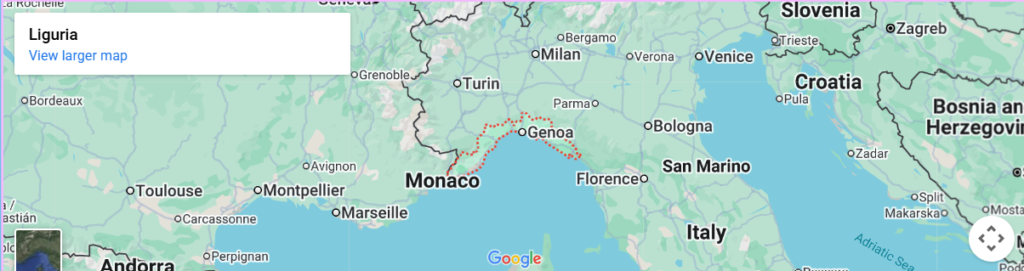
Liguria, the slender coastal region stretching along the northwest of Italy, is one of the country’s most captivating yet surprisingly accessible destinations. Often compared to the French Riviera, Liguria offers equally dramatic scenery—colorful seaside villages, terraced hillsides, and sparkling Mediterranean waters—while retaining a more authentic and relaxed Italian charm.
For travelers searching for coastal towns in Italy, hidden seaside villages, or a more affordable alternative to the Côte d’Azur, Liguria quietly delivers on every front.
For Gigia, of course, it was something else entirely: a sun-drenched kingdom of walls to patrol, viewpoints to conquer, and strategically placed sunbeams to supervise.
🌊 A Coastline of Color, Cliffs, and Character
Liguria’s landscape is defined by its dramatic meeting of mountains and sea. Steep cliffs plunge into turquoise waters, while pastel-painted villages cling to the coastline as if defying gravity.
From the elegant promenades of Sanremo—known as Italy’s “City of Flowers” and home to the famous Sanremo Music Festival—to quieter corners like Cipressa, the region offers a rich variety of coastal experiences.
Gigia approached these landscapes with purpose: walls were walked, corners inspected, and scenic overlooks evaluated with the quiet authority of a cat who assumes every view exists solely for her benefit.
🎨 Art, Villages, and Hidden Gems
Beyond the coastline, Liguria reveals a more unexpected side.
In villages like Valloria—famous for its painted doors—art spills into the streets, transforming everyday spaces into open-air galleries. Naturally, Gigia conducted her own artistic review, offering critiques in the form of strategic pauses, tail flicks, and selective approval.
Meanwhile, in Imperia, she strolled along seaside promenades and beach walls like a seasoned traveler, effortlessly drawing attention without ever appearing to seek it.
🌅 Seaside Views and Slow Travel Moments
Liguria is not just about destinations—it’s about perspective.
At places like the Molo di Alassio in Alassio, the coastline opens into sweeping sea views that invite you to pause.
Gigia did exactly that—gazing out toward the horizon with the expression of a creature contemplating either the meaning of life… or her next meal.
🍝 Flavors of Liguria
Liguria is the birthplace of some of Italy’s most iconic culinary traditions.
This is the home of pesto alla genovese, fragrant olive oil, and simple dishes that celebrate fresh, local ingredients.
While Gigia maintained her strict culinary standards (firmly fish-focused), she took her role as regional food inspector seriously—carefully supervising every meal from a comfortable vantage point.
📍 Explore Liguria
Within Liguria, you’ll find a collection of coastal towns and hidden gems, each offering a distinct experience:
🌟 Why Visit Liguria?
Liguria is one of Italy’s most underrated coastal regions.
It offers fewer crowds than more famous destinations like Cinque Terre or the Amalfi Coast, while delivering equally breathtaking scenery. This is authentic Italy at its most compelling—perfect for travelers seeking slow travel experiences and coastal beauty without the crowds.
For Gigia, it was simple:
A place of endless sun, elevated viewpoints, and uninterrupted opportunities to be admired.
Planning Your Liguria Adventure
For more inspiration and practical advice, explore these resources:
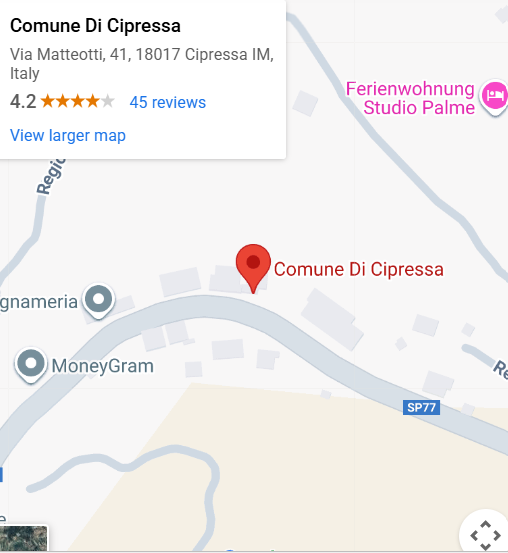
Cipressa (IM)
🌿 Cipressa: Liguria’s Quiet Hilltop Escape Above the Sea
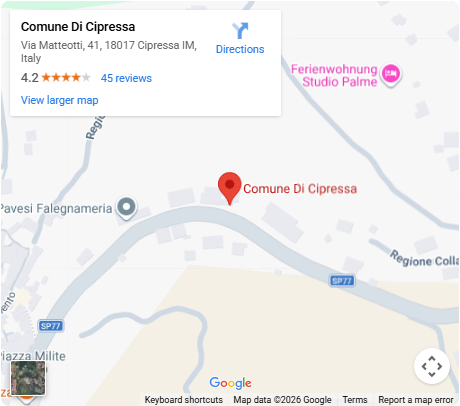
Tucked into the rolling hills of Cipressa, this understated village (population 1,283, elevation 240m) is the kind of place travelers rarely plan for—and often remember the most. Discovered by chance, Cipressa reveals a softer side of Liguria: one that exists beyond the crowded coastline and postcard hotspots.
🏘️ A Village That Doesn’t Try to Impress
Cipressa’s charm unfolds gradually: narrow cobblestone streets winding through pastel houses, terraced hills dotted with olive trees and succulents, and quiet corners where time seems to pause. The roads leading up to the village—lined with sculptural succulent plants—feel almost curated, though entirely natural.
The Church of San Pietro (15th-century parish church) features a baroque façade and a bell tower that serves as a landmark. The 16th-century Gallinara watchtower was built to control the coast up to France. This is Liguria without performance.
🐱 Gigia and the Local Authority
No Italian village is complete without its resident cat.
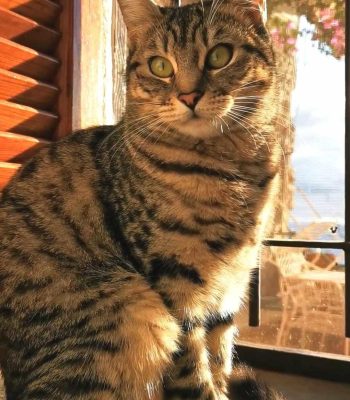
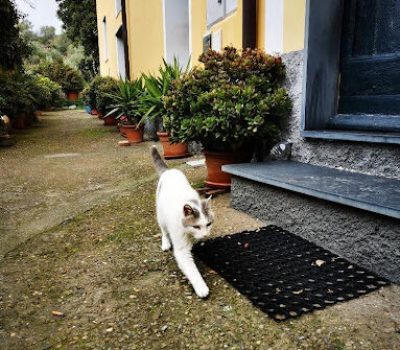
In Cipressa, introductions were… formal. A local feline appeared, offering what may have been a polite greeting, a territorial inspection, or a silent warning. Gigia, naturally, responded with composed diplomacy—acknowledging the encounter with the calm authority of a visitor who fully intends to stay.
🏰 Nearby: Lingueglietta & Medieval Heritage
Just above Cipressa lies Lingueglietta, officially recognized as one of Italy’s most beautiful villages (“I Borghi più Belli d’Italia”). This medieval hamlet (population 1,325, elevation 320m) features carruggi (typical Ligurian alleys) with medieval vaults and arches, ancient units of measurement still marked under the central portico, and the rare San Pietro fortress-church — a unique example of Ligurian “fortress church” combining medieval religious architecture with 16th-century military features.
🚴 Active Exploration: Trails & Cycle Paths
For those who enjoy outdoor activity, the area offers the Riviera dei Fiori Cycle Path — a car-free path on the old railway line along the Ligurian Sea from Sanremo to Imperia. The Sanremo Coastal Cycle Path is a highlight of this network.
The Cipressa – Costarainera trail offers a panoramic route among olive groves and Mediterranean scrub, while mule tracks to Mount Faudo (1,149m elevation) provide opportunities for mountain biking and hiking with expansive views.
✅ Why Cipressa Works as a Base
While small, Cipressa is strategically positioned for exploring the Ligurian coast. It offers elevation (cooler temperatures and open views), distance from coastal crowds, and easy access to nearby seaside towns like Imperia (capital of the province) and Sanremo. From here, you can explore the Riviera—then return to quiet.
For travelers with cats, this balance is critical.
🌅 A Different Rhythm of Travel
In Cipressa, the experience shifts: mornings begin slowly, often with coffee in near silence; afternoons stretch into unplanned walks; evenings settle into golden light over the sea. The views extend toward the Ligurian coastline, where hills meet water in soft gradients of green and blue.
🐱 Traveling with a Cat in Cipressa
Cipressa is particularly well-suited for pet travel:
Advantages:
- Low traffic and minimal noise
- Spacious surroundings
- Calm, predictable environment
Considerations:
- Sloped terrain and stairs
- Occasional encounters with local animals
- Need for secure accommodation setup
For broader planning, see traveling Italy with a cat.
For accommodation strategy, explore cat-friendly hotels in Italy or our guide to how to find truly cat-friendly accommodation in Italy.
🌟 The Value of Serendipity
Cipressa is not a headline destination. It doesn’t compete with places like Portofino or Cinque Terre. And that is precisely its strength.
It offers space, stillness, and authenticity. And sometimes, that is exactly what transforms a trip.
For more Liguria travel guide and hidden villages in Liguria, explore our regional page.
📚 More Resources for Your Cat-Friendly Italy Trip
Explore
Imperia (IM)

🌊 Imperia: Liguria’s Coastal Calm Between Sea, Olive Groves, and Quiet Charm
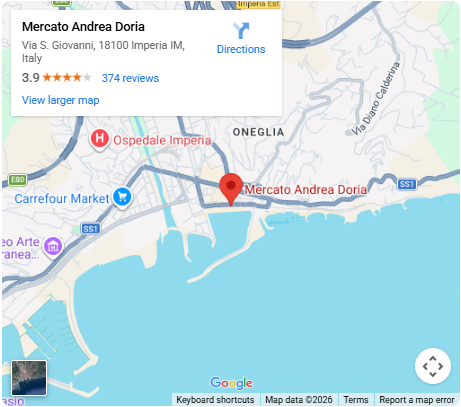
Set along the western Ligurian Riviera, Imperia (population 42,375) offers a softer alternative to the region’s more crowded coastal icons. Formed by the union of Porto Maurizio and Oneglia in 1923, the town blends maritime life, historic character, and one of Italy’s most important olive oil traditions. The hillside district of Porto Maurizio features medieval lanes, Baroque churches, and panoramic terraces, while Oneglia is the historic heart of olive oil commerce and the birthplace of Andrea Doria.
The Cathedral of San Maurizio is one of the largest churches in Liguria, featuring a neoclassical design with a domed interior. The hilltop district of Porto Maurizio old town (Parasio) offers narrow lanes, stairways, and panoramic sea views. But beyond its reputation, Imperia reveals something more valuable: space to slow down.
🚶 A Seaside Promenade, Reimagined
For Gigia, Imperia marked a milestone—her first truly relaxed coastal walk. The Passeggiata degli Innamorati (Lovers’ Walk) is a romantic coastal path connecting Borgo Foce to Borgo Marina, lined with Mediterranean scrub and offering spectacular sea views — perfect for sunset walks.
From the safety of her backpack perch, she observed the world with quiet intensity: the rhythm of waves along the promenade, the movement of people and market stalls, and the subtle choreography of seaside life. The Ligurian breeze passed inspection. The water, however, remained strictly decorative.
🌿 Botanical Distractions (of Great Importance)
While the sea framed the experience, it was the details that captured her attention: leaves to bat, flowers to inspect, and unexpected textures along the promenade. In true feline fashion, the landscape became less about views—and more about interaction.
🛒 A Market Moment
At a local market, Gigia’s presence quickly shifted the atmosphere. A brief stop turned into a small event, as she greeted curious passersby from her backpack throne—accepting admiration with practiced composure. Even in a town known for its olive oil museum in Oneglia and the OliOliva festival (November olive oil celebration), she managed to become the most discussed subject on the street.
🌄 Beyond the Coast: The Molini Detour
Imperia’s real strength lies in what surrounds it. A short drive inland leads to quieter landscapes—like Molini, a small hamlet (frazione of Prelà, 133 residents, 155m elevation) where Liguria reveals its rural side.
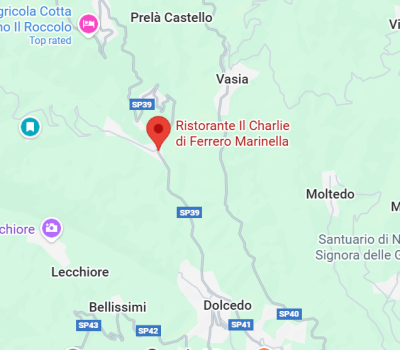
Here, we stopped at Ristorante Il Charlie di Ferrero Marinella, set among stone houses, olive groves, and a gently flowing stream. The family-run restaurant offers traditional Ligurian cuisine and homemade pasta, with positive reviews for its authentic, rustic atmosphere.
While the humans focused on the menu, Gigia chose a more strategic activity: sleeping.
✅ Why Imperia Works for Cat Travel
Compared to busier Ligurian destinations, Imperia offers practical advantages:
Pros:
- Wider promenades and open walking areas
- Lower crowd density
- Access to both coast and countryside
Considerations:
- Occasional traffic near main roads
- Limited shade during peak summer hours
For accommodation planning, see where to stay in Italy with a cat.
For broader strategy, explore traveling Italy with a cat.
🌟 A Different Side of Liguria
Imperia doesn’t compete with the drama of Cinque Terre or the glamour of Portofino. Instead, it offers balance, accessibility, and authentic daily life. It’s a place where travel becomes less about spectacle—and more about rhythm.
For more Liguria travel guide and best coastal towns in Liguria, explore our regional page.
📚 More Resources for Your Cat-Friendly Italy Trip
Eat & Drinks
Explore
Alassio

🏖️ Alassio: Liguria’s Classic Seaside Elegance and the Iconic Molo
Along the Riviera di Ponente, Alassio is one of Liguria’s most recognizable seaside towns—known for its sandy beaches, elegant promenade, and relaxed Mediterranean rhythm.
🌊 Molo di Alassio: A Walk Above the Sea
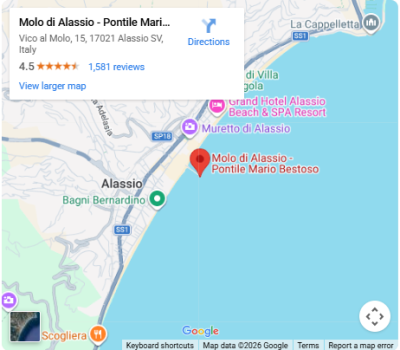
At its heart stands the town’s most photographed landmark: Molo di Alassio (Pontile Mario Bestoso). Stretching into the Ligurian Sea, the pier offers sweeping views over the marina and coastline — an ideal vantage point for experiencing Alassio at its most atmospheric. Open 24 hours, the pier features benches where visitors can sit and enjoy the sea breeze, with panoramic views of Alassio town and Gallinara Island in the distance.
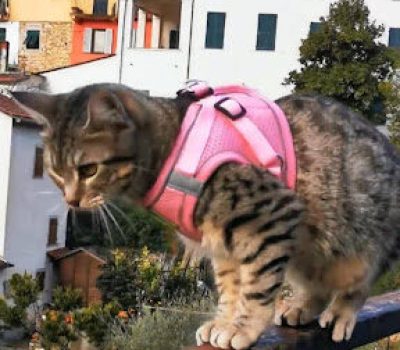
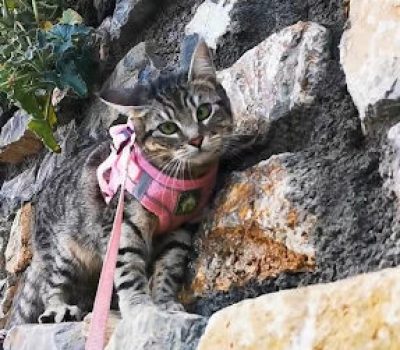
For Gigia, the Molo wasn’t just a viewpoint—it was a stage. From her backpack perch, she observed the world with composed detachment: boats drifting in the marina, sunlight reflecting across the water, and the quiet choreography of seaside life. Her head emerged just enough to monitor activity—never enough to disrupt her comfort.
🏛️ Alassio’s Cultural Icons
Beyond the pier, Alassio offers several distinctive landmarks. According to Alassio’s visitor guide, the Budello di Alassio is a narrow cobbled pedestrian street running parallel to the seafront, lined with boutiques, gelato stands, and cafes — famous for Baci di Alassio (chocolate-hazelnut sweets). The Muretto di Alassio is a ceramic tile wall signed by celebrities including Ernest Hemingway, a cultural symbol of the town. The 16th-century Torrione Saraceno (Saracen Tower) offers panoramic views, and Gallinara Island is accessible by boat excursions for snorkeling in the marine protected area.
The Villa della Pergola gardens (22,000 sq m) are a botanical wonder on the hills behind Alassio, open March to October. The Old English-style garden features wisteria, agapanthus, lotus, citrus flowers, and rare exotic plants, with guided tours available.
🏖️ Alassio Beach
Alassio is known for its sandy beaches with fine, sparkling sand. The Alassio beach area includes a dog-friendly section with extra space between deckchairs, as well as public beach areas on the left and right ends. Sun lounger rentals are approximately €30 for two loungers and an umbrella (weekday rates).
✅ Why Alassio Works
Compared to more dramatic Ligurian destinations, Alassio offers easier access and flatter terrain, wide promenades for walking, and a more relaxed, less vertical layout. For travelers with cats, this makes a noticeable difference.
Advantages:
- Spacious waterfront areas
- Predictable walking routes
- Manageable pace and crowds (outside peak summer)
Considerations:
- Busy during high season
- Limited shade along exposed areas
For help finding the right place to stay, see our guide on how to find truly cat-friendly accommodation in Italy.
For broader planning, explore traveling Italy with a cat.
🌟 A Riviera Classic, Reinterpreted
Alassio may be known for its beaches and social atmosphere, but moments like the Molo reveal a quieter side: sea, light, movement, observation. And occasionally… a cat calmly overseeing it all.
For more Liguria travel guide and best beaches in Liguria, explore our regional page.
📚 More Resources for Your Cat-Friendly Italy Trip
Sanremo (IM)

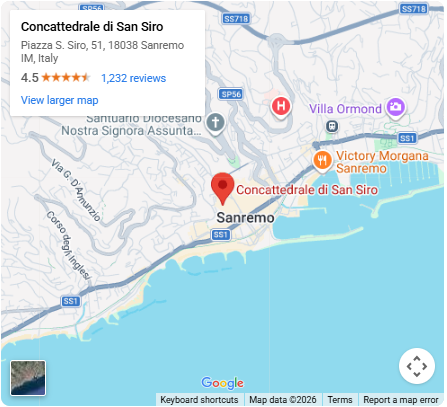
🎵 Sanremo: The City of Flowers, Music, and Riviera Elegance
Known as the “City of Flowers,” Sanremo blends Belle Époque elegance with coastal energy, making it one of the most iconic destinations on the Italian Riviera. Famous for the legendary Sanremo Music Festival (76th edition, Teatro Ariston, Feb 24-28, 2026), the town has long been a stage for culture, performance, and spectacle—though not all critics are equally impressed.
🎭 A City of Performance (and Selective Appreciation)
While Sanremo’s musical legacy has launched generations of Italian artists, Gigia approached the concept with measured skepticism. From her perspective, applause was optional, performances were… questionable, and true elegance required far less noise.
👑 A View from Above
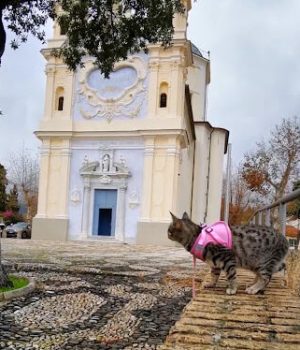
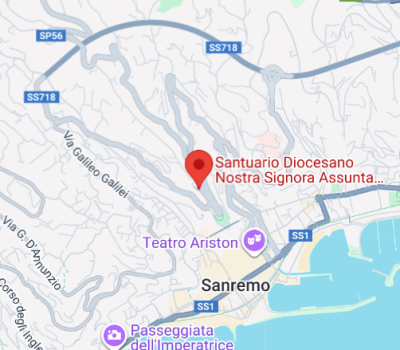
High above the coastline, Gigia established her preferred observation point at Santuario Diocesano Nostra Signora Assunta (Madonna della Costa). This hilltop sanctuary, built in 1630 at 100m elevation, offers panoramic views over Sanremo and the harbor below. From here, Sanremo unfolded: terracotta rooftops cascading toward the sea, palm-lined promenades, and the quiet rhythm beneath the city’s glamour. It was, by all standards, an acceptable kingdom.
🏛️ Old Town, Old Stones, New Judgments
Descending into the historic center, she traced the narrow alleys of La Pigna — the medieval heart of Sanremo. Here, history is layered and textured, with narrow alleys, stone staircases, artisan shops, and street food (focaccia, farinata). But Gigia remained focused on a more practical concern: why so few cat-centric monuments? (A missed opportunity, clearly.)
🍕 Seaside Dining, Observed Carefully
No visit to Sanremo is complete without a proper lunch. At Napul’é Pizza, Cantina & Crudi di Mare (replace # with Google Maps link), the setting delivered expansive sea views, classic Italian flavors, and a relaxed coastal atmosphere. Gigia, positioned strategically, conducted a full inspection: menu (insufficient feline options), staff (attentive), seagulls (suspicious).
✨ Beyond the Glamour
Sanremo is also known for the historic Casino di Sanremo (opened Jan 14, 1905, Art Nouveau landmark), Art Nouveau villas and promenades (Villa Nobel, Villa Ormond), and a climate that supports its famed flower production — ranunculus, anemone, eucalyptus. Yet beneath the elegance lies a more subtle appeal: a city that balances movement and stillness.
🐱 Traveling with a Cat in Sanremo
Advantages:
- Scenic viewpoints and open spaces
- Mild climate year-round
- Walkable historic areas (with care)
Considerations:
- Steep streets in older districts
- Busier atmosphere during events and summer
- Presence of birds (high distraction factor)
For those seeking a pet-friendly stay, the Royal Hotel Sanremo (5-star) offers pet-friendly services including dog walking, pet butler, and veterinary services.
For accommodation planning, see where to stay in Italy with a cat.
For broader strategy, explore traveling Italy with a cat.
🌟 A Riviera Icon, Reframed
Sanremo is often defined by glamour, music, and history. But through a different lens, it becomes a place of vantage points, quiet observations between crowds, and small moments that outshine the spectacle.
For more Liguria travel guide and things to do in Sanremo, explore our regional page.
📚 More Resources for Your Cat-Friendly Italy Trip
Valloria (IM)
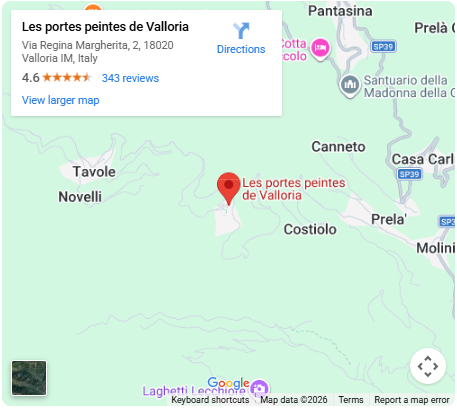
🚪 Valloria: Liguria’s Hidden Village of Painted Doors
Hidden in the hills above the Ligurian coast, Valloria is one of the region’s most unusual and creative destinations. Part of Italy’s most beautiful villages network, this tiny hamlet (34-50 permanent residents, 437m elevation) has been transformed into an open-air gallery, where local and international artists have decorated doors, walls, and alleyways with vibrant murals.
🎨 An Open-Air Gallery Without Boundaries
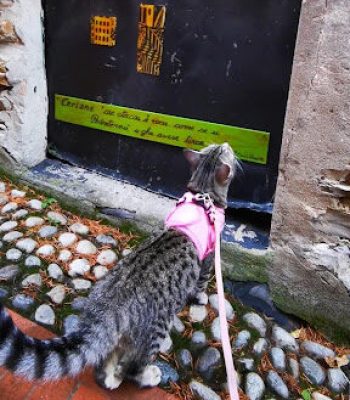
In Valloria, art is not confined to museums. It lives on wooden doors, stone walls, and hidden corners of narrow carruggi (Ligurian alleys). The project began in 1994, and today over 150-170 doors have been painted by artists from Italy, Poland, Spain, Japan, and China. Subjects include women, landscapes, daily scenes, dancers, fishermen, poets, musicians, the olive harvest, cats, and masks. Each turn reveals something unexpected—turning even the smallest walk into a visual exploration.
For more details on the painted doors collection, new doors are added each summer during the village festival.
🐱 A Feline Art Critic at Work
For Gigia, this required a full inspection. Moving slowly through the village, she approached each painted surface with focused attention: pausing at bold colors, tracking patterns with her gaze, and silently judging artistic decisions. Whether evaluating technique or simply enjoying the textures, she treated Valloria not as a village—but as a curated exhibition.
🏛️ Landmarks & Hidden Treasures
The Chiesa di San Giovanni Battista features a Romanesque bell tower overlooking the valley, with panoramic views of Ligurian mountains and sea (Corsica visible in clear weather). The Museo delle Cose Dimenticate (Museum of Forgotten Things), located in the 16th-century Oratory of Santa Croce, features agricultural tools, olive oil production equipment, plows, oil lamps, coffee roasters, and wheat grinders — free entry.
Three fountains in Piazza Mario Bottino mark the historical water supply from an 18th-century aqueduct. The name Valloria derives from “Vallis Aurea” (Golden Valley), reflecting its long history of olive oil production.
🌿 Lavender, Seasonality, and Quiet Beauty
Valloria is also known for its surrounding lavender fields, which bloom in summer (peak late July to early August) and add a distinct sensory layer to the experience. The largest lavender fields in Liguria lie between Sanremo and Imperia.
A winter visit, however, reveals a different atmosphere: quieter streets, softer light, and a more contemplative pace. Without the crowds or seasonal color, the village becomes even more intimate.
🛍️ Local Crafts and Ligurian Traditions
No visit is complete without exploring Valloria’s small-scale local production. Typical finds include lavender-based products (sachets, oils), regional olive oil, and handmade artisan goods. These elements reflect the deeper identity of inland Liguria—where craftsmanship and landscape remain closely connected.
🎉 Festival & Practical Information
The A Valloria fai baldoria festival takes place the first weekend of July and August, featuring music, homemade Ligurian specialties, regional wines, and artists painting new doors.
Directions to Valloria: Exit Imperia Ovest from A10, follow towards Dolcedo and Prelà. Parking is available at the village entrance.
✅ Why Valloria Works (Especially for Slower Travel)
Unlike coastal hotspots, Valloria offers minimal traffic, low noise levels, and a compact, walkable layout. It’s ideal for travelers seeking quiet exploration, visual discovery, and a break from busier Riviera towns.
🐱 Traveling with a Cat in Valloria
Advantages:
- Calm, low-density environment
- Limited vehicle movement
- Enclosed village structure
Considerations:
- Uneven stone paths
- Exposure in colder months
- Limited services (plan ahead)
For accommodation planning, see where to stay in Italy with a cat.
For broader travel strategy, explore traveling Italy with a cat.
🌟 A Different Kind of Liguria
Valloria doesn’t compete with the sea. It offers something else entirely: stillness, creativity, and unexpected beauty in small details.
For more Liguria hidden villages and things to do in Liguria beyond the coast, explore our regional page.