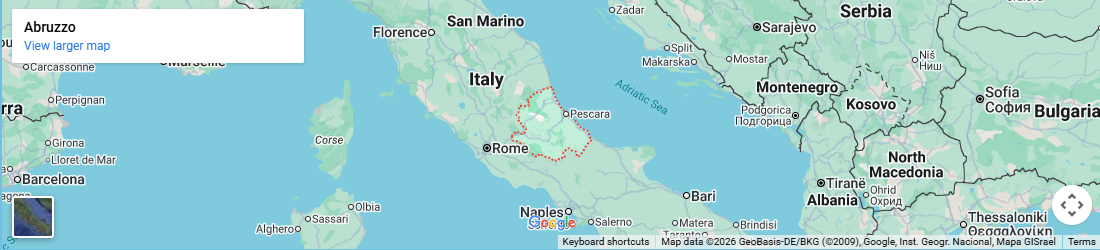
This province is a journey through time, from ancient Italic civilizations to iconic coastal traditions. Inland, you’ll find stunning hilltop villages and the dramatic castles. The provincial capital, also called Teramo, charms visitors with its blend of ancient Roman history and relaxed, small-town atmosphere.

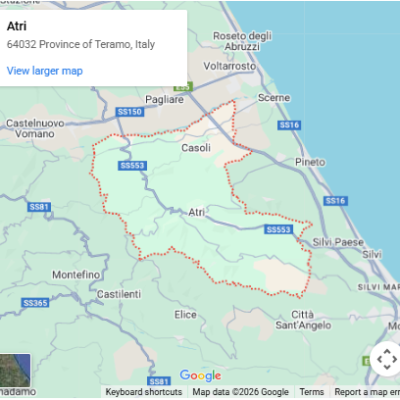
Atri (TE)

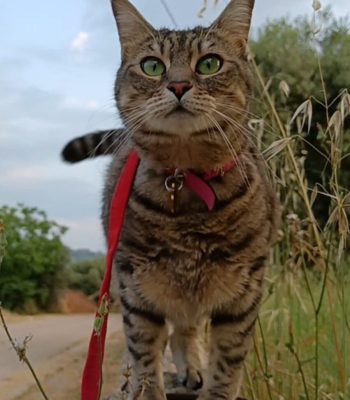
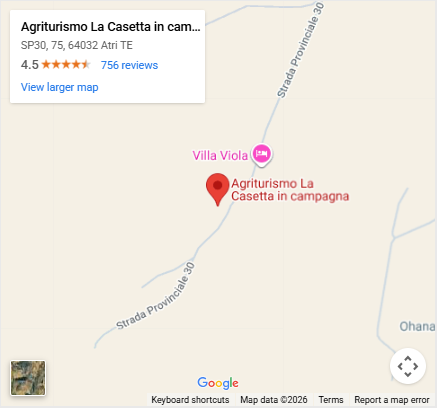
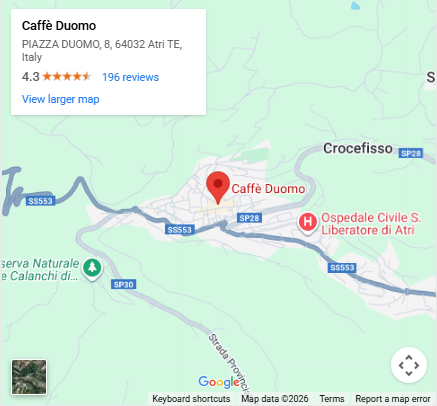
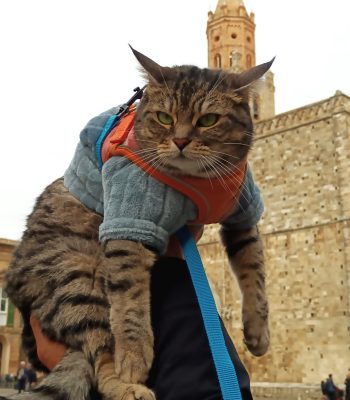
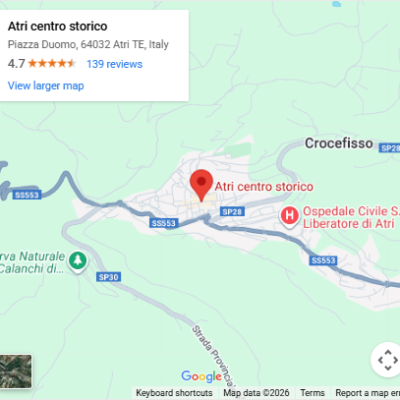
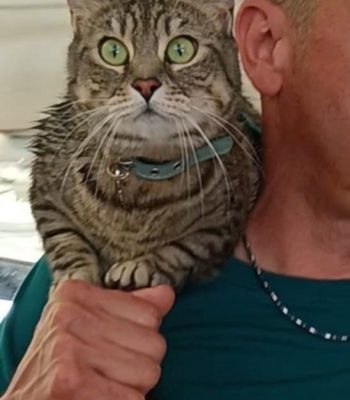
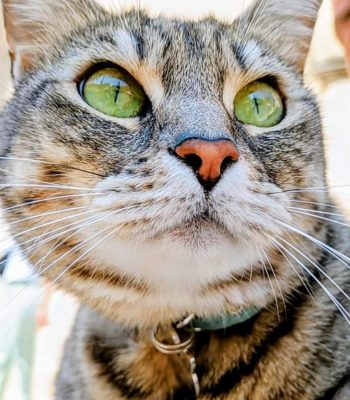
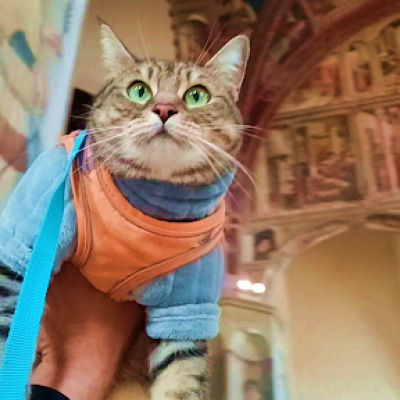
The ancient Picenes who first settled this hilltop clearly had one purpose: to create the perfect stage for a certain feline’s grand entrance. As Gigia glided into Piazza Duomo, even the 13th-century cathedral’s famed frescoes seemed to hush – those medieval saints suddenly looking rather plain next to her emerald-eyed magnificence.

Tourists clutching guidebooks to Atri’s Echoing Grottoes found themselves abruptly changing itineraries, smartphones pivoting from geological wonders to document something far more miraculous: a cat who sat with the serene poise of a sphinx, her green gaze reducing centuries of human achievement to mere set dressing. Local grandmothers suspended their decades-long gossip sessions to murmur “Madonna, che principessa!” as she permitted exactly three chin scritches before moving regally onward.

The real miracle? How Atri’s 2,500 years of civilization – from Roman theaters to Renaissance palazzos – instantly became supplementary material to Gigia’s “Living Art Installation: Cat As Cosmic Ruler”. Even the town’s legendary medieval aqueduct system couldn’t compete with the liquid grace of her tail flick.
(Historical footnote: The town council is reportedly considering replacing their Latin motto with “Gigia Venit, Vidit, Vicit”)

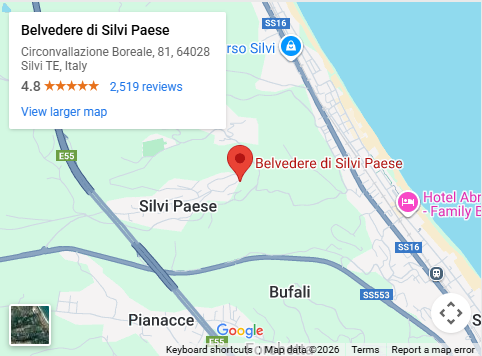
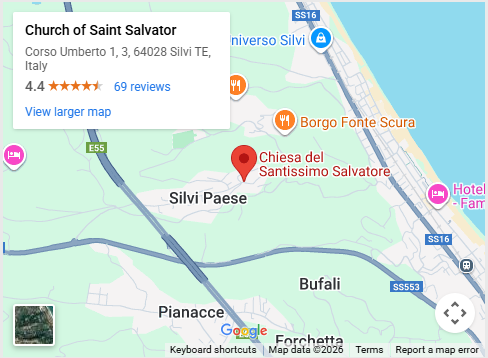
Silvi Alta (TE)

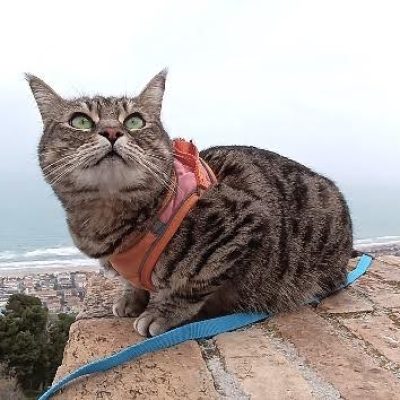
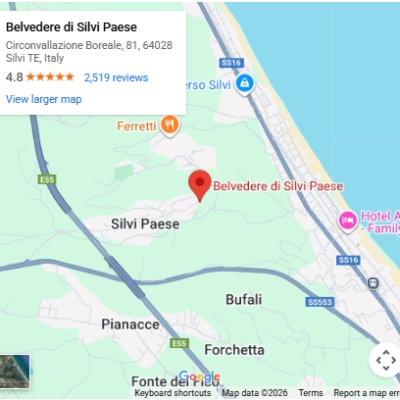
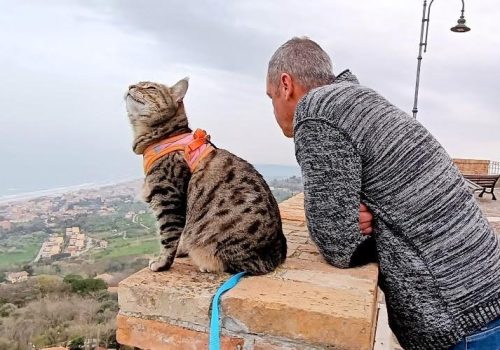
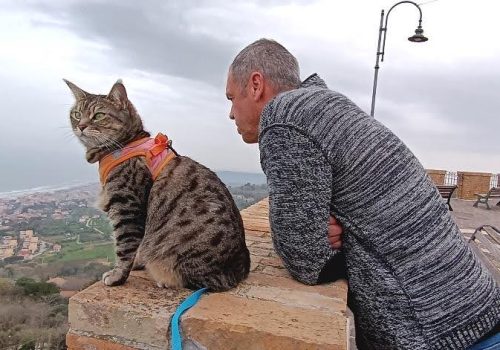
Let’s be real: those 15th-century walls weren’t built for defence—they were clearly an early prototype for Gigia’s purrsonal photoshoot location. Every sun-warmed stone, every archway, every precarious drop with a “Wow, that would be a dramatic fall” view exists solely to showcase her natural talent for looking fabulous while giving her human a heart attack.

There she was—tail arched like a question mark (“Do I look stunning? Rhetorical.”), fur rippling in the breeze like a luxury shampoo commercial, striking poses so dramatic they should’ve come with their own Oscar nomination. Meanwhile, her so-called “photographer” (read: overpaid treat dispenser) clung to the ancient parapets like a scared koala, mentally drafting the “How My Cat Became a Seagull’s Lunch” apology text to the vet. Below, the Adriatic did its best “blue carpet” impression, sparkling on cue like a well-trained stagehand. And the local street cats? They knew better than to interrupt this masterpiece—sulking in alleyways, whispering “She’s good…” between jealous licks of their paws.

By the time Gigia finished her “Golden Hour Glamour” session, even the Torre di Cerrano looked like a mere prop in her cinematic universe.

(Historical footnote: No architects were consulted in the making of this cat’s ego. It is a self-supporting monument.)

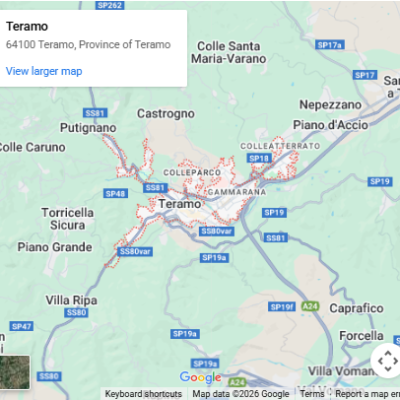
Teramo (TE)

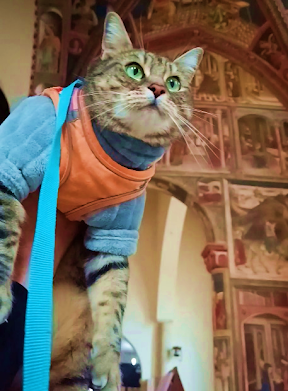
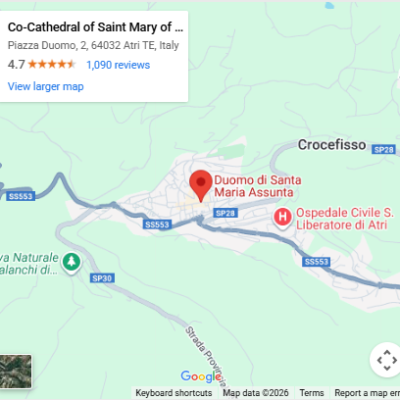
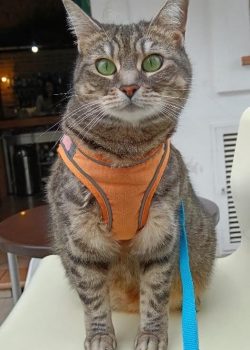
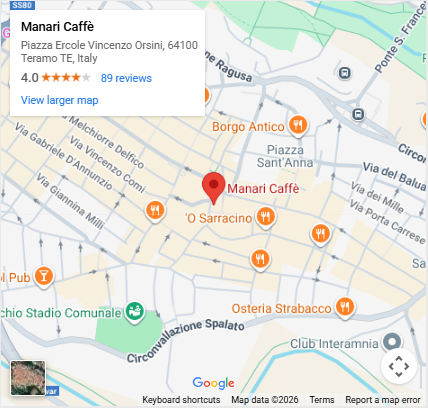
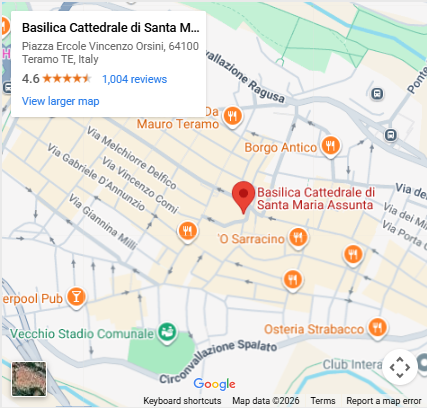
The August sun had turned Teramo into a giant frying pan, with the cobblestones sizzling like they’d been personally offended by summer. The only logical refuge? The Cattedrale di Santa Maria Assunta, where the medieval architects—bless their pre-air-conditioning genius—had somehow bottled centuries of coolness into pink marble walls. The cathedral’s “no pets” policy was, of course, merely a suggestion to Gigia, who draped herself over her human’s shoulders like a very pious, very judgmental scarf and waltzed in with the serene confidence of a bishop who also happens to lick his own fur.

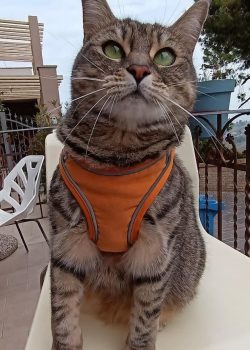
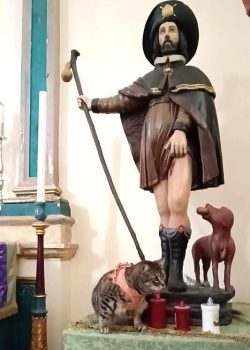
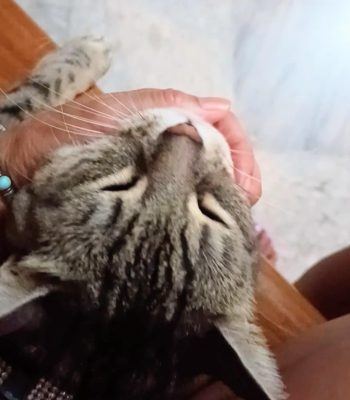
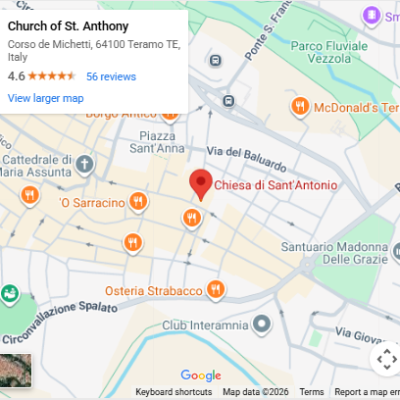
After a rigorous morning of not buying vegetables at the market (because why would she?), Gigia demanded immediate climate-controlled sanctuary. Chiesa Sant’Antonio answered the call, offering a divine combo package: spiritual solace and a primo pew with optimal chin-scratching airflow. Here, she achieved peak sainthood—chin skyward, whiskers quivering in ecstasy, radiating the kind of holy tranquility usually reserved for monks who’ve had just the right amount of wine.

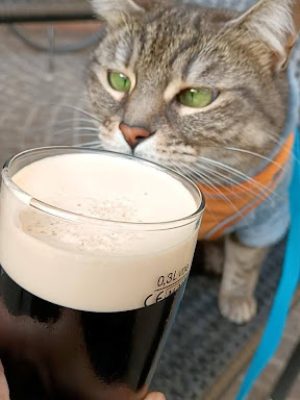
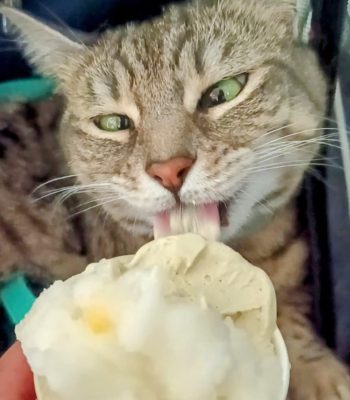
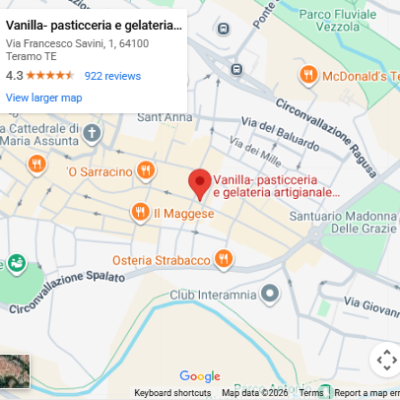
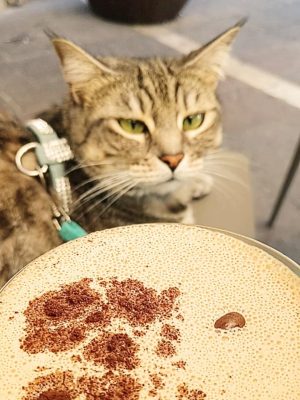
But the real miracle occurred post-prayers, when a pistachio gelato appeared like manna from heaven. What followed was a sacred spectacle: our once-dignified churchgoer transformed into a paws-on, face-first gelato zealot. The locals nodded knowingly—this wasn’t gluttony, but devotion.

Teramo’s moral? Holiness comes in many forms: The architectural kind (12th-century air conditioning). The feline kind (cats who follow rules… selectively). The edible kind (gelato as a spiritual experience). And if anyone questions why a cat deserves gelato after church, just blink slowly at them. It’s what Gigia would do. From “Holy Cat: A Feline’s Guide to Beating the Heat (And Getting Gelato)”