
Venice City Eat & Drink: Bacari, Cicchetti & Gigia’s Favourite Venetian Bars
“The best way to understand Venice isn’t from a gondola. It’s standing at a crowded bacaro with a glass of local wine and a freshly made cicchetto.”
β Jasmine
Few cities express their identity through food and drink quite like Venice.
Beyond the gondolas, grand palaces, and crowded piazzas lies another Venice β one best experienced standing at a marble counter with a small glass of local wine in one hand and a freshly prepared cicchetto in the other.
This is the world of the bacari.
Small neighbourhood wine bars that have shaped Venetian social life for centuries.
For locals, the ritual remains wonderfully uncomplicated.
One drink. One bite. A short conversation. Then on to the next bacaro.
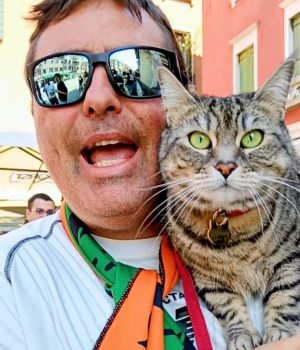
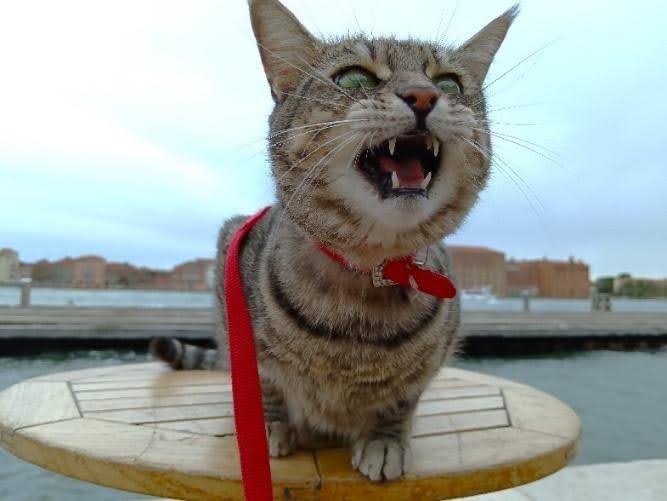
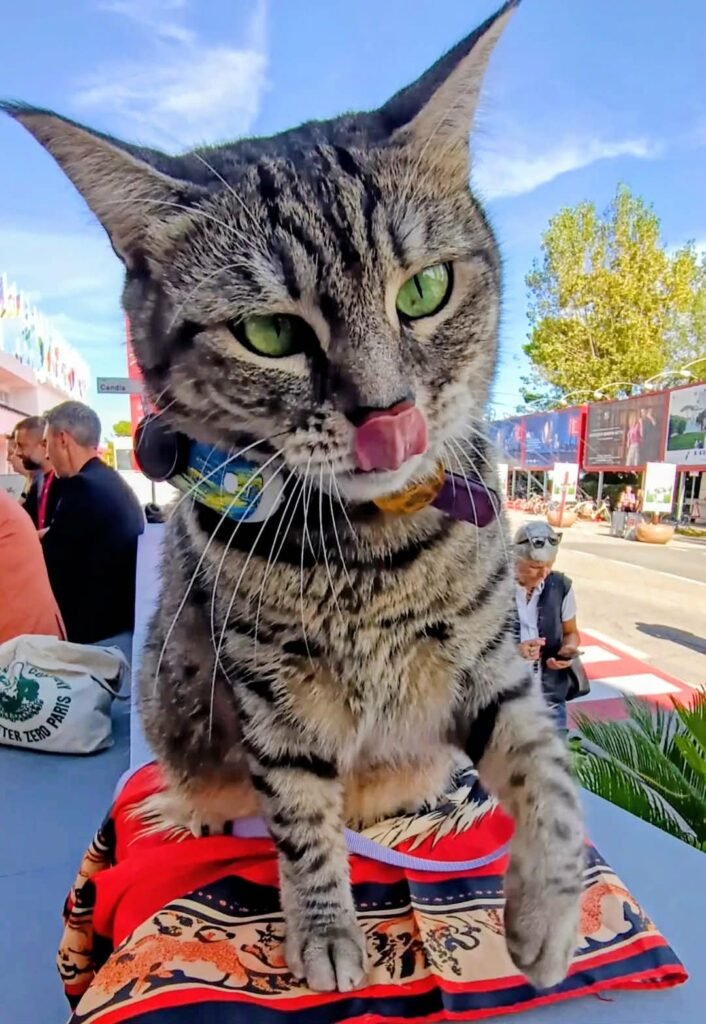
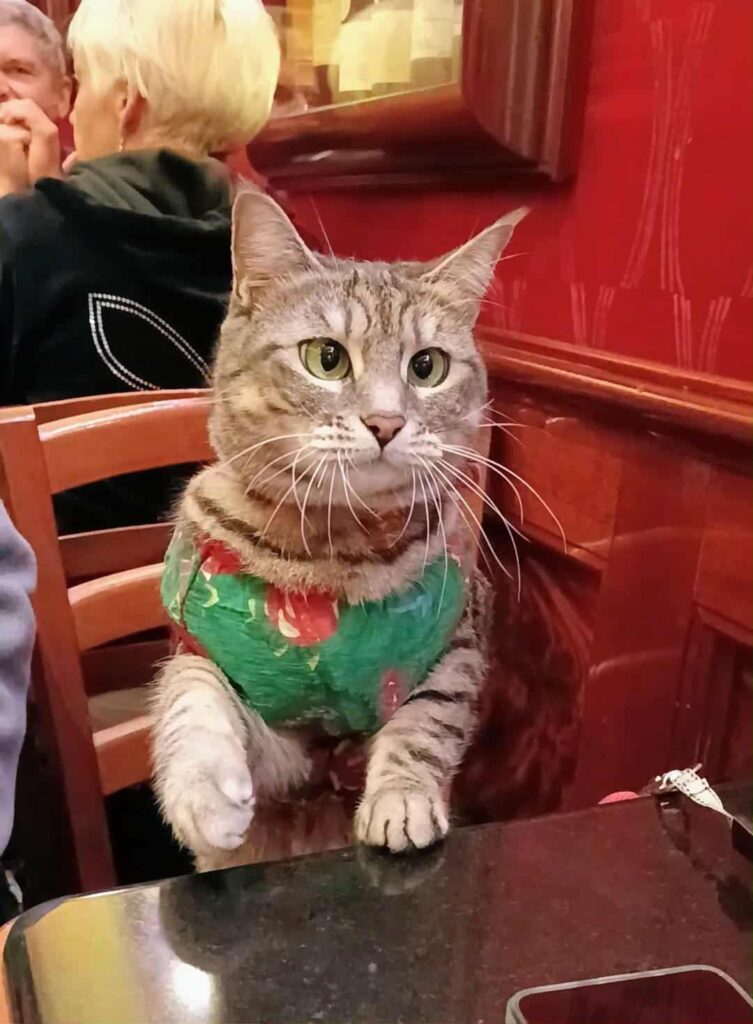
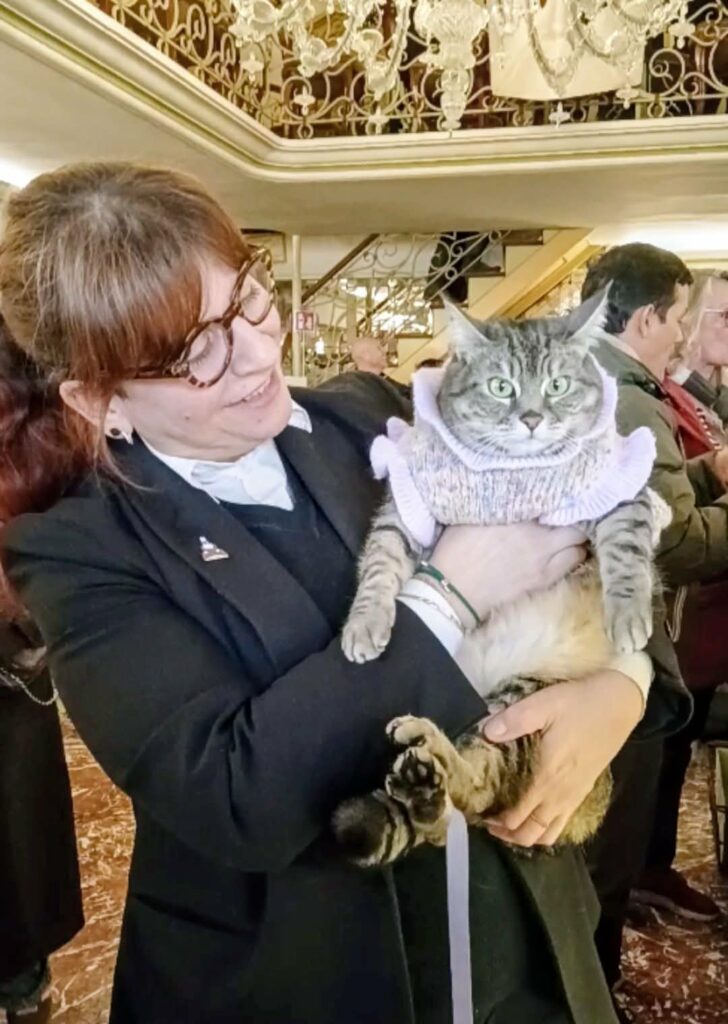
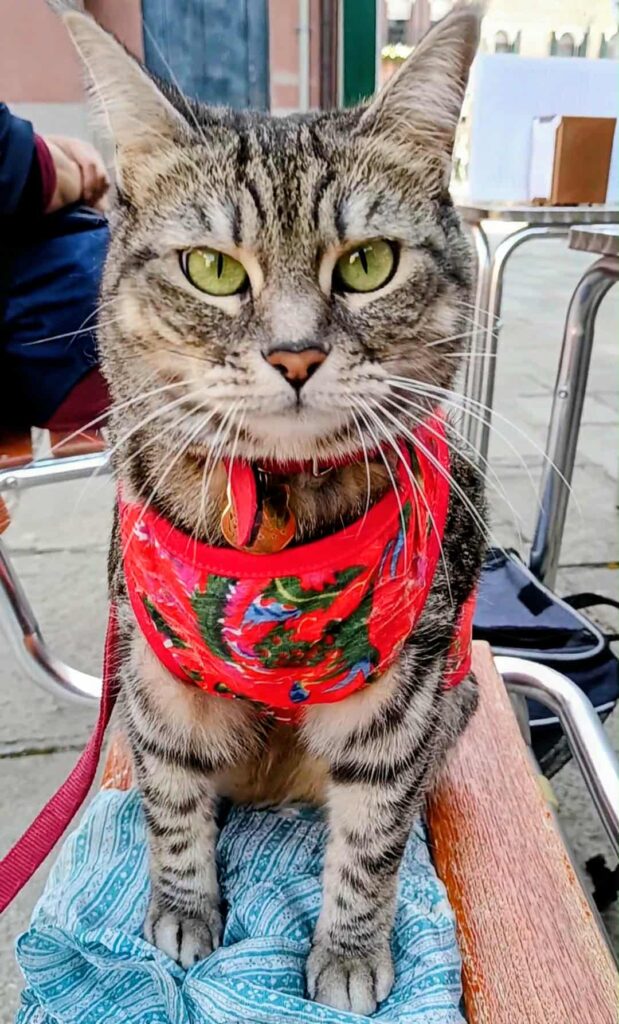
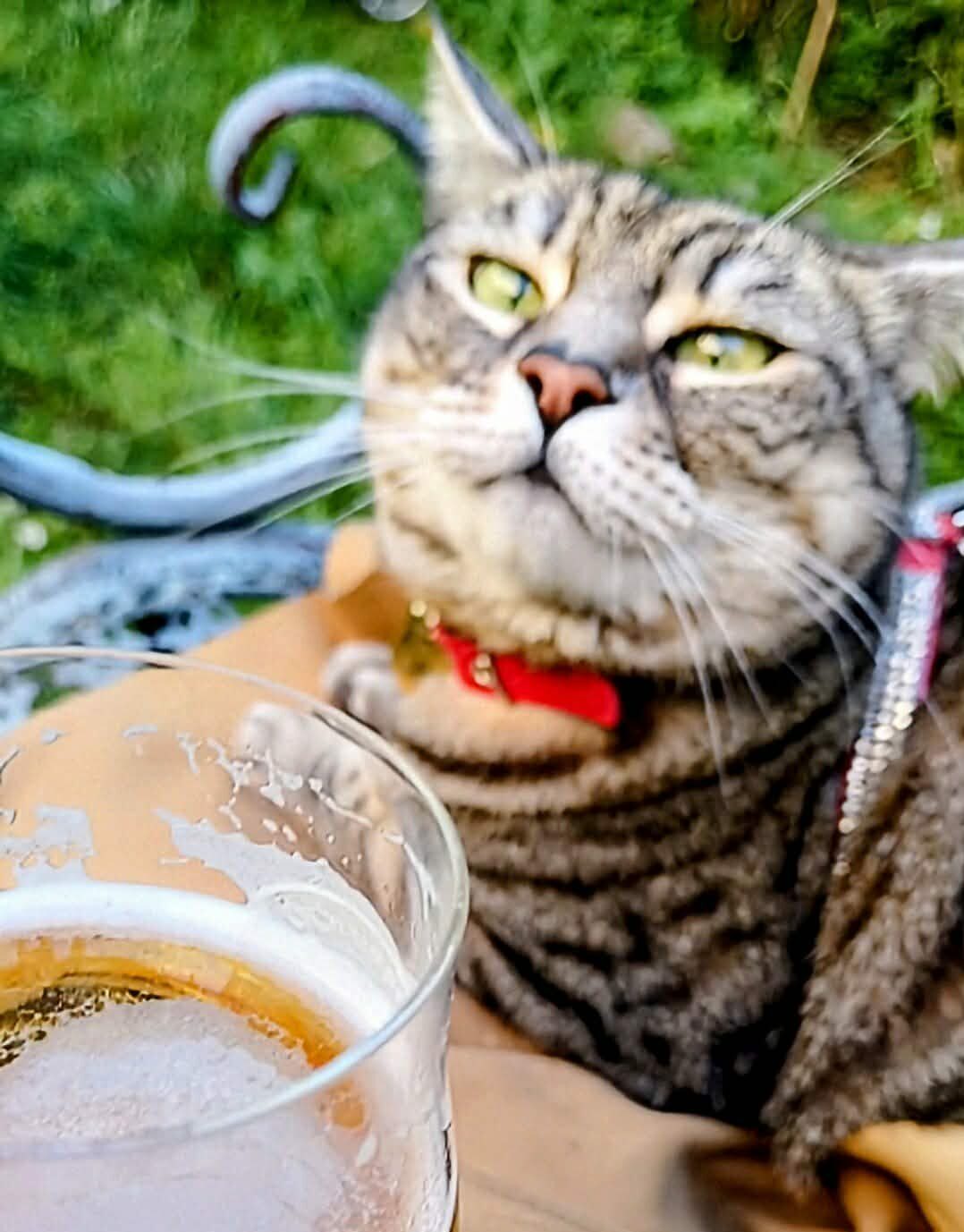
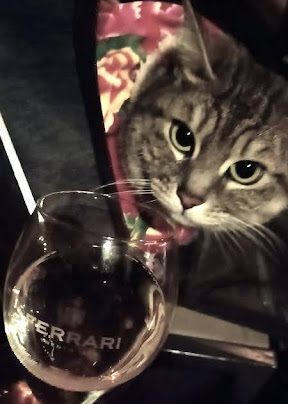
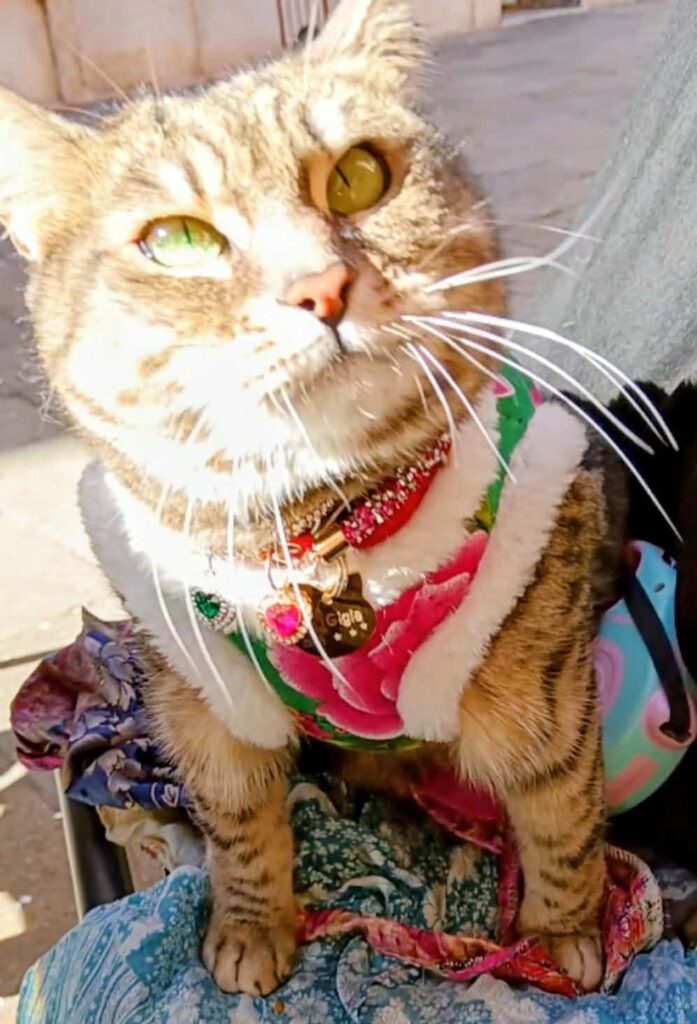
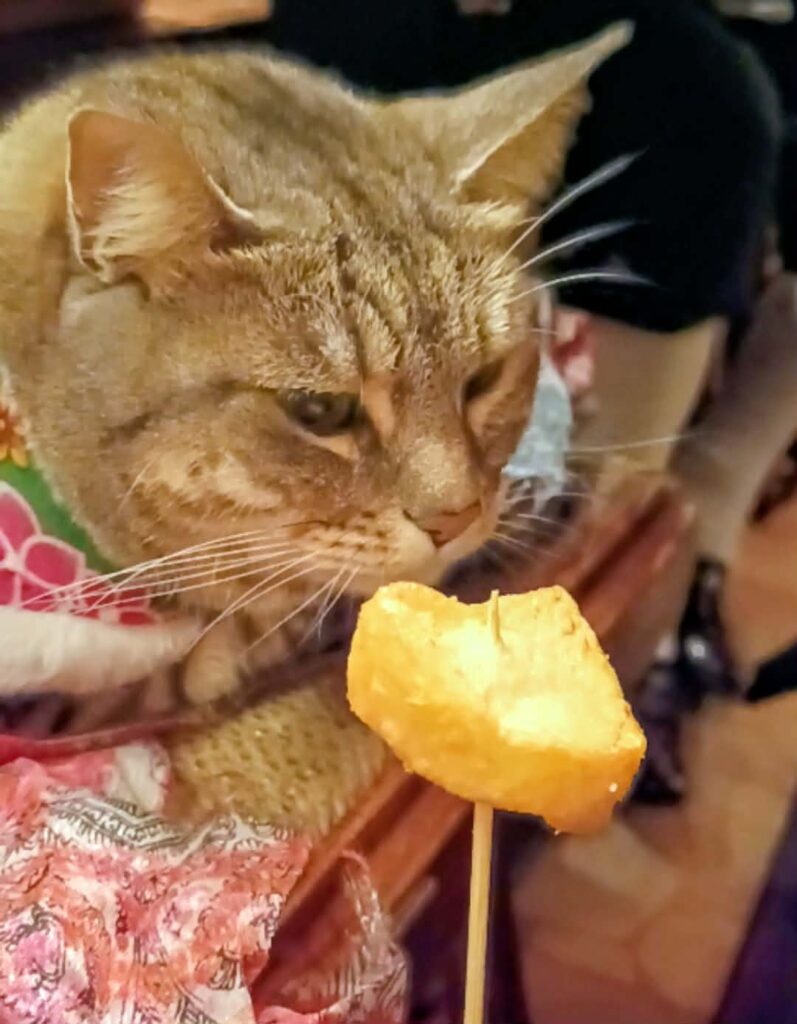
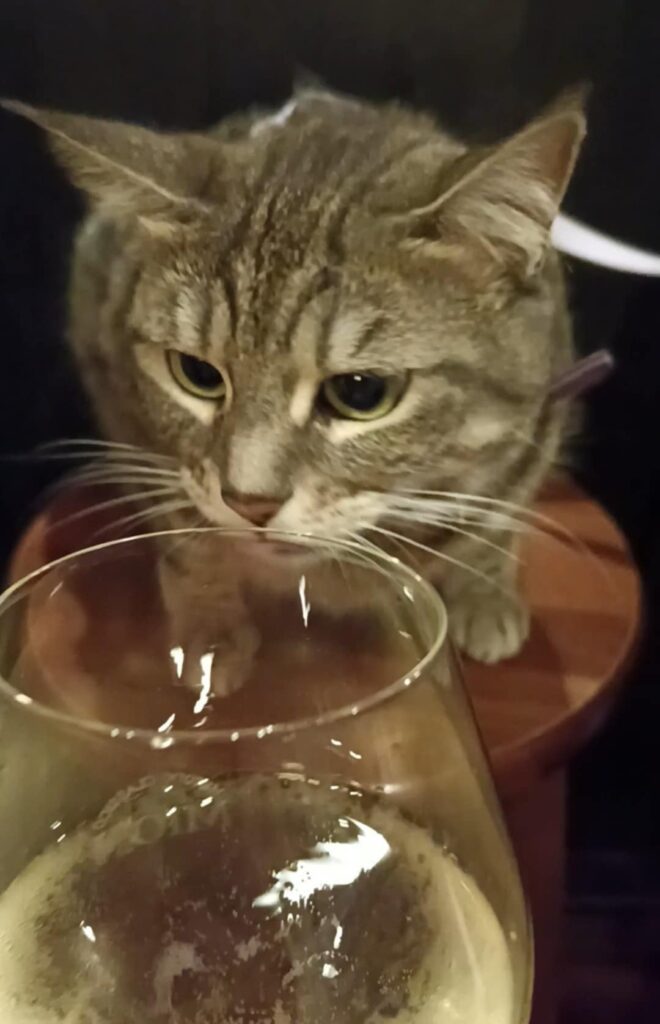
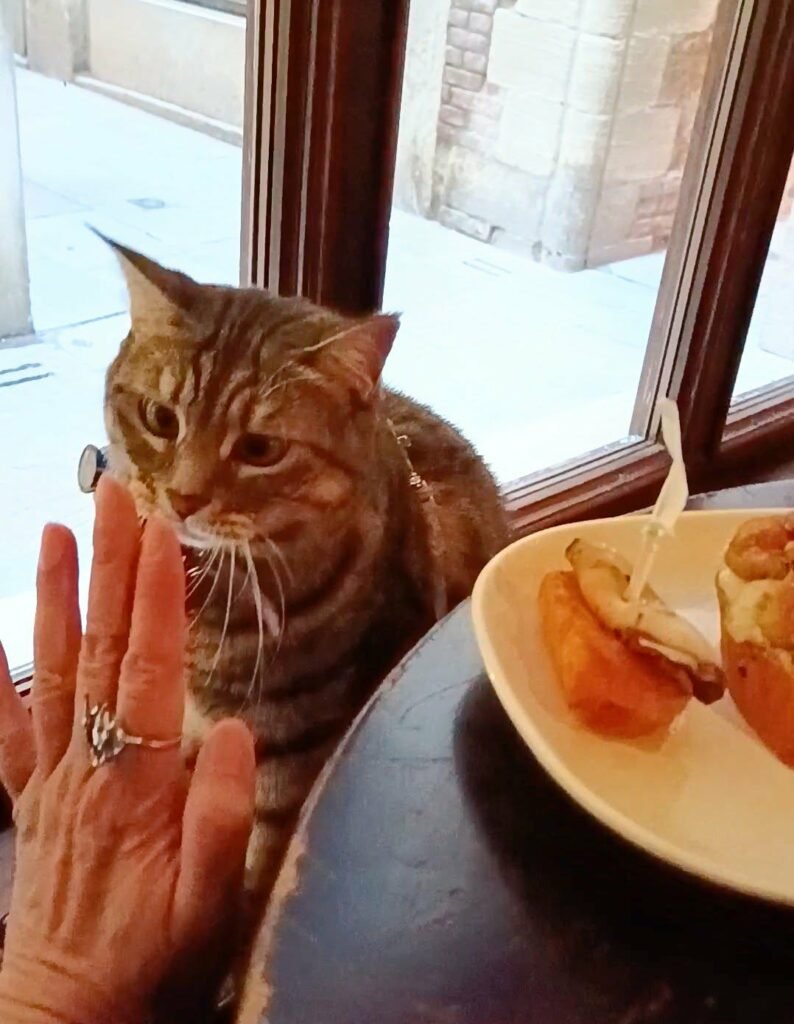
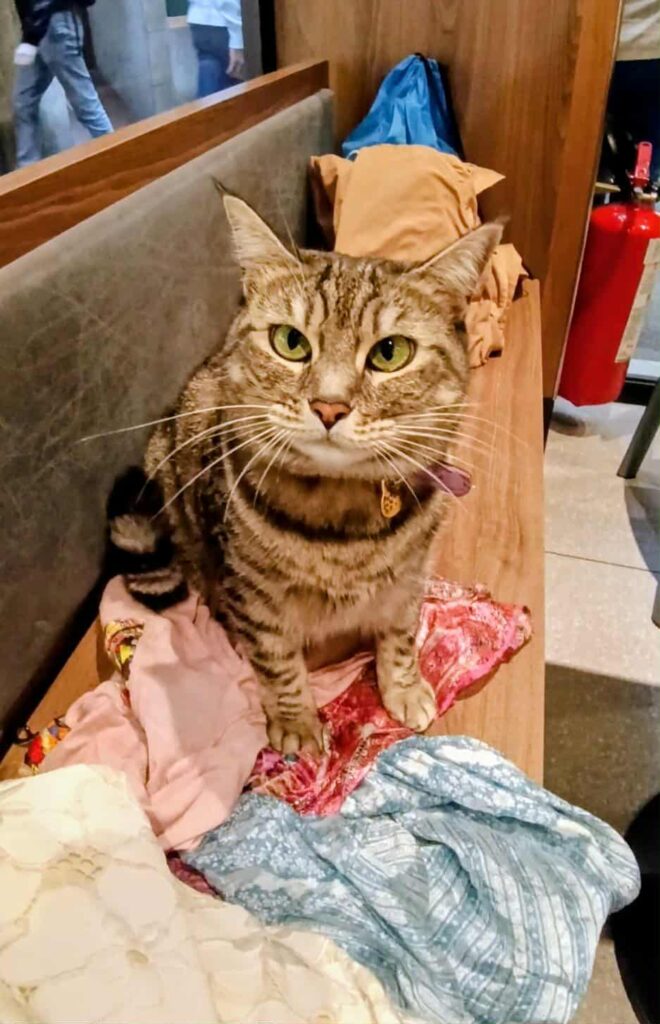
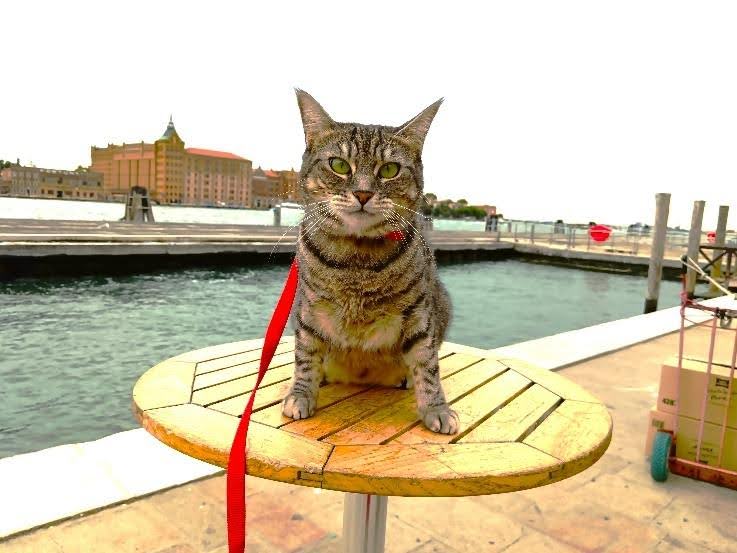
For Gigia, naturally, it became one of the city’s most important cultural investigations.
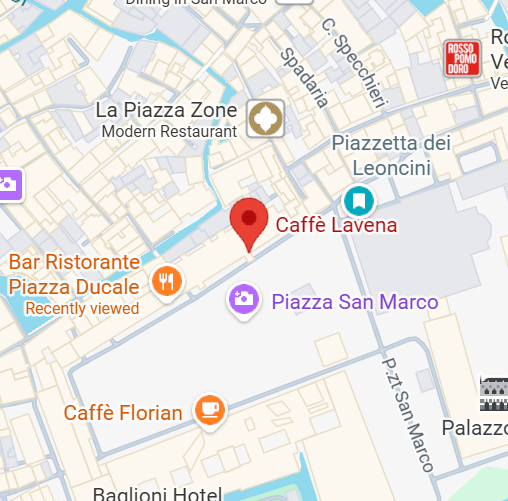
Unlike a traditional restaurant experience, visiting Venice’s bacari is about movement rather than permanence. The ritual is simple. Stop for an ombra (a small glass of wine). Choose one or two cicchetti. Stand at the counter. Talk. Continue walking. Repeat. Known informally as the bacari crawl, this remains one of the most authentic ways to experience Venice beyond its major tourist attractions. Gigia quickly embraced the concept. Although she questioned why the humans insisted on walking between snacks.
π₯ What Exactly Is a Bacaro?
A bacaro is Venice’s traditional wine bar.
- Small.
- Informal.
- Neighbourhood-focused.
- Often family-run.
Many have served the same communities for generations, long before Venice became one of the world’s busiest tourist destinations.
Inside you’ll typically find:
- freshly prepared cicchetti
- local Venetian wines
- Prosecco
- spritz
- seafood specialities
- regional cheeses
- cured meats
Unlike formal restaurants, bacari encourage visitors to remain part of the city’s daily rhythm rather than stepping outside it.
π€ The Art of Cicchetti
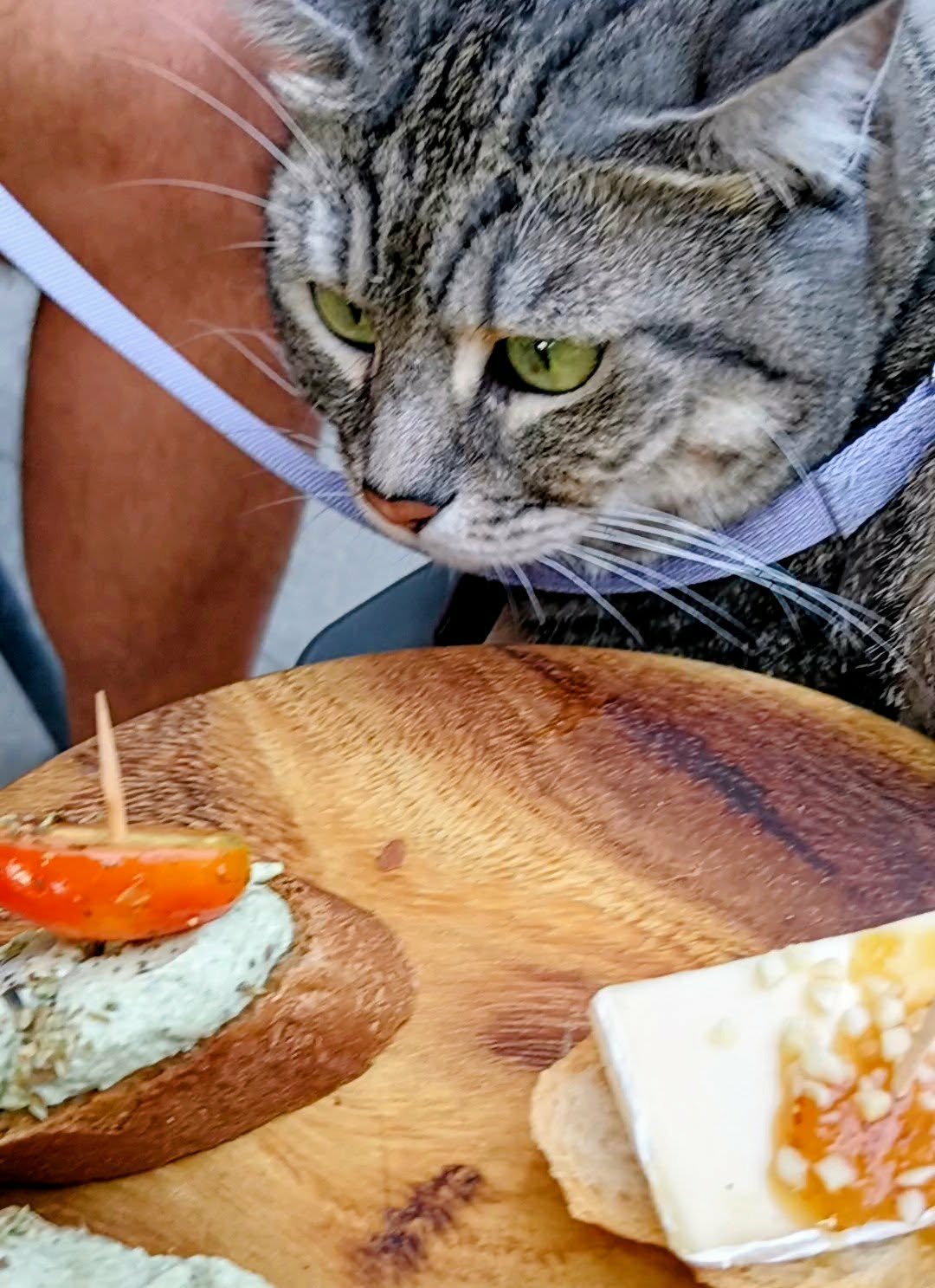
Cicchetti are Venice’s answer to tapas.
Small seasonal bites designed to accompany wine rather than replace a meal.
Menus change constantly according to the market.
Typical examples include:
- BaccalΓ mantecato
- marinated sardines (sarde in saor)
- anchovy crostini
- seafood polpette
- fried vegetables
- miniature panini
- seasonal lagoon seafood
Every bacaro develops its own specialties. Part of the pleasure comes from discovering the differences.
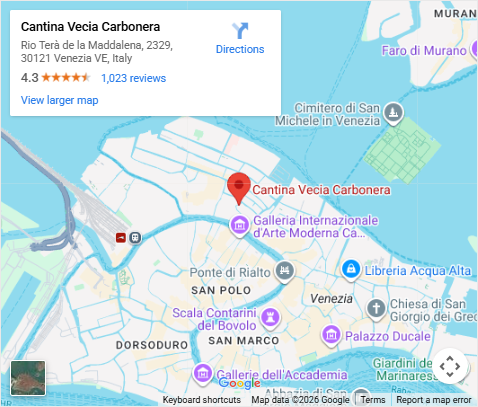
π Historic Bacari Worth Visiting
Some establishments have become institutions within Venetian food culture.
All’Arco
Near the Rialto Market, renowned for beautifully prepared seasonal seafood cicchetti.
Cantina Do Mori
Often considered Venice’s oldest bacaro, famous for its tiny francobolli sandwiches and centuries of uninterrupted history.
Cantina Do Spade
Dating back to the fifteenth century, offering traditional Venetian atmosphere with remarkably little pretence.
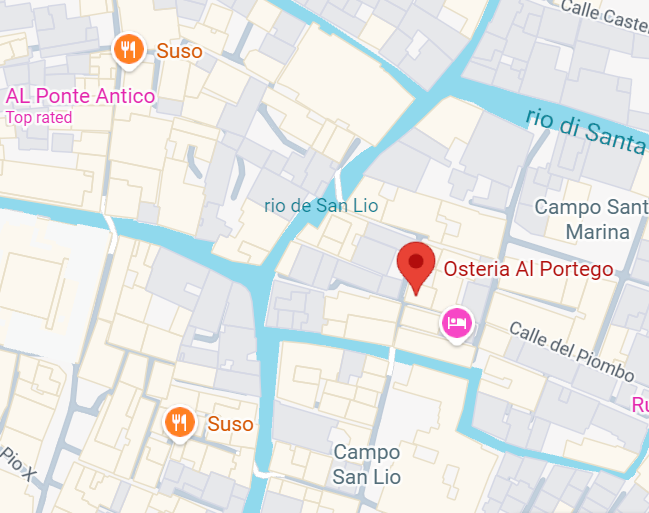
Osteria Al Portego
One of the city’s liveliest evening stops, popular with locals, students and gondoliers alike.
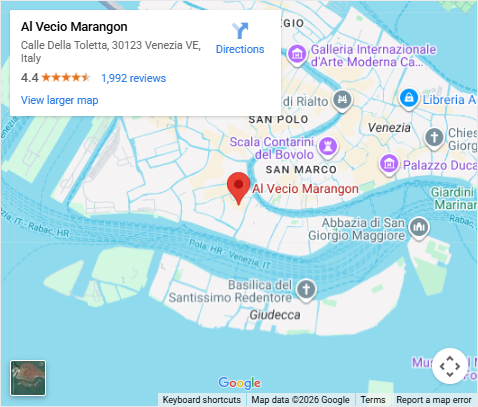
Bar Alla Toletta
A favourite in Dorsoduro, known for generous crostini and relaxed neighbourhood atmosphere.
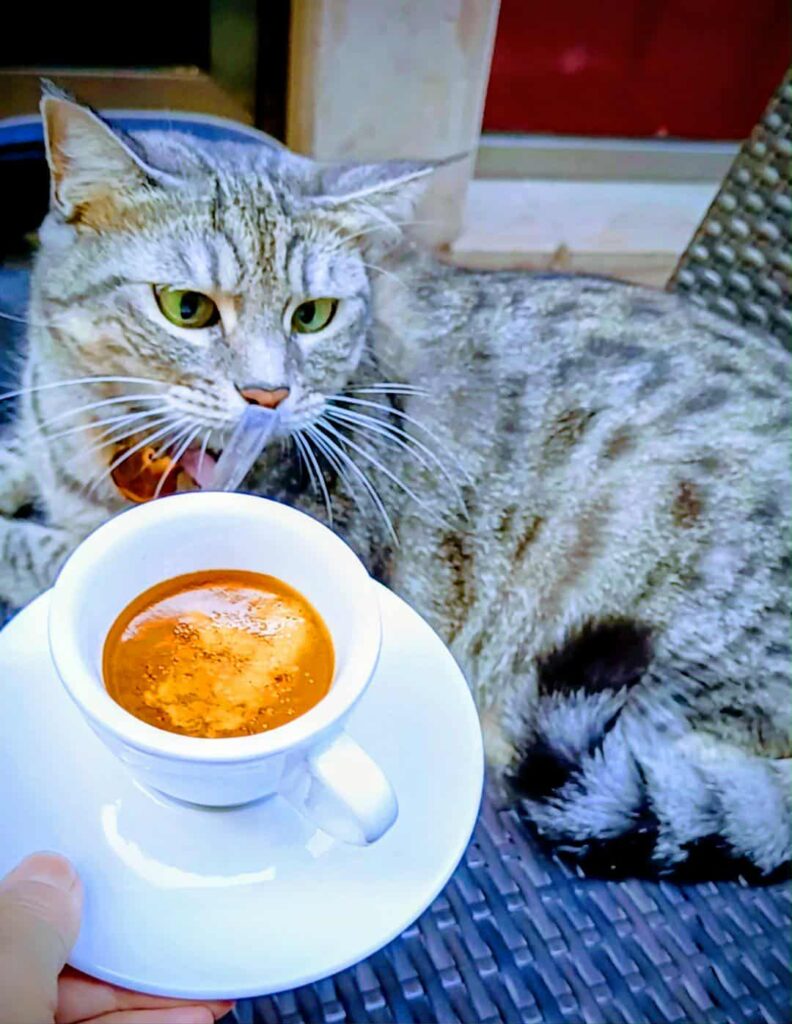
πΎ Gigia’s Bacaro Inspections
Gigia developed her own highly scientific evaluation system.
She assessed each establishment according to:
- cushion quality
- seafood probability
- waiter friendliness
- nap potential
- strategic people-watching opportunities
Her conclusions remained reassuringly consistent.
π The Curious Story of Fragolino
Few drinks provoke as much curiosity as Fragolino.
The lightly sparkling strawberry-scented wine occupies a fascinating place within Veneto’s cultural memory.
Although European regulations largely ended commercial production using the original American grape varieties, Fragolino continues to survive through reinterpretations and local tradition.
Ordering a glass today often feels less about the drink itself than participating in a small piece of Venetian history.
π The Best Time to Visit a Bacaro
Timing matters.
The most rewarding experience usually happens when Venice slows into its evening rhythm.
Late afternoon and early evening remain ideal.
- Workers finish for the day.
- Locals gather before dinner.
- Conversation fills the bars.
- The atmosphere becomes noticeably more Venetian than tourist.
Rather than trying to visit every famous bacaro, choose a neighbourhood and allow the evening to unfold naturally.
- Cannaregio.
- San Polo.
- Castello.
- Dorsoduro.
Each offers its own personality.
π· Beyond the Tourist Menus
Venice’s greatest culinary experiences rarely happen beside the Grand Canal.
They happen inside tiny bars where handwritten menus change daily. Where bartenders greet regular customers by name. Where conversations matter more than photographs. Where recipes have survived because people still genuinely enjoy eating them.
The bacari remind visitors that Venice remains a living cityβnot simply an extraordinary open-air museum.
Scroll down to discover Gigia’s personally vetted bacari, cicchetti spots and wine bars across Venice.
Continue Exploring Venice
Continue your Venetian journey with:
Venice City Guide
History, Carnevale and everyday Venetian life beyond the postcards.
Explore βVenice Province Guide
Beaches, lagoon towns and hidden Veneto beyond the famous canals.
Explore βπ Planning Your Venice Adventure?
Explore more from Gigia Travel Cat: